
6 Things No One Tells You That Secretly Annoy Private Chefs
Private chefs often operate in a world of high expectations and precision. With expertise that spans cuisines and techniques, they tailor each meal to the client’s needs and preferences. However, behind the elegance of their craft, certain aspects can pose unexpected challenges. Understanding these nuances helps in appreciating the complexity of their role and the quiet finesse required to navigate it.
Last-Minute Menu Switch Ups

Changes to the menu at the eleventh hour can unsettle the best-laid culinary plans. Private chefs meticulously design menus balancing flavors and ingredients, sometimes sourcing rare components in advance. A sudden switch disrupts this harmony, demanding creativity and composure. Efficient solution-finding skills and a flexible mindset become essential, allowing chefs to adapt swiftly without compromising on the quality and presentation of the dish.
Kitchens Aren’t Social Zones

The kitchen is often mistaken for a casual gathering spot, but for a private chef, it is a workspace demanding focus and discipline. Interruptions from well-meaning guests can disrupt the meticulous flow of meal preparation. Precision timing is crucial as temperatures and techniques align to achieve culinary perfection. Chefs value respectful boundaries, as maintaining focus ensures that each dish is executed to the highest standards and served with impeccable timing.
Fine Dining On a Budget? Not Quite
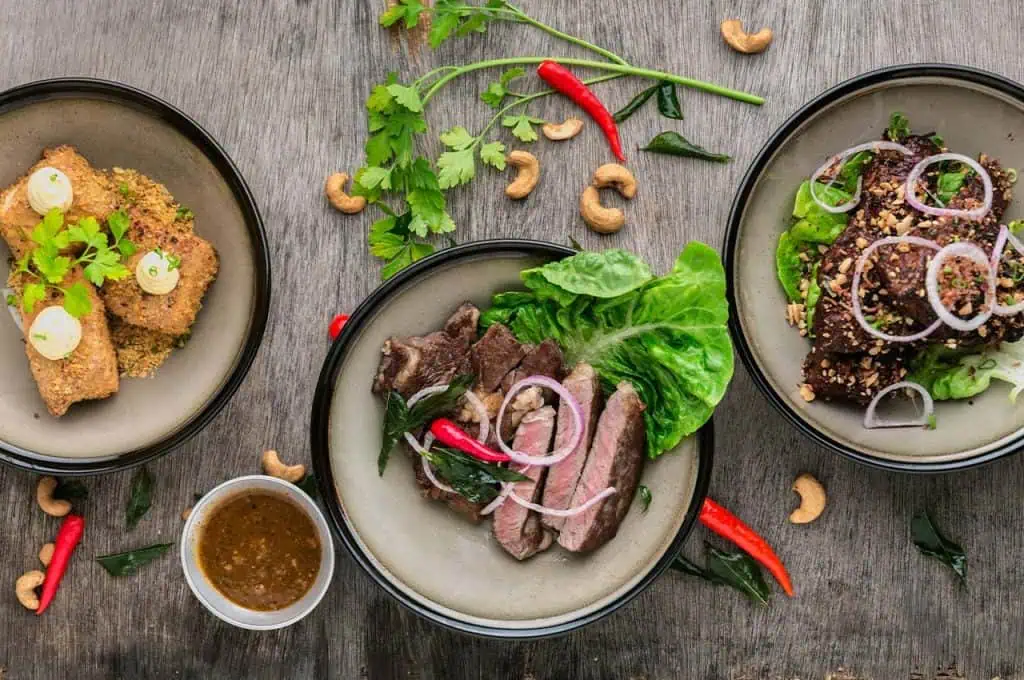
Creating a fine dining experience involves premium ingredients and complex methods, often perceived as easily scalable to any budget. However, the quality and authenticity of certain dishes hinge on specific, often expensive, components. When budget constraints arise, chefs must think creatively to deliver the essence of luxury using alternative ingredients and techniques without compromising taste or integrity. This balancing act requires both innovation and experience.
Dietary Surprises at the Table

Unexpected dietary requests can take a chef by surprise, particularly when disclosed just as the meal is set to begin. These instances demand quick thinking and adaptability to respect preferences and dietary restrictions. Mastery in substituting ingredients and adjusting techniques on the fly becomes crucial. Chefs must draw upon their extensive knowledge to seamlessly modify dishes, ensuring every guest enjoys a thoughtful and tailored dining experience.
Private Chefs Aren’t On-Call

Many believe private chefs are available at a moment’s notice, but this isn’t the case. Scheduling with precision is crucial, allowing chefs to source the freshest ingredients and ensure meticulous preparation. Respecting a chef’s planning window preserves the quality and timing of your meals. Recognizing that chefs meticulously plan menus to fit dietary preferences and seasonal produce ensures a delightful dining experience without last-minute stress.
Understanding Portion Perceptions

Portion size is often a subjective matter, misunderstood by many. Private chefs tailor meals to suit individual preferences and dietary needs but must balance taste, nutrition, and presentation. It’s vital to communicate your expectations clearly. Some prefer modest portions that favor quality and flavor, while others may expect more generous servings. Clear communication helps chefs match their culinary expertise with your preferences, ensuring satisfaction without waste.
