
Tracing Cinnamon’s Path from Ancient Spice to Modern Staple
Cinnamon, a revered spice with a storied past, has evolved into a staple in kitchens worldwide. Its complex flavor profile, characterized by its warm sweetness and subtle spiciness, makes it a versatile addition to both sweet and savory dishes. This ancient spice’s journey from exotic rarity to everyday ingredient showcases its historical significance and enduring appeal. Understanding cinnamon’s past not only enriches its culinary use but adds depth to each dish it graces.
Mystical Beginnings in Ancient Egypt

In ancient Egypt, cinnamon was highly prized, used not just for culinary purposes but also in embalming and religious rituals. The Egyptians valued its aromatic qualities and believed it had mystical properties, which add a layer of historical intrigue to its use. Its origin was kept secret by traders, lending an air of mystery around its procurement. Home cooks today can appreciate the significance of cinnamon by considering its initial uses beyond the pot, which highlight its rich historical tapestry.
Cinnamon: Silk Road Treasure

Cinnamon traveled along the Silk Road as a significant commodity, connecting the East and West through trade. Its value was so great that it became a symbol of luxury and a catalyst for exploration. The spice’s intricate layers of flavor were treasured by cultures eager to enhance their culinary practices. Modern cooks can explore this multifaceted spice by incorporating it into diverse cuisines, honoring its historical role as a connector of worlds. Each use pays homage to its journey along ancient trade routes.
Roman Era: Spice of Wealth

During the Roman Empire, cinnamon was seen as a status symbol, often used in lavish feasts and ceremonies. The Romans would lavishly sprinkle cinnamon in wines and perfumes, reflecting their wealth and sophistication. This era cemented cinnamon’s reputation as a marker of opulence. Today, understanding its luxurious past encourages a more mindful use of cinnamon, allowing its fragrant, warming characteristics to elevate everyday dishes into gourmet experiences that hint at indulgence.
Medieval Europe’s Cinnamon Craze

In Medieval Europe, cinnamon’s popularity soared, becoming a cornerstone in both sweet and savory dishes. Its ability to preserve meats by masking smells and adding flavor made it invaluable. This period saw cinnamon integrated into a variety of recipes, highlighting its versatility. For contemporary cooks, exploring medieval gingerbread or meat stews with cinnamon can bring a historical twist to modern meals, showcasing the spice’s adaptability and its journey from luxury to a beloved kitchen staple.
Colonial Rivalries for Control

Control over cinnamon was fiercely contested during the colonial era. Key players like the Portuguese, Dutch, and British vied for dominance over Ceylon (now Sri Lanka), the prime source of this coveted spice. Each nation sought not only economic gain but also prestige, eager to leverage cinnamon’s profitability as it graced royal tables across Europe. Understanding this historical context enriches a cook’s appreciation for cinnamon, highlighting its value beyond mere flavor enhancements.
Sri Lanka’s Golden Cinnamon
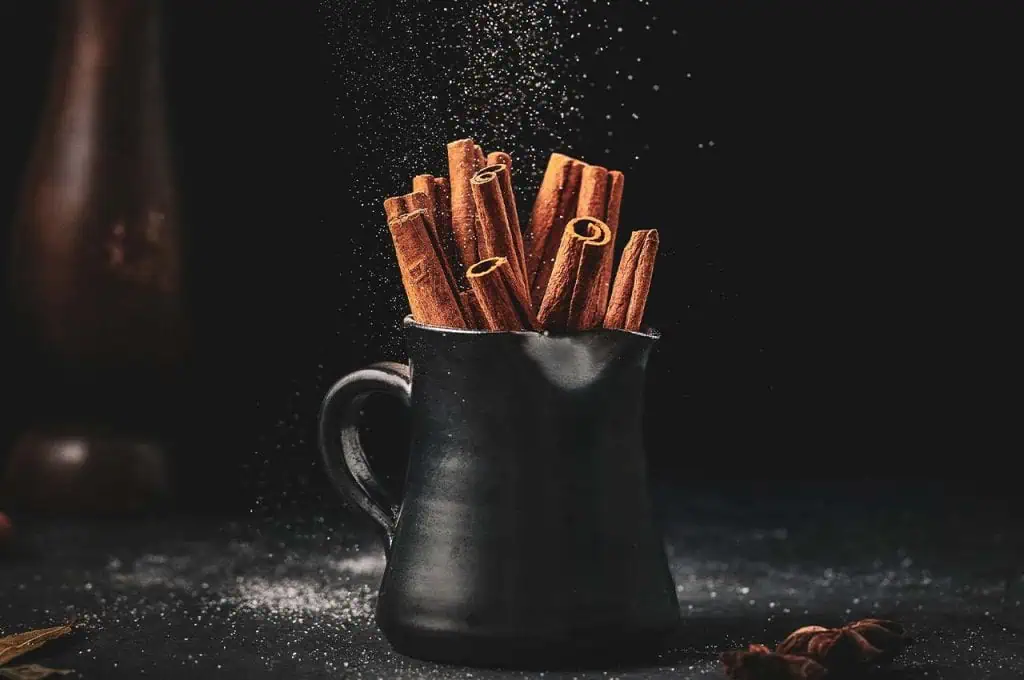
Sri Lanka is renowned for producing the most exquisite cinnamon, known as Ceylon or “true” cinnamon. Its delicate, sweet profile differentiates it from the coarser, spicier cassia commonly found in markets. Sourcing genuine Ceylon cinnamon elevates dishes with its nuanced complexity. A key tip for identifying it is the thin, papery texture of the quills, which curl inward like a cigar. Use it in applications where its subtlety can shine, such as in desserts and subtly spiced stews.
From Medicine to Culinary Delight

Cinnamon’s journey from medicinal use to culinary delight underscores its versatility. Ancient cultures praised it for its therapeutic properties, such as aiding digestion and fighting inflammation. This historical backdrop remains relevant in today’s kitchens, where cinnamon adds warmth and dimension to both sweet and savory dishes. Utilizing cinnamon in marinades for meats, or infusing it in teas, allows home cooks to tap into its ancient healing roots while enhancing modern culinary creations.
Baked Goods: Industrial Era Revolution
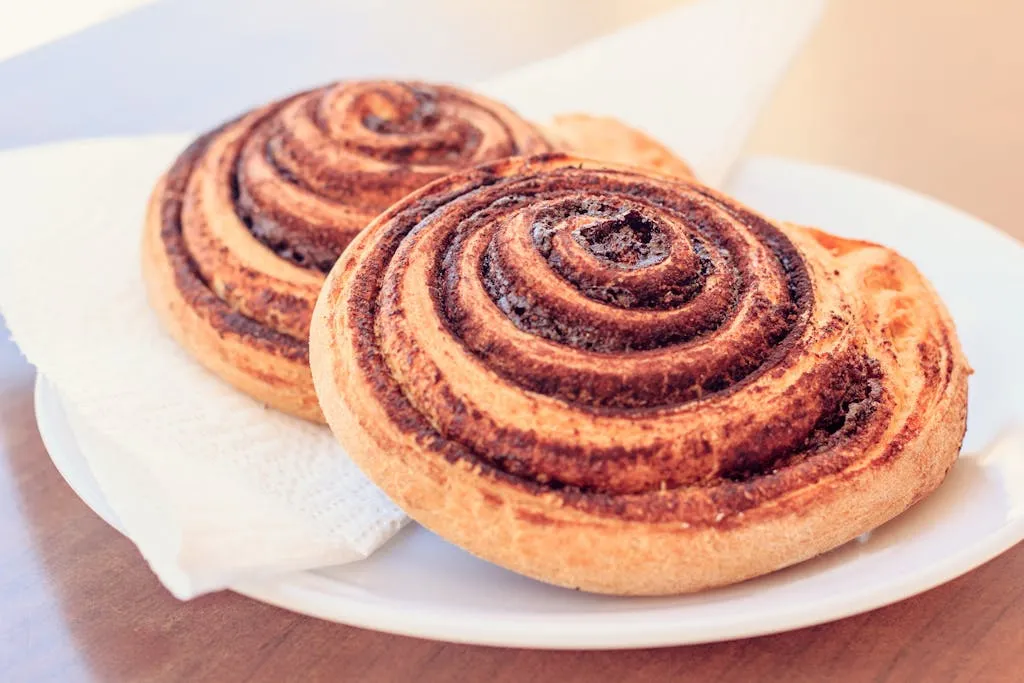
The Industrial Revolution played a pivotal role in cinnamon’s integration into baked goods. As mass production scaled, cinnamon rolls, breads, and pastries became staples in Western diets. This era marked a shift towards sweetness as a readily accessible indulgence. For bakers seeking that nostalgic aroma, incorporating cinnamon into doughs not only enhances flavor but also improves texture through its natural sweetness and aroma. Mastering this technique creates bakery-level results at home.
Cinnamon’s Modern Global Kitchen

Today, cinnamon is a global staple, embraced in cuisines worldwide. Its versatility is unparalleled, enhancing dishes from Moroccan tagines to Mexican mole. Modern kitchens can explore this diversity, adding warmth to curry blends or sweetness to oatmeal. For optimal use, pair cinnamon with complimentary spices like cardamom or cloves. This strategic layering of flavors enriches the culinary experience, offering home cooks a taste of global traditions right from their own kitchen.
