
12 cultural foods Americans mocked for decades that are now trendy and expensive
For much of the 20th century, many cultural foods in America were dismissed as odd, inferior, or unsophisticated often reflecting bias more than taste. These dishes were tied to immigrant communities and survival cooking, making them easy targets for mockery. Over time, shifting palates, global travel, food media, and chef-driven storytelling transformed perception. What was once laughed at is now praised for authenticity, depth, and craftsmanship. These twelve foods show how dramatically cultural value can change, especially when rediscovered through trend cycles and upscale reinterpretation.
Bone Broth
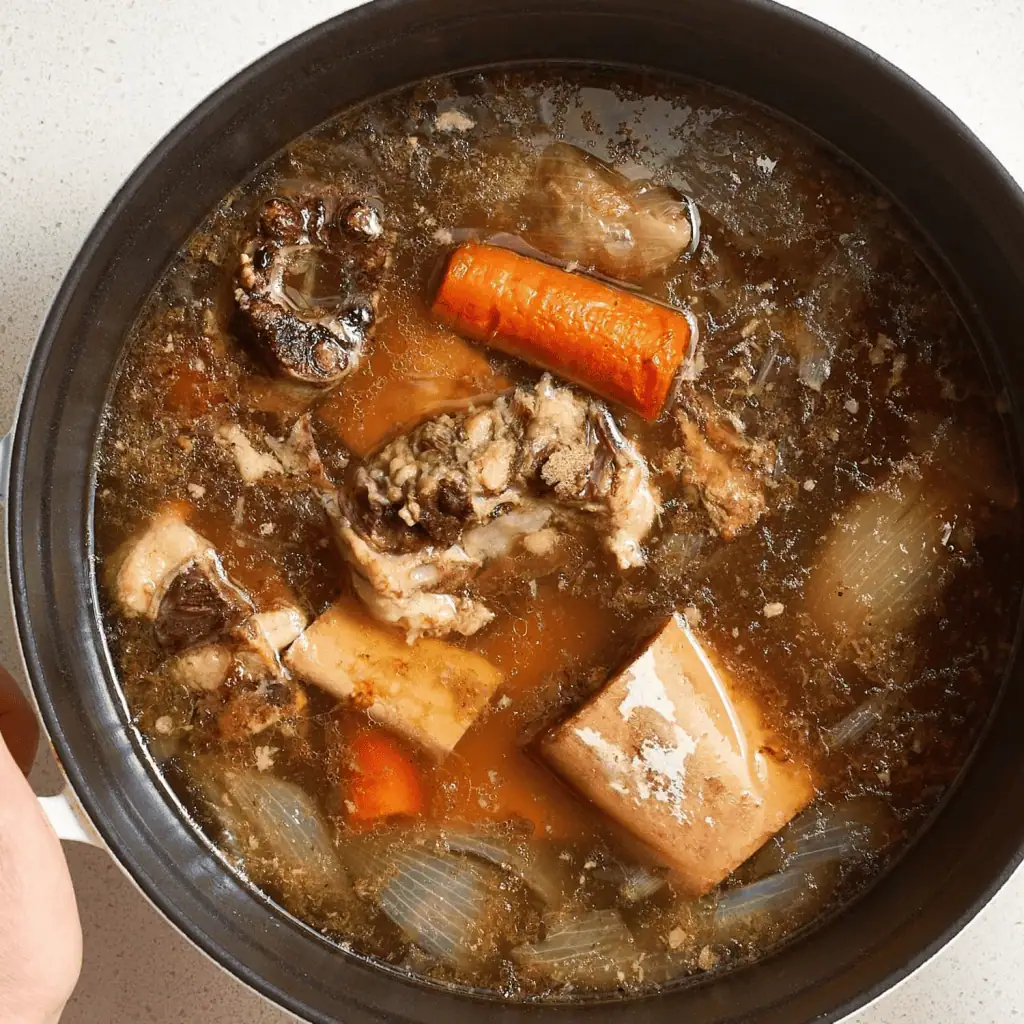
Long mocked as old-fashioned or associated with poverty cooking, bone broth was once viewed as something grandparents made out of necessity. Immigrant households simmered bones to extract nutrition when meat was scarce, but mainstream culture dismissed it as unappealing. Today, bone broth is marketed as a wellness product, sold in minimalist packaging at premium prices. Its transformation reflects how survival foods become luxury items once reframed through health trends and branding, despite remaining fundamentally the same humble preparation.
Kimchi

For decades, kimchi was ridiculed for its strong smell and fermented nature, often misunderstood outside Korean communities. Many Americans dismissed it as overly pungent or “too weird” for everyday eating. Today, kimchi is praised for gut health, depth of flavor, and culinary versatility. It appears in upscale restaurants, fusion dishes, and health-focused grocery aisles. What was once mocked is now celebrated as complex and probiotic-rich, with artisanal versions commanding high prices.
Oxtail
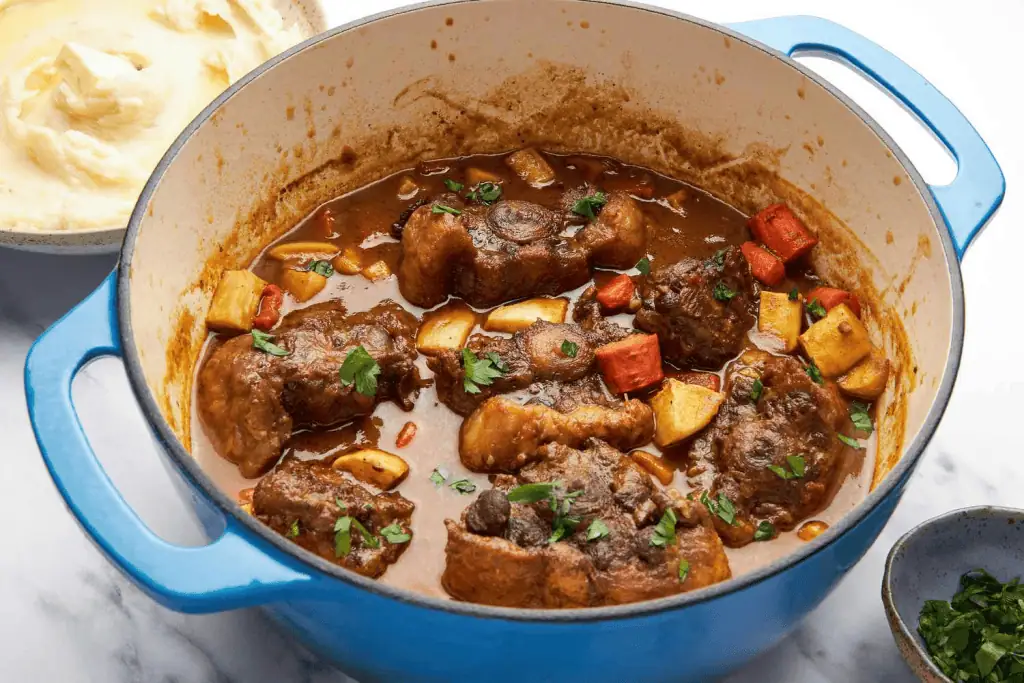
Oxtail was long considered undesirable, associated with hardship cooking and low-income households. Many cultures used it because it was cheap and flavorful when cooked slowly. For years, Americans overlooked it entirely or treated it as a joke cut. Today, oxtail is a menu highlight in high-end restaurants, valued for richness and texture. Its price has skyrocketed, reflecting how “forgotten” cuts gain prestige once chefs reframe them as culinary treasures.
Polenta

Polenta was once dismissed as bland peasant food, associated with poverty and lack of refinement. Italian immigrant families relied on it as a filling staple, but it rarely received respect in mainstream dining. Today, polenta is featured in upscale restaurants, often paired with truffles, braised meats, or specialty cheeses. Its slow-cooked simplicity is now praised as rustic elegance, showing how class-based perceptions can flip entirely over time.
Pho
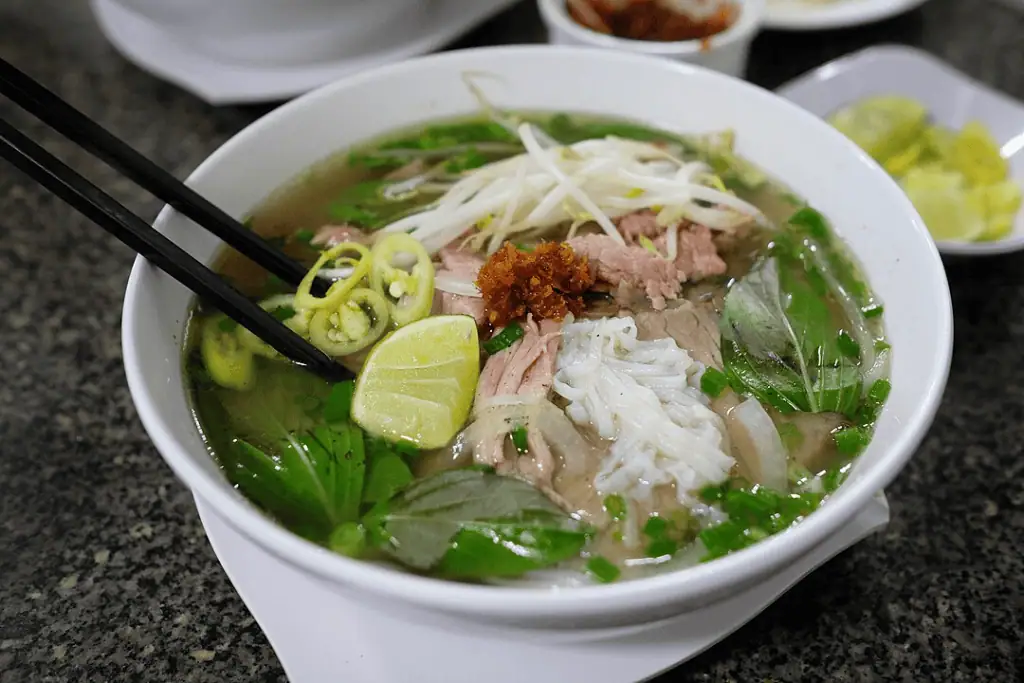
Pho was once mocked as smelly or strange, especially during early waves of Vietnamese immigration. Many Americans reduced it to stereotypes without understanding its complexity. Over time, pho gained recognition for its carefully built broth and balance of flavors. Today, it’s a sought-after comfort food with artisanal variations charging premium prices. What was once dismissed as foreign and unfamiliar is now embraced as soulful, refined, and deeply satisfying.
Sardines
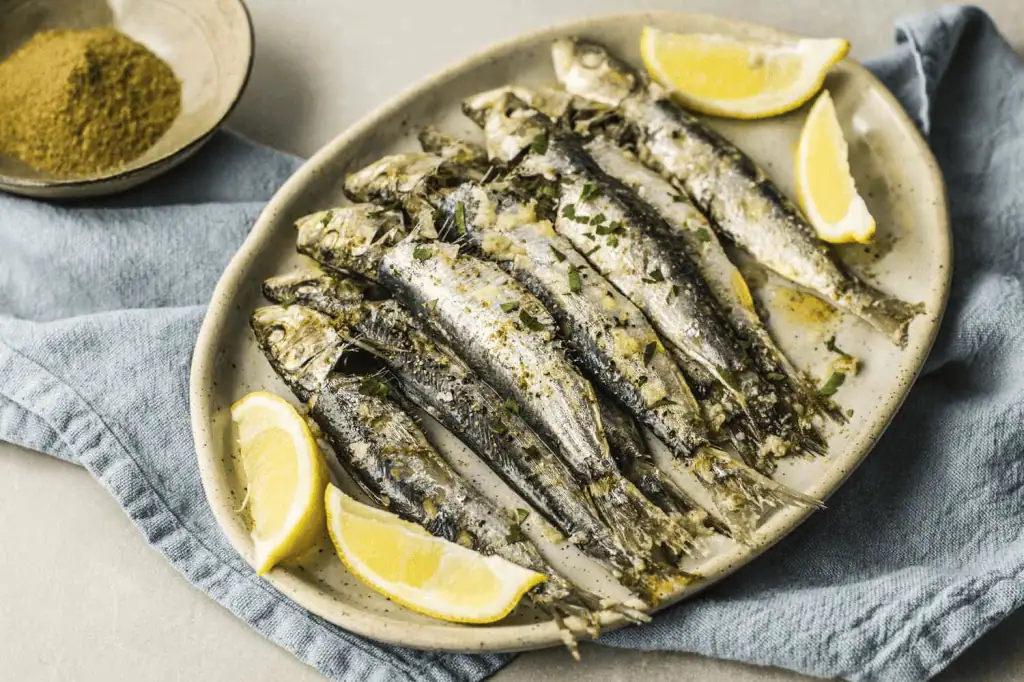
Canned sardines were long treated as jokes, associated with cramped lunches or desperation meals. Their strong smell and visible bones made them an easy punchline. Yet many cultures valued sardines for nutrition and affordability. Today, high-quality tinned fish is a luxury category, with beautifully packaged sardines selling at gourmet prices. The shift reflects how context and presentation can turn a mocked staple into a fashionable indulgence.
Fermented Soy Foods
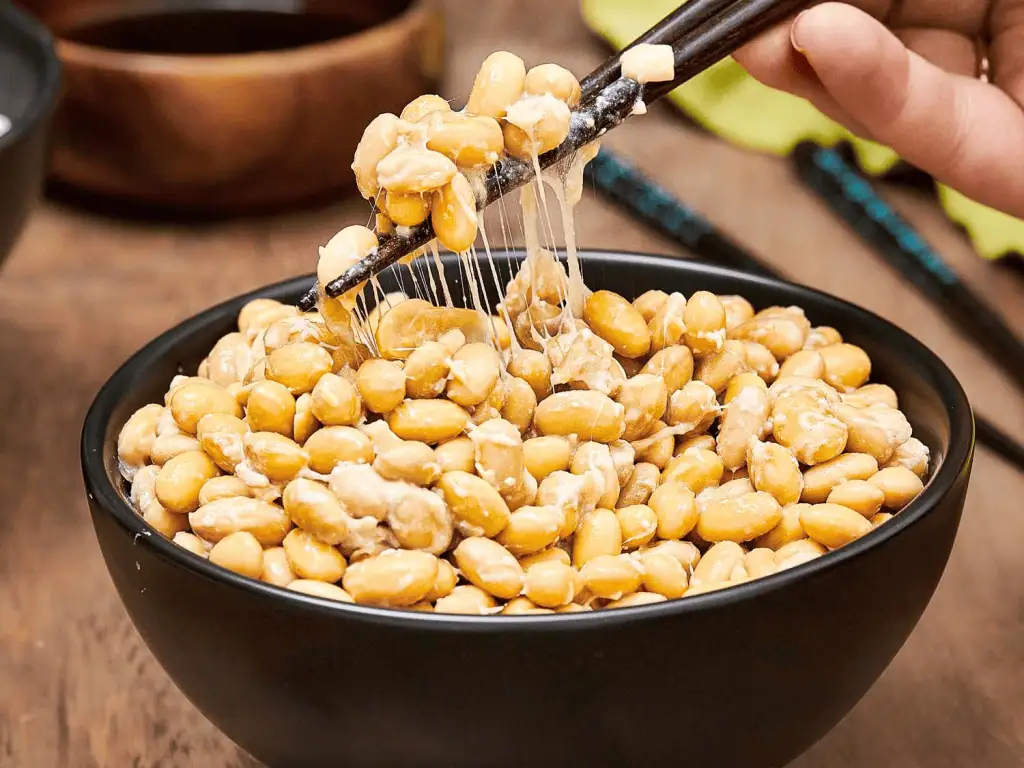
Foods like miso and natto were once ridiculed for texture, smell, and unfamiliar preparation. Many Americans dismissed them without tasting, labeling them unappetizing. Today, fermented soy is praised for umami depth and health benefits. Miso appears in upscale sauces and desserts, while fermentation itself is treated as culinary skill. What was once mocked is now associated with expertise, wellness, and global sophistication.
Goat Meat
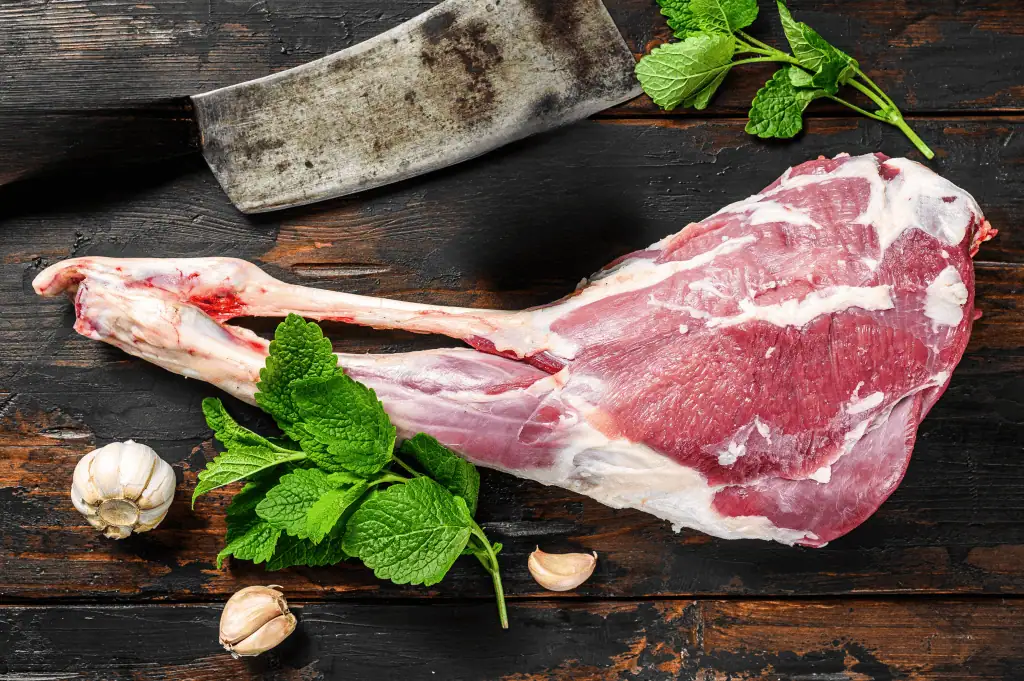
Goat meat was often mocked as inferior or strange, despite being widely eaten globally. In the U.S., it was stereotyped as “ethnic” or undesirable. Today, goat appears on high-end menus, valued for its leanness and flavor when cooked properly. Chefs highlight its sustainability and cultural roots. Its rise shows how foods once stigmatized by unfamiliarity gain prestige when reframed through culinary storytelling.
Pickled Vegetables

Pickled foods were long associated with desperation, cheap preservation, or odd flavors. Many cultural pickles were mocked for their sourness or smell. Today, pickling is celebrated as artisanal craft. House-made pickles appear on tasting menus, and fermentation labs are points of pride. What was once seen as crude preservation is now framed as intentional flavor development, commanding premium pricing.
Offal

Organ meats like tongue, tripe, and liver were mocked as gross or unrefined for decades. These cuts were staples in many cultures because nothing was wasted. American mainstream culture rejected them aggressively. Today, offal is praised for sustainability and depth of flavor in chef-driven kitchens. High-end restaurants now charge premium prices for dishes built around what was once considered inedible.
Flatbreads

Flatbreads from Middle Eastern, South Asian, and African cuisines were once dismissed as primitive substitutes for “real” bread. Many Americans misunderstood them as inferior or incomplete. Today, naan, pita, and injera are celebrated for texture, versatility, and tradition. Upscale versions appear in artisanal bakeries and restaurants, often sold at luxury prices. The shift reflects growing respect for non-European bread traditions.
Street Noodles
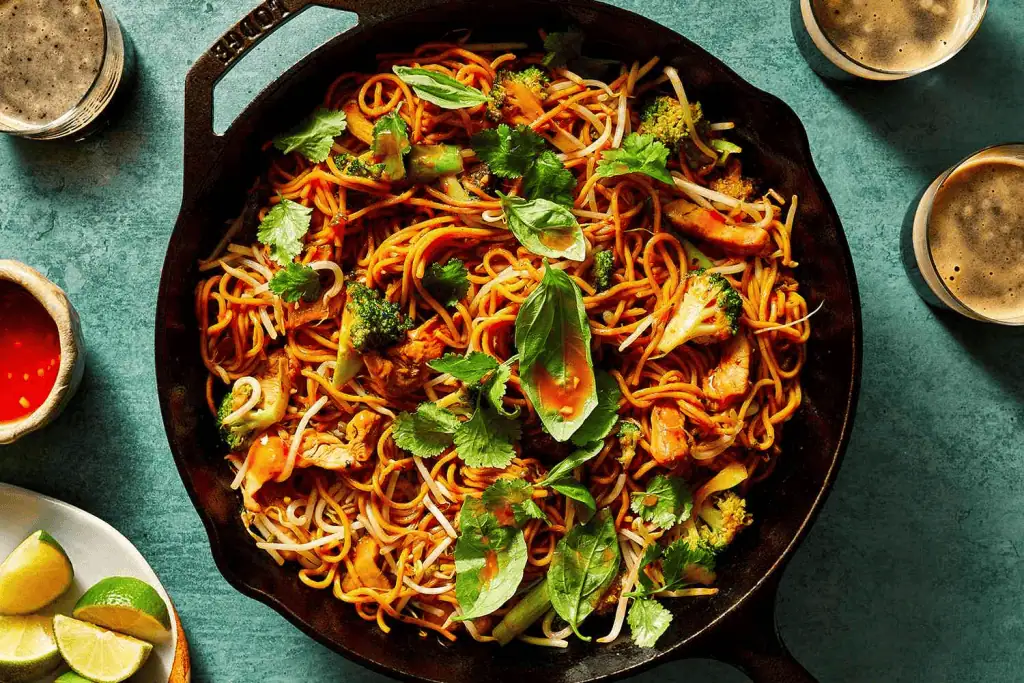
Street noodles were long mocked as cheap, greasy food meant only for late-night eating. Many immigrant noodle dishes were dismissed as unsanitary or low-quality. Today, handmade noodles are culinary stars, with chefs showcasing technique and regional identity. Bowls that once cost a few dollars now sell for premium prices. The transformation highlights how class bias shaped food judgment more than flavor ever did.
