
100 Years of Food Trends: A Decade-by-Decade Breakdown
Explore a century of culinary evolution as we dissect each decade’s food trends. This journey highlights the interplay between historical events and kitchen creativity, revealing how ingredients and cooking styles shifted over time. With a focus on practical techniques and ingredient highlights, this guide serves as an invaluable resource for home cooks eager to replicate historical flavors while embracing contemporary sensibilities.
The Roaring Flavors of the 1920s

The 1920s culinary landscape was defined by indulgence and innovation. As prosperity boomed, so did the popularity of extravagant dishes like oysters Rockefeller and lobster Newberg—both exemplifying rich, creamy textures and bold flavors. Dining out became a spectacle of style, and the growing influence of French cuisine introduced techniques like sautéing and flambéing that added drama to the dining experience. Cooks experimented with gelatin molds, highlighting creativity in presentation. Understanding the balance of rich ingredients with precise techniques was key to capturing the decade’s essence.
Depression-Era Dining: The 1930s

The Great Depression reshaped cooking into an exercise in resourcefulness. Home cooks maximized the potential of staples like beans, potatoes, and canned goods, emphasizing frugality without sacrificing taste. Techniques such as braising and stewing tenderized inexpensive cuts, infusing them with flavor over extended cooking times. Casseroles emerged as a one-dish solution, combining limited ingredients into satisfying meals. This era’s focus on simplicity and efficiency provides valuable lessons on minimizing waste while artfully using pantry essentials.
Wartime Rations and Innovation: The 1940s

In the 1940s, World War II ushered in an era of rationing, which drove a new wave of culinary ingenuity. Victory gardens flourished, with homegrown produce like carrots and cabbage substituting rationed goods. Quick breads and cakes used alternative ingredients like applesauce or molasses to stretch limited supplies. The decade saw homemakers embracing pressure cooking and canning, preserving fruits and vegetables for extended periods. These methods exemplified efficient cooking practices, turning constraints into opportunities for creative, nourishing solutions.
A Taste of Prosperity: The 1950s

Post-war affluence in the 1950s brought convenience foods to the forefront. The burgeoning popularity of modern appliances like refrigerators and mixers transformed home kitchens, while processed foods, including TV dinners and Jell-O salads, emphasized ease. The decade celebrated the allure of international flavors, seen in the popularity of dishes like chicken à la king. Aspics and soufflés signaled a renewed interest in elegant preparation techniques, merging style with substance. Understanding these shifts highlights how innovation blended with tradition to satisfy evolving tastes.
Revolution on a Plate: The 1960s

The 1960s brought a new wave of culinary exploration, marked by the increasing popularity of international flavors. French cuisine took center stage, heavily influenced by Julia Child’s introduction of classic techniques to American kitchens. Mastering a perfect beurre blanc or coq au vin became a badge of honor for home cooks. The decade also saw the emergence of convenience foods, with microwaves making their way into households. Fresh ingredients began sharing the spotlight with canned goods, urging cooks to blend ease with elegance.
Fad Foods and Disco Vibes: The 1970s

The 1970s cuisine was defined by bold flavors and the rise of instant gratification, with fondue parties setting the tone for communal dining. Casseroles and gelatin molds were staples of the era, appreciated for their ability to combine disparate ingredients into a single, cohesive dish. Health consciousness started gaining traction, reflected in the popularity of low-calorie and diet foods. The decade was also the playground for dishes like quiche and carrot cake, making meals more visually appealing while embracing a disco-era flamboyance.
Decadence and Convenience: The 1980s
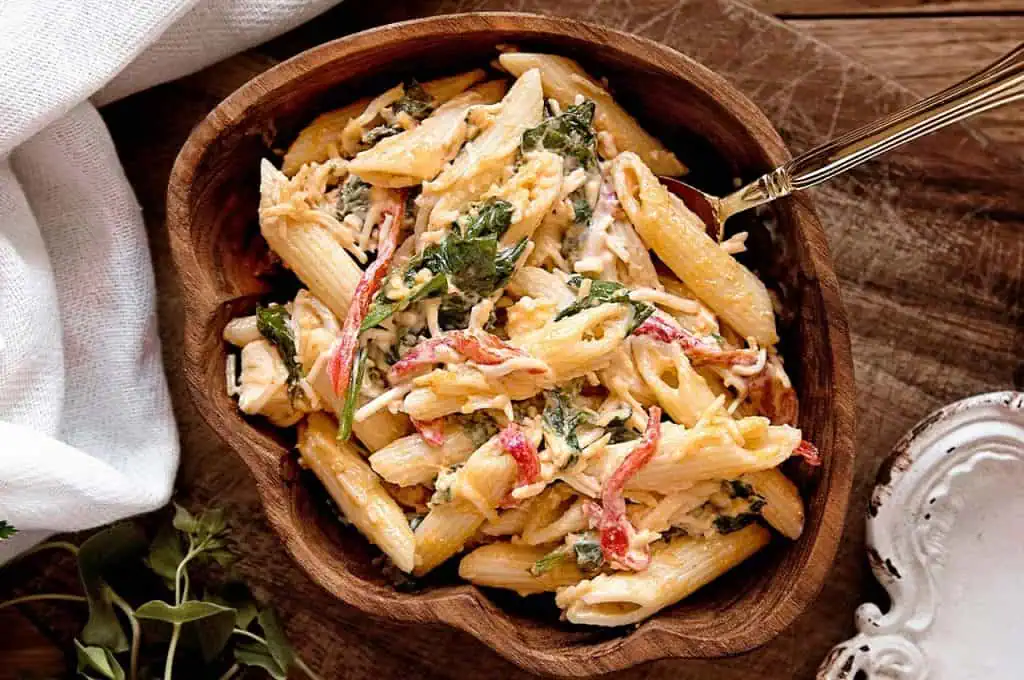
In the 1980s, excess and elegance were key. Nouvelle cuisine introduced lighter dishes with an emphasis on presentation, while fast food chains expanded their offerings, catering to those seeking convenience. Pasta salads joined the spotlight, and the microwave became essential in speeding up meal prep. Dishes with rich ingredients like duck à l’orange gained popularity, showcasing a balance of luxury and practicality. The decade’s cooking ethos was about making gourmet accessible, encouraging experimentation with bold, sophisticated flavors.
Global Fusion and Fast Food: The 1990s

The 1990s brought global fusion to everyday dining, with influences from Asia, the Middle East, and Latin America enriching American plates. Sushi became ubiquitous, and dishes like pad thai and couscous salads joined the mainstream menu. Fast food chains expanded globally, pushing innovation with new flavors and healthier options. Sun-dried tomatoes and balsamic vinegar rose to culinary prominence, offering depth to simple preparations. The focus on fresh ingredients and ethnic diversity defined the decade’s adventurous culinary spirit.
Organic and Artisanal Rise: The 2000s

The 2000s embraced a return to simplicity and quality. Organic produce and farm-to-table movements gained momentum as consumers sought transparency in sourcing. The artisanal approach elevated everyday items, with bread, cheese, and charcuterie experiencing a renaissance. Local and seasonal became buzzwords, creating a platform for chefs to showcase their skill in letting ingredients shine. The rise of food blogs and reality cooking shows broadened exposure to diverse techniques, reshaping the home cook’s repertoire with knowledge and finesse.
Tech Meets Tradition: The 2010s

In the 2010s, culinary techniques reached new heights with the marriage of technology and tradition. Sous vide cooking gained widespread popularity, hailed for its ability to precisely control temperatures, resulting in perfectly cooked proteins that retain moisture and flavor. Likewise, molecular gastronomy introduced techniques like spherification, allowing chefs to transform liquids into gel-like spheres, enhancing both presentation and texture. Home cooks embraced slow cookers and pressure cookers to rediscover the joys of low and slow cooking with a modern twist. This decade exemplified how tradition could be celebrated and elevated through innovation.
Sustainability and Innovation: The 2020s

The 2020s have ushered in a new era of sustainability, where eco-friendly practices drive culinary innovation. Plant-based eating has moved to the forefront, with chefs creating dishes that celebrate vegetables in their entirety, utilizing everything from root to leaf. Fermentation has gained renewed interest, offering flavors that are complex yet grounded, supporting gut health and reducing waste. Technology continues to reshape the culinary landscape with advancements in lab-grown proteins, promising a future of sustainable meat consumption without the environmental impact. This decade emphasizes mindful eating and responsible sourcing as essential pillars of modern culinary artistry.
