
I Tried the Original 1939 Thin Mint Recipe and It Puts the New Box Versions to Shame
The Thin Mint is arguably the most famous cookie in the world, but the 2026 store-bought version is a far cry from its pre-WWII origins. Modern boxes rely on vegetable oils and artificial flavorings to maintain shelf life, which often results in a waxy coating and a hollow crunch. In contrast, the 1939 original recipe uses real butter, high-quality cocoa, and a touch of salt to create a biscuit that is both sturdy and melt-in-your-mouth tender. After baking a batch of these historic treats, it becomes clear that we have sacrificed flavor for convenience. Here is why the vintage version is the undisputed champion of the cookie world.
The Superior Shortbread Base

The foundation of the 1939 recipe is a classic chocolate shortbread that prioritizes a high butter-to-flour ratio. Unlike modern versions that can feel dry or overly “airy,” this vintage base is dense and rich, providing a satisfying snap when you bite into it. The use of real butter creates a savory depth that balances the sweetness of the sugar, a nuance that is completely lost in the oil-based modern alternatives.
When you bake these at home, the kitchen fills with a deep, toasted cocoa aroma that no cardboard box can replicate. It is a reminder that the best cookies start with simple, high-quality pantry staples.
The Natural Peppermint Punch
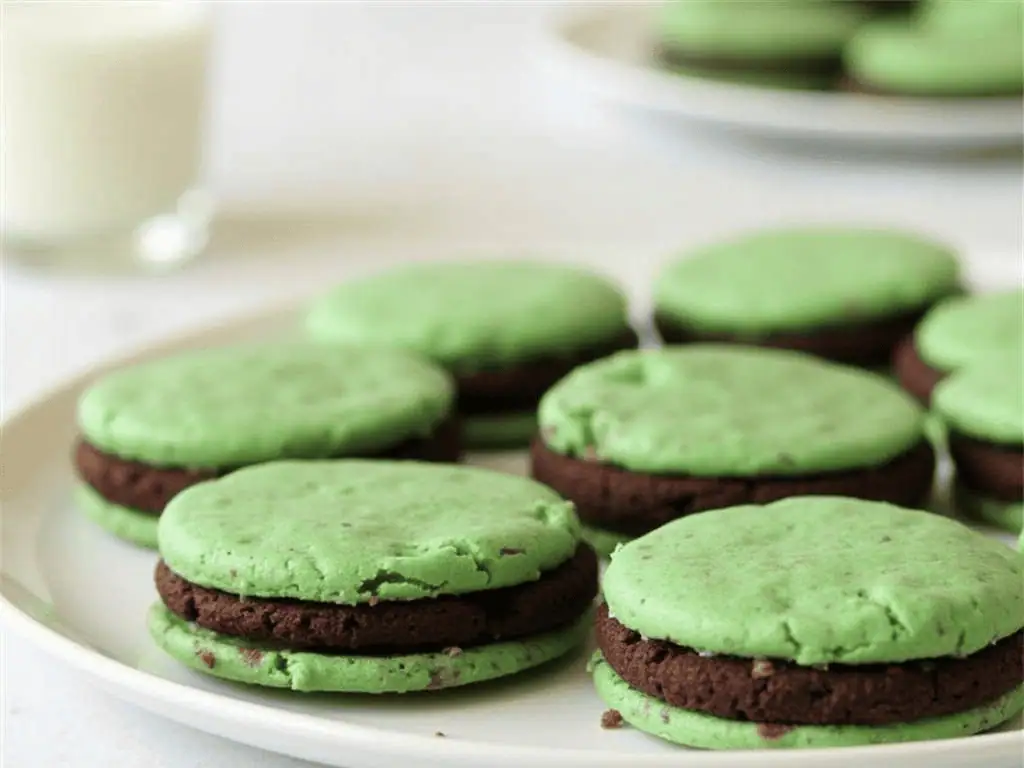
One of the most striking differences in the 1939 recipe is the reliance on pure peppermint oil rather than “natural flavors” or imitation extracts. In 2026, high-grade essential oils for baking are easily accessible, allowing home bakers to mimic the intense, clean cooling sensation of the original. This natural oil provides a bright, sharp contrast to the dark chocolate that lingers pleasantly on the palate.
Modern box versions often have a “muted” mint flavor that feels like an afterthought mixed into the coating. The vintage recipe integrates the mint directly into the dough and the glaze, creating a cohesive and powerful flavor profile.
The Decadent Ganache Dip

Modern Thin Mints are coated in a thin, waxy layer of compound chocolate designed to withstand shipping and varying temperatures. The 1939 method, however, calls for a true chocolate ganache dip made with heavy cream and bittersweet chocolate. This results in a silky, indulgent finish that doesn’t have that “plastic” feel typical of the boxed varieties.
In 2026, using a 70% dark chocolate for the dip adds a sophisticated bitterness that cuts through the richness of the butter. This coating remains soft enough to bite through easily while providing a luxurious texture that feels like a high-end truffle.
The Secret Salt Factor
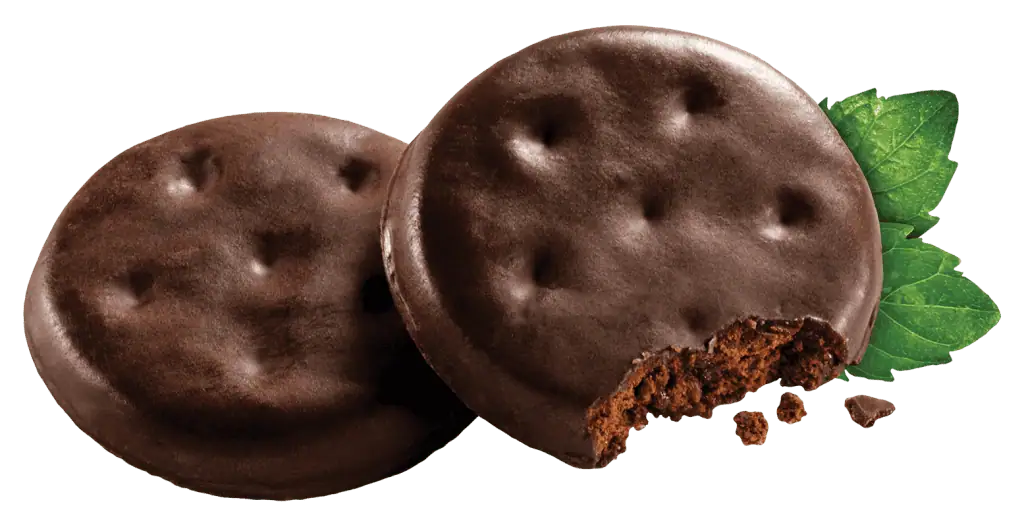
A major oversight in modern mass-produced cookies is the lack of adequate salt to balance the sugar and chocolate. The 1939 recipe includes a generous pinch of fine sea salt, which acts as a flavor enhancer for both the cocoa and the peppermint. This small addition makes the chocolate taste “darker” and more intense, preventing the cookie from being cloyingly sweet.
In the 2026 baking landscape, where “salted chocolate” is a premium trend, this vintage technique feels incredibly modern and well-calibrated. It is the secret weapon that makes the original recipe addictive and keeps you reaching for one more.
