
How Peanut Butter Really Affects Your Cholesterol
Understanding peanut butter's impact on cholesterol levels begins with its composition. This nutrient-dense spread is more than just a childhood favorite, it's a powerful ally in maintaining heart health. By examining its beneficial components, we can appreciate how peanut butter contributes positively to cholesterol management.
Peanut Butter's Cholesterol Benefits

Peanut butter may be rich, but it can actually support heart health when eaten in moderation. It contains monounsaturated and polyunsaturated fats, which help lower LDL (“bad”) cholesterol while raising HDL (“good”) cholesterol. Studies, including research from the Harvard School of Public Health, link nut consumption to reduced risk of heart disease. Choosing natural peanut butter without added sugars or hydrogenated oils maximizes these cholesterol-friendly benefits.
Healthy Fats in Peanut Butter

Peanut butter is packed with heart-healthy fats, primarily monounsaturated and polyunsaturated fats, which play a key role in maintaining balanced cholesterol levels. These fats not only reduce harmful LDL cholesterol but also support healthy cell function and provide long-lasting energy. According to the American Heart Association, replacing saturated fats with unsaturated fats, like those found in peanut butter, can significantly lower cardiovascular risk when part of a balanced diet.
Fiber's Role in Cholesterol Management

While peanut butter isn’t high in fiber, it does contribute a small but meaningful amount that can aid cholesterol control. Dietary fiber, especially soluble fiber, helps reduce LDL cholesterol by binding to it in the digestive system and promoting its removal. Pairing peanut butter with fiber-rich foods like whole grain bread, oats, or apple slices boosts this benefit. Research in the Journal of the American Medical Association highlights fiber’s protective role in lowering heart disease risk.
The Power of Plant Sterols
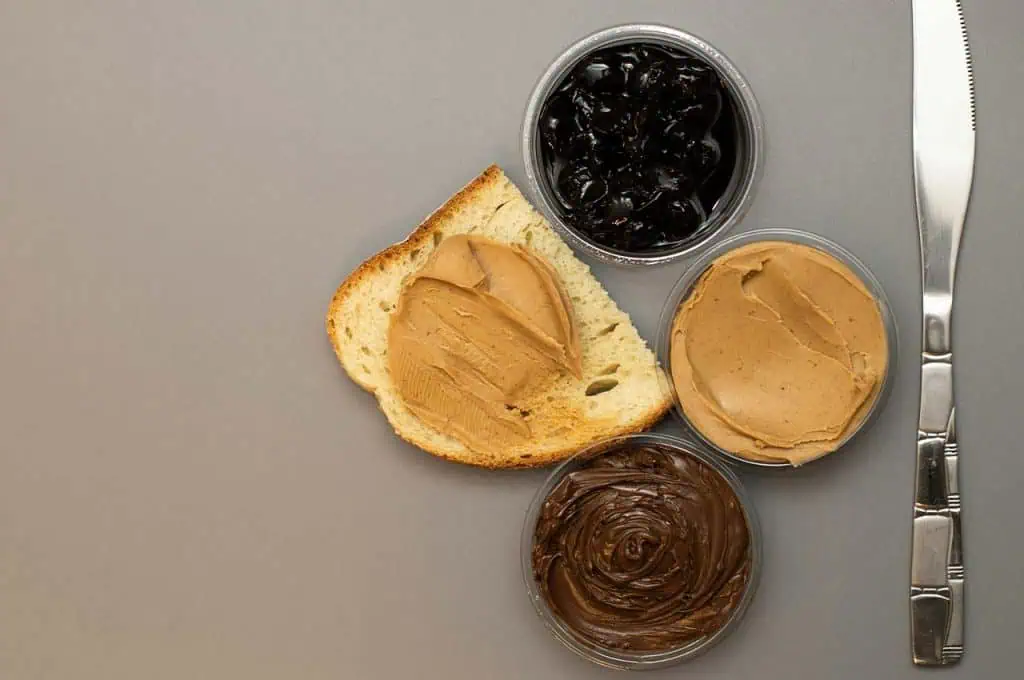
Peanut butter naturally contains plant sterols, compounds shown to block cholesterol absorption in the intestines, helping lower LDL levels. According to the National Cholesterol Education Program, a daily intake of 2 grams of plant sterols can reduce LDL cholesterol by up to 10%. While peanut butter provides modest amounts, it still contributes to overall intake, especially when combined with other plant-based foods like nuts, seeds, and vegetables, supporting long-term heart health.
Portion Control Insights
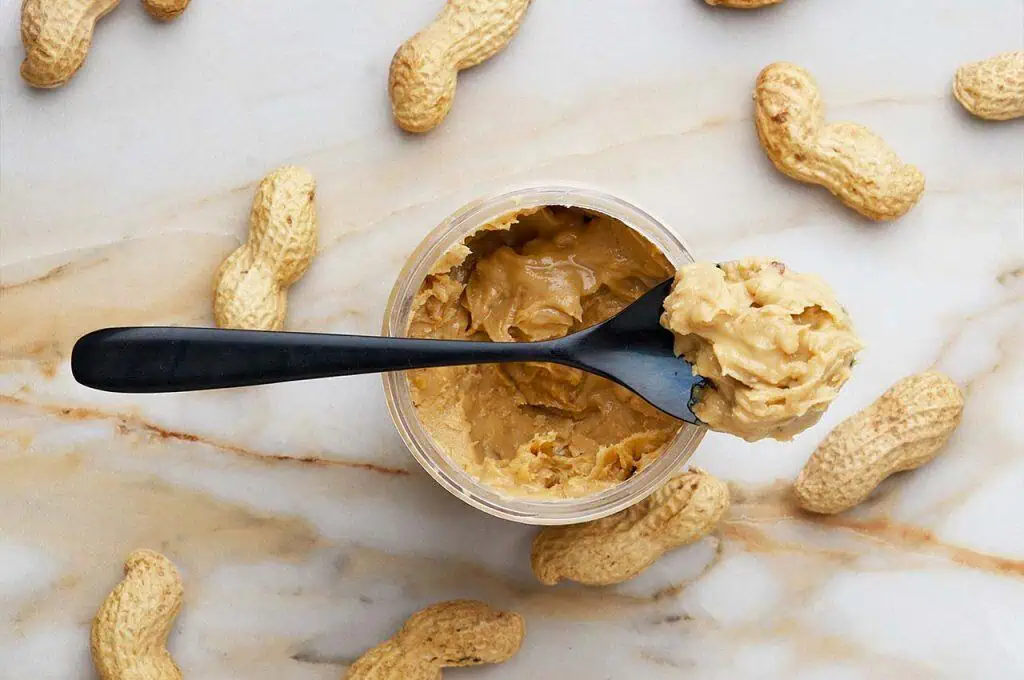
Although peanut butter offers heart-healthy benefits, portion size is key. Just two tablespoons contain about 190 calories and 16 grams of fat, which can quickly add up if over-consumed. Experts recommend sticking to this serving to enjoy the cholesterol-lowering fats without excess calories. The American Heart Association emphasizes moderation, noting that too much fat, even healthy fat, can contribute to weight gain, which indirectly impacts cholesterol and heart health.
Avoid Added Sugars and Oils

Not all peanut butters are created equal, many commercial brands include added sugars, hydrogenated oils, and excess sodium, which can undermine heart benefits. These additives increase unhealthy trans fats and empty calories, contributing to higher LDL cholesterol and inflammation. Nutrition experts recommend choosing natural or single-ingredient peanut butter made only from peanuts (and sometimes a pinch of salt). This keeps the focus on the healthy fats, plant sterols, and nutrients that truly support cholesterol health.
Incorporating Peanut Butter Easily

Adding peanut butter to your diet doesn’t have to be complicated. Spread it on whole grain toast, blend it into smoothies, swirl it into oatmeal, or pair it with fruit for a balanced snack. These combinations boost fiber, vitamins, and minerals that further support cholesterol health. Research published in the British Journal of Nutrition highlights how incorporating nuts regularly into meals is linked to improved lipid profiles, making peanut butter a simple, tasty tool for heart wellness.
