
9 Food Rules We Were Taught as Kids That Turn Out to Be Complete Lies
Many of the food rules we grew up with were taught with good intentions. Parents, teachers, and even doctors repeated advice they believed would keep kids healthy, polite, or well behaved. But much of that guidance was rooted in outdated science, cultural norms, or convenience rather than evidence. As nutrition research evolved and eating habits became more flexible, many of those rules began to fall apart. What once felt like unquestionable truth now raises eyebrows among adults who better understand hunger cues, balance, and long-term health. These childhood food “rules” weren’t just harmless suggestions they shaped how generations learned to eat, often in ways we’re still unlearning today.
“You Have to Clean Your Plate”

Being told to finish everything on your plate was one of the most common food rules for kids, often framed as respect for food or gratitude for what you’re given. While well-meaning, this rule trained many children to ignore natural hunger and fullness cues. As adults, this habit can lead to overeating and difficulty recognizing when the body is satisfied. Modern nutrition emphasizes listening to internal signals rather than external pressure. The idea that food must always be finished ignores portion variability and appetite changes, making this rule one of the most widely debunked lessons from childhood.
“Fat Is Bad for You”

For decades, children were taught that fat was the enemy of health. Low-fat everything dominated grocery shelves, and foods containing fat were framed as indulgent or dangerous. What was ignored was the difference between healthy fats and heavily processed alternatives. Many low-fat products replaced fat with sugar, leading to worse nutritional outcomes. Today, fats from sources like nuts, dairy, olive oil, and fish are recognized as essential for brain function, hormones, and satiety. The blanket fear of fat shaped unhealthy relationships with food that modern science no longer supports.
“Snacking Ruins Your Appetite”
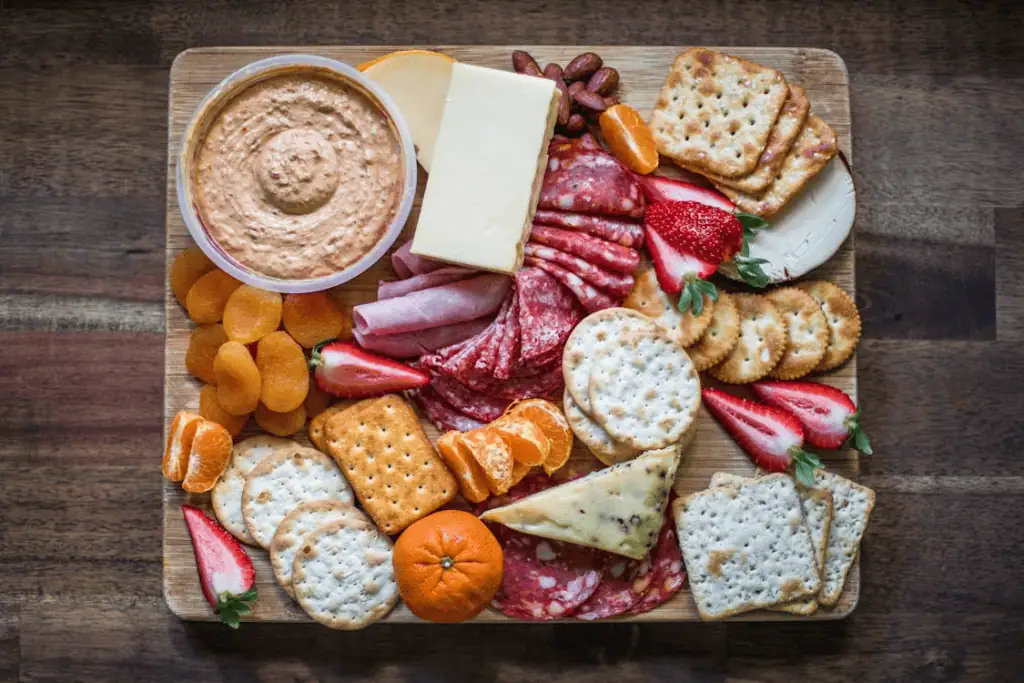
Kids were often warned that eating between meals would spoil dinner, implying that hunger should be tightly scheduled. This rule treated appetite as something rigid rather than responsive. In reality, snacking can support stable energy levels, especially for growing children. Adults now understand that balanced snacks can prevent overeating later and help regulate blood sugar. The idea that snacking is inherently bad ignores how bodies actually function throughout the day. Many people are now relearning that hunger doesn’t follow a clock and doesn’t need to be suppressed.
“Sugar Makes Kids Hyper”

Few food myths were repeated as often as the claim that sugar causes hyperactivity. Birthday parties, candy, and desserts were blamed for excited behavior, despite research showing little direct connection. Excitement, environment, and expectations often played a much bigger role. While excessive sugar intake has health implications, the idea that it directly causes hyperactivity is largely unsupported. This myth led many parents to fear sugar in isolation rather than focusing on overall dietary patterns. It’s a rule rooted more in observation than evidence.
“Breakfast Is the Most Important Meal of the Day”

Children were taught that skipping breakfast was unhealthy and irresponsible, regardless of hunger levels. While breakfast can be beneficial for many people, modern research shows that meal timing is highly individual. Some people function better when eating later, while others prefer early meals. Forcing breakfast on kids who aren’t hungry can create negative associations with food. The rigid rule ignored biological differences and lifestyle factors. Today, nutrition focuses more on overall intake and consistency rather than forcing a specific meal schedule.
“Vegetables Have to Be Plain to Be Healthy”

Many kids learned that vegetables only counted as healthy if they were plain, steamed, or unseasoned. Butter, oil, or seasoning were often portrayed as ruining their nutritional value. This rule made vegetables less appealing and reinforced the idea that healthy food must be unpleasant. In reality, fats help absorb certain nutrients, and seasoning encourages enjoyment and consistency. Adults now recognize that vegetables prepared in enjoyable ways are far more beneficial than vegetables avoided entirely. This rule often did more harm than good.
“Juice Is Just as Good as Fruit”

Fruit juice was often treated as a healthy substitute for whole fruit, especially in school lunches and breakfasts. While juice contains vitamins, it lacks fiber and delivers sugar far more quickly. Kids were rarely taught this distinction, leading many to consume juice in large amounts. Modern nutrition emphasizes whole fruit for digestion and satiety. The belief that juice and fruit were interchangeable shaped habits that many adults now actively avoid after learning how differently the body processes them.
“Carbs Will Make You Gain Weight”

As diet culture intensified, children increasingly absorbed the message that carbohydrates were inherently fattening. Bread, pasta, and rice were framed as foods to fear rather than fuel. This rule ignored the role of carbohydrates in energy, brain function, and physical activity. It also failed to distinguish between refined carbs and whole sources. Many adults now work to undo this belief, learning that balanced carbohydrate intake supports health rather than undermines it. The fear itself caused more damage than the food.
“Dessert Is a Reward for Good Behavior”

Using dessert as a reward taught children to associate sweets with achievement and emotional comfort rather than hunger or enjoyment. This rule unintentionally elevated dessert’s importance while framing other foods as chores. As adults, many struggle with emotional eating patterns rooted in this mindset. Modern approaches encourage neutralizing food moralization, allowing treats without guilt or conditions. Turning dessert into a prize shapes long-term relationships with food in ways parents never intended.
