
10 “Health Foods” From the 2000s That Quietly became junk
The early 2000s were a defining era for health food marketing in America. Grocery shelves filled with products labeled “low-fat,” “heart healthy,” or “made with whole grains,” and many consumers trusted those claims without much scrutiny. Over time, nutrition science evolved, ingredient lists became clearer, and consumer awareness grew. What once seemed like smart choices slowly revealed themselves as sugar-heavy, overly processed, or nutritionally hollow. These ten foods were once praised as healthy staples but are now widely reconsidered as junk in disguise.
Low-Fat Fruit Yogurt

Low-fat fruit yogurts were heavily promoted as a perfect combination of calcium, protein, and fruit. In reality, removing fat often meant adding large amounts of sugar to preserve flavor. wide varieties contained as much sugar as a dessert, with minimal actual fruit content. Over time, consumers realized that these yogurts spiked blood sugar while offering little satiety. What once felt like a healthy breakfast or snack is now often viewed as a sugary treat with clever branding.
Granola Bars
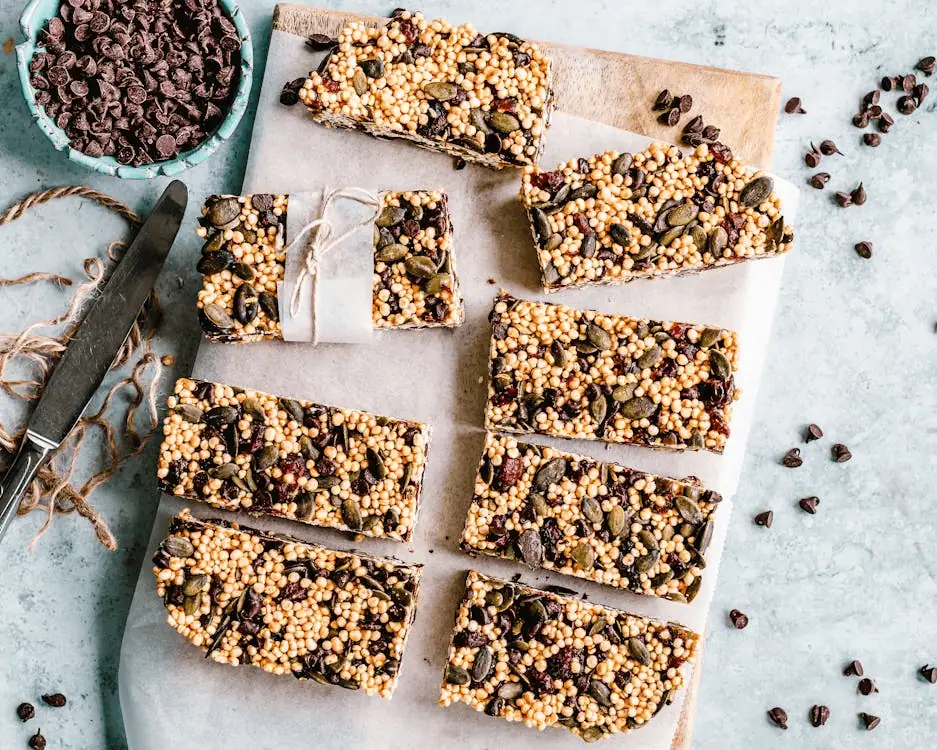
Granola bars were marketed as portable health foods for busy lifestyles. While they sounded wholesome, many were packed with syrups, refined grains, and added sugars. Protein and fiber content often fell short of expectations. As ingredient labels became more transparent, consumers began comparing granola bars to candy bars. Today, many classic 2000s granola bars are considered ultra-processed snacks rather than legitimate health foods.
Veggie Chips

Veggie chips gained popularity by implying they were made from vegetables and therefore, healthier than regular chips. In reality, most were still fried, heavily salted, and made primarily from starches rather than whole vegetables. The nutritional differences compared to potato chips were minimal. Over time, shoppers realized the health halo came from color and marketing rather than substance. Veggie chips are now widely seen as junk food with better branding.
Fat-Free Salad Dressings

Fat-free dressings were staples of diet culture in the 2000s. Removing fat often required adding sugar, stabilizers, and artificial flavors to maintain texture and taste. These dressings lacked the healthy fats needed to absorb nutrients from vegetables. As nutrition understanding improved, fat-free dressings lost credibility. Many are now viewed as nutritionally inferior to simple oil-based alternatives.
Breakfast Cereals Marketed as “Whole Grain”

Many cereals in the 2000s highlighted whole grains while quietly containing large amounts of sugar. Bright packaging and health claims are distracted from ingredient lists dominated by refined carbs. Parents trusted these cereals as nutritious breakfasts for kids. Over time, awareness grew around sugar content and glycemic impact. What once symbolized a healthy morning routine is now often categorized as processed junk food.
Flavored Rice Cakes

Rice cakes were embraced as low-calorie, guilt-free snacks. Flavored versions promised taste without consequences, but they offered little nutritional value. They were highly refined, low in fiber, and often coated with sugar or artificial flavorings. While light in calories, they provided minimal satiety. Today, flavored rice cakes are often viewed as empty snacks rather than health foods.
Smoothie Bottles from the Refrigerated Case
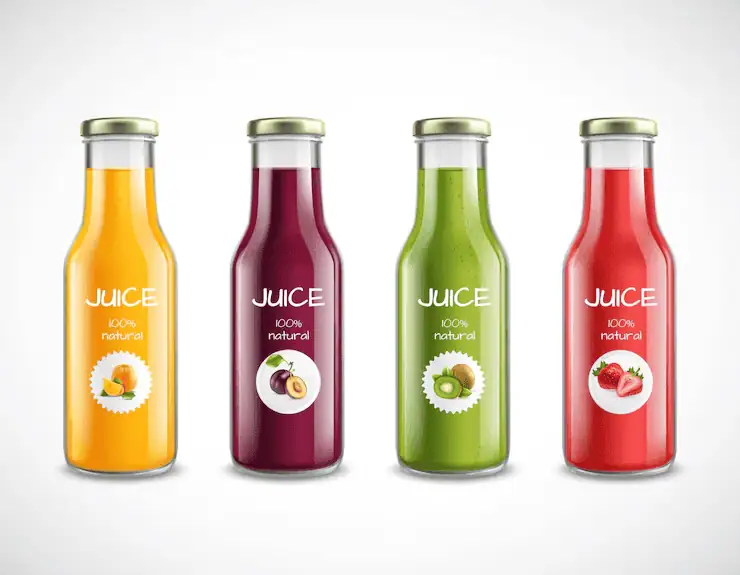
Store-bought smoothies gained a health reputation by associating themselves with fruit and freshness. Many bottled versions contained concentrated fruit juices, high sugar levels, and little fiber. Drinking fruit rather than eating it reduced satiety and increased sugar intake. As awareness grew, these smoothies began to resemble liquid candy more than health food. Their image shifted quietly but decisively.
Frozen Diet Meals

Frozen diet meals were heavily marketed toward weight loss and portion control. While convenient, many were high in sodium, low in fiber, and overly processed. The focus on calories ignored overall nutrition and ingredient quality. Over time, consumers realized these meals didn’t support long-term health. What once felt like disciplined eating is now often seen as nutritionally lacking convenience food.
Protein Shakes with Added Sugar
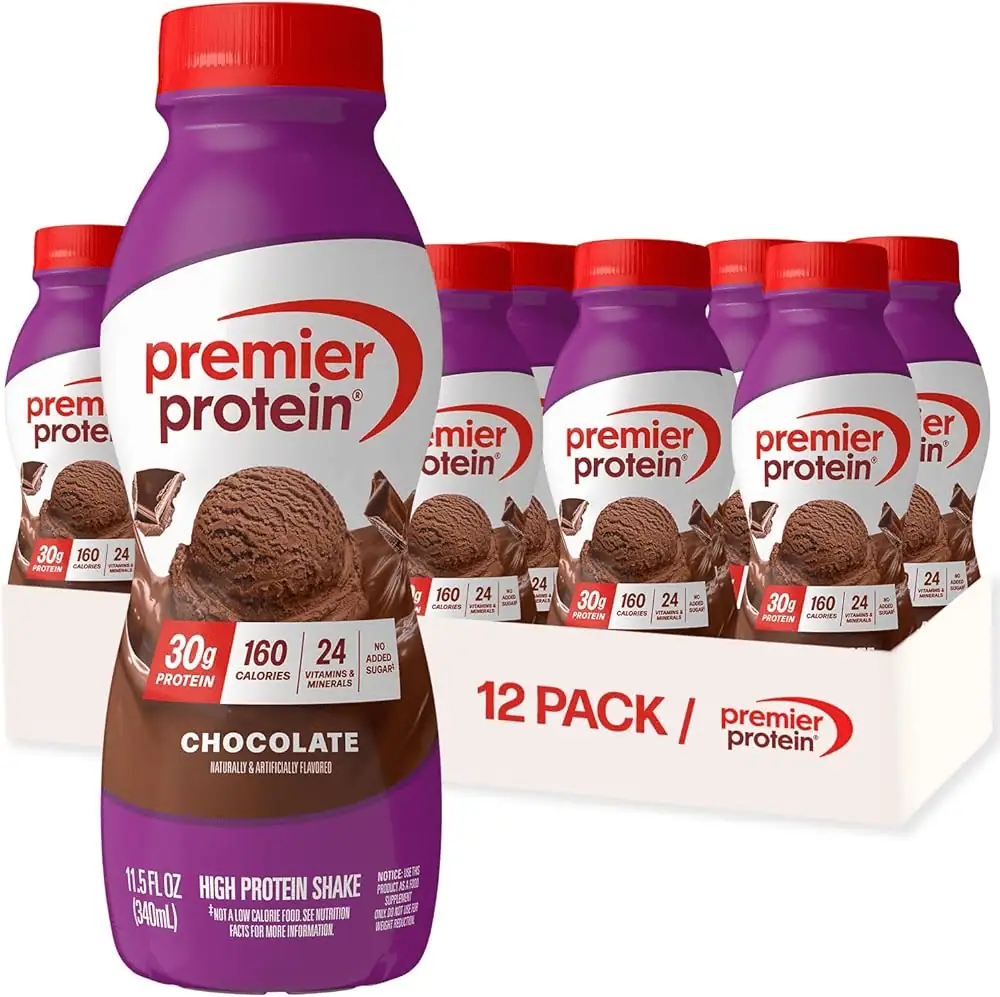
Early protein shakes were promoted as fitness essentials. Many contained excessive added sugars, artificial sweeteners, and fillers. Protein content often didn’t justify the calorie load. As protein education improved, consumers became more selective. Many classic 2000s protein shakes are now considered closer to desserts than functional nutrition.
Snack Packs Labeled “100-Calorie.”

The 100-calorie snack trend framed portion control as health. These packs often contained cookies, crackers, or candies in smaller servings rather than nutritious food. They encouraged restrictive thinking without improving food quality. Over time, the approach fell out of favor as people focused more on ingredients and fullness. Today, these snacks are widely viewed as junk food in controlled portions rather than true health choices.
