
8 Food Cost Mistakes That Separate Thriving Restaurants From the Ones That Close
The restaurant industry in 2026 is a game of millimeters where the cost of ingredients determines survival. With food inflation and “clean-label” sourcing driving up overhead, the gap between a thriving bistro and a shuttered storefront often comes down to the math behind the menu.
While many owners focus on decor or marketing, successful operators know that their “back-of-house” efficiency is the true engine of profit. Failing to manage the kitchen’s economy is the fastest way to turn a passion project into a financial disaster. Here are the eight food cost mistakes that separate the industry leaders from the ones that close their doors.
Ignoring the “Plate Waste” Audit

Thriving restaurants in 2026 treat every scrap of returned food as a data point, while failing ones simply scrape it into the bin. If your dishwashers are consistently clearing away half-eaten side dishes, your portion sizes are likely too large, leading to literal money in the trash.
Top-tier managers conduct weekly “waste audits” to identify which garnishes or sides are being ignored by diners. This allows them to trim portions scientifically without diminishing the perceived value of the meal. Ignoring this feedback loop is a silent profit killer that adds up to thousands of dollars in lost revenue annually.
Failing to Track “Yield” Per Ingredient
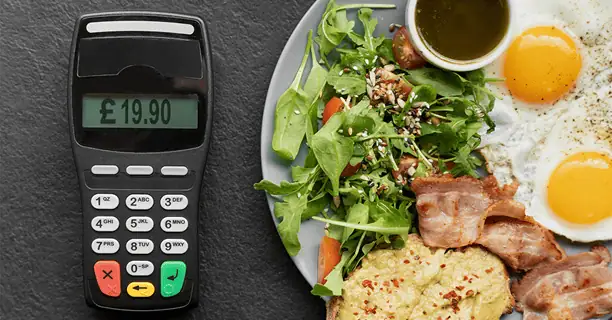
A major mistake that kills small restaurants is calculating food costs based on the “as-purchased” price rather than the “edible-portion” yield. For example, if you buy 10 lbs of brisket but trim away 3 lbs of fat and gristle, your true cost per pound is significantly higher than the invoice suggests.
In 2026, successful kitchens use digital yield-tracking software to ensure their menu pricing reflects the actual cost of what hits the plate. Managers who skip this step often find themselves underpricing their most popular dishes, leading to “busy but broke” operations. Precision in yield is the foundation of a healthy margin.
Over-Reliance on a Single Vendor
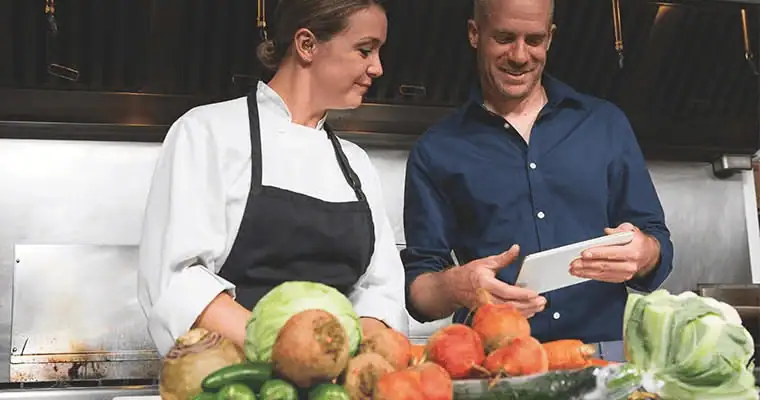
In the volatile supply chain of 2026, loyalty to a single broadline distributor can be a fatal mistake for a restaurant's bottom line. Thriving owners utilize “dynamic sourcing,” pitting multiple vendors against each other to find the best price on staples like eggs, flour, and oil.
When a restaurant stops price-shopping, vendors often slowly creep up their margins, knowing the owner is too busy to check the invoices. Smart operators spend at least two hours a week auditing invoices against market averages to ensure they aren't being overcharged. A “set it and forget it” attitude toward ordering is a luxury no modern kitchen can afford.
Not Pricing by “Weighted Contribution”
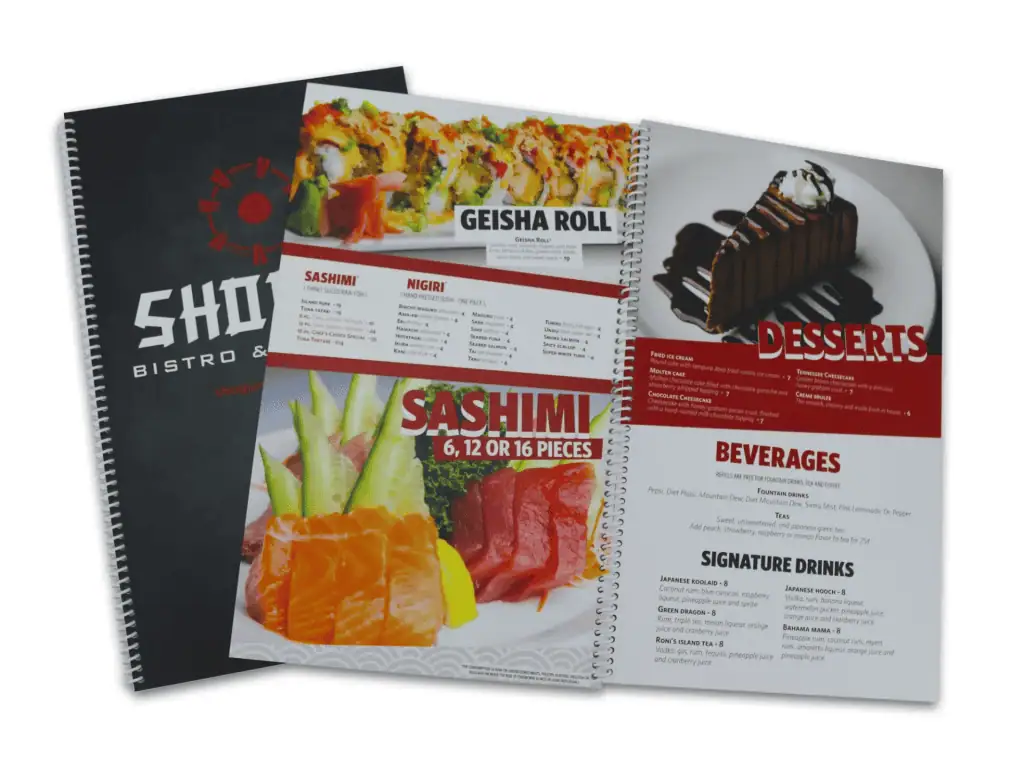
Many failing restaurants apply a flat 30% markup to every item on the menu, which is a fundamental misunderstanding of restaurant economics. Thriving businesses use “Menu Engineering” to identify “Stars” dishes that have both high popularity and high profit margins.
They may accept a lower margin on a signature steak if it drives high-margin cocktail sales, or use a “loss leader” to get people through the door. By focusing on the “weighted contribution” of the entire check rather than individual items, they maximize total profit. If you aren't directing guests toward your most profitable items, you are leaving money on the table.
Neglecting Inventory “Shrinkage”
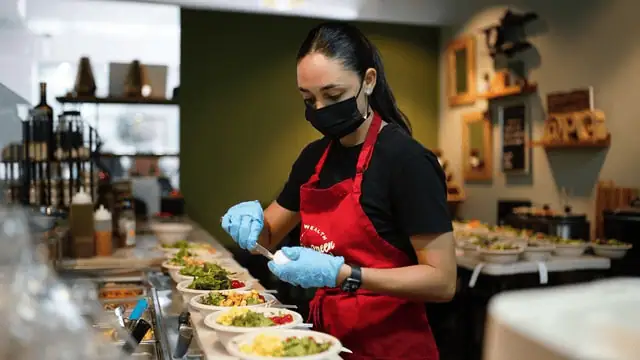
“Shrinkage,” or the loss of inventory through theft, spoilage, or over-pouring, is a plague that many struggling owners refuse to confront. In 2026, successful kitchens implement strict “scales-in, scales-out” policies where every ingredient is weighed upon arrival and again during prep.
Without a rigorous inventory system, it is impossible to know if your high food costs are due to bad pricing or a “leaky” kitchen. Many restaurants close simply because they didn't realize their staff was taking home expensive proteins or over-portioning high-cost sauces. Tight inventory control is not about lack of trust; it is about operational health.
Using Static Menus in a Variable Market
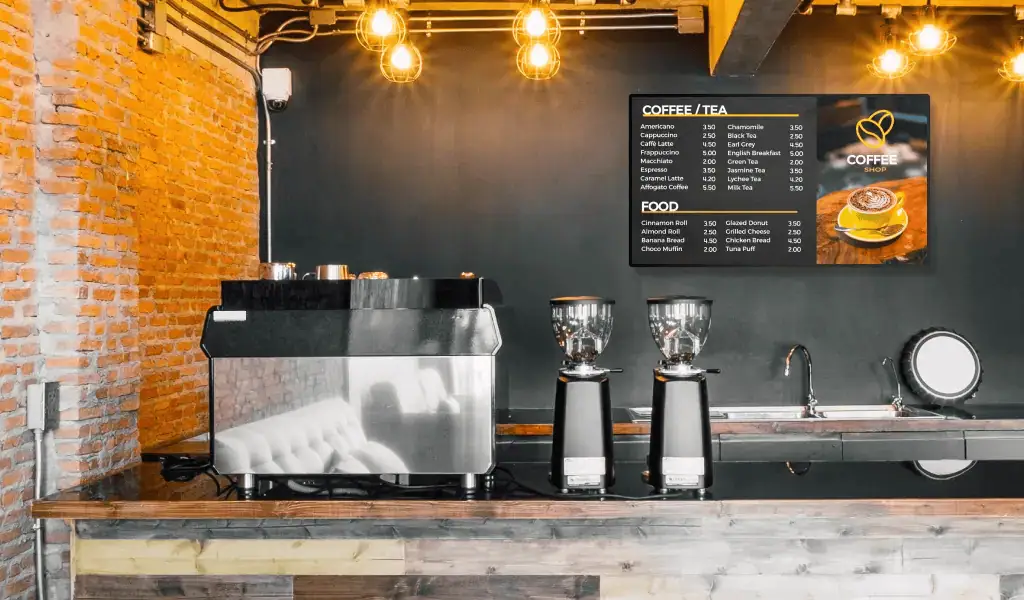
The era of the “printed-and-laminated” menu is dead for thriving 2026 restaurants, replaced by digital or “market-driven” daily inserts. When the price of avocado or salmon spikes unexpectedly, a static menu locks the restaurant into a loss-making price point for weeks.
Agile operators use digital QR menus or chalkboards to adjust prices or “86” items the moment ingredient costs become unsustainable. This flexibility allows them to maintain a consistent profit margin regardless of global market fluctuations. Failing to adapt your prices to your real-time costs is a recipe for a slow financial bleed.
High-Turnover “Menu Bloat”
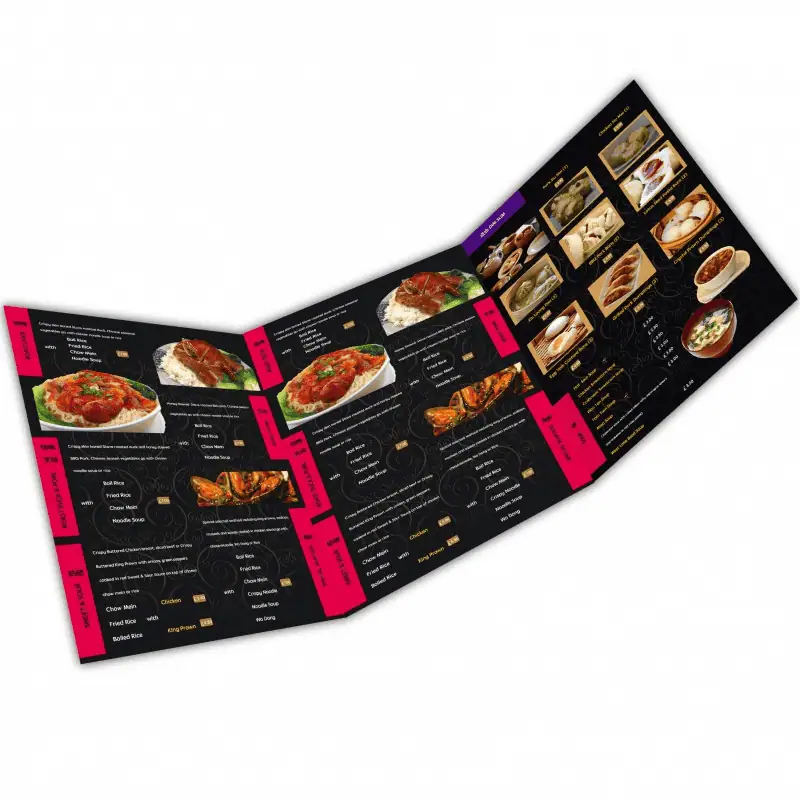
Struggling restaurants often try to please everyone by offering a massive, ten-page menu that requires an enormous, expensive inventory to maintain. This “menu bloat” leads to higher spoilage rates and more “dead stock” sitting on shelves, tying up vital cash flow.
Thriving 2026 kitchens focus on “cross-utilization,” where a single high-quality ingredient is used in five different ways across a smaller, focused menu. This reduces waste, simplifies prep, and allows the kitchen to buy in larger, more cost-effective quantities. A smaller, smarter menu is almost always more profitable than a sprawling one.
Lack of “Theoretical vs. Actual” Analysis

The most sophisticated restaurants in 2026 constantly compare their “Theoretical Food Cost” (what they should have spent based on sales) against their “Actual Food Cost.” If the gap between the two is more than 2%, it indicates a major operational flaw like over-portioning or kitchen errors.
Most restaurants that close never perform this analysis, leaving them blind to where their money is actually going. Success in the modern era requires an “analytical” chef who understands spreadsheets as well as they understand flavors. Bridging the gap between theory and reality is the final step in securing a restaurant's future.
