
10 Food Lies Americans Still Believe About “Healthy” Eating
Healthy eating advice in the U.S. has been shaped by decades of marketing, diet culture, and oversimplified rules. As a result, many widely accepted “truths” about food are either misleading or flat-out wrong. Labels like low-fat, organic, or sugar-free often sound reassuring, but they don’t always reflect nutritional reality. Over time, these ideas become habits, passed along without question. These ten food lies continue to influence everyday choices, quietly steering people away from balanced, realistic approaches to eating well.
Low-Fat Foods Are Always Healthier

Many Americans still believe that removing fat automatically makes food healthy. In reality, low-fat products often replace fat with added sugar, starches, or sodium to maintain flavor. This can lead to higher calorie counts and blood sugar spikes. Healthy fats play an important role in satiety, nutrient absorption, and hormone regulation. Demonizing fat oversimplifies nutrition and ignores quality. Foods with natural fats, when eaten in reasonable portions, are often more satisfying and nutritionally sound than heavily processed low-fat alternatives.
“Sugar-Free” Means Good for You

The term “sugar-free” gives many foods a health halo, even when they’re highly processed. These products often rely on artificial sweeteners or sugar alcohols, which can cause digestive issues and reinforce cravings for sweetness. Removing sugar doesn’t automatically improve nutritional value if the food lacks fiber, protein, or micronutrients. Many Americans assume sugar-free snacks are guilt-free, overlooking ingredient quality. True healthy eating focuses on overall balance, not just eliminating a single component.
Organic Automatically Equals Nutritious
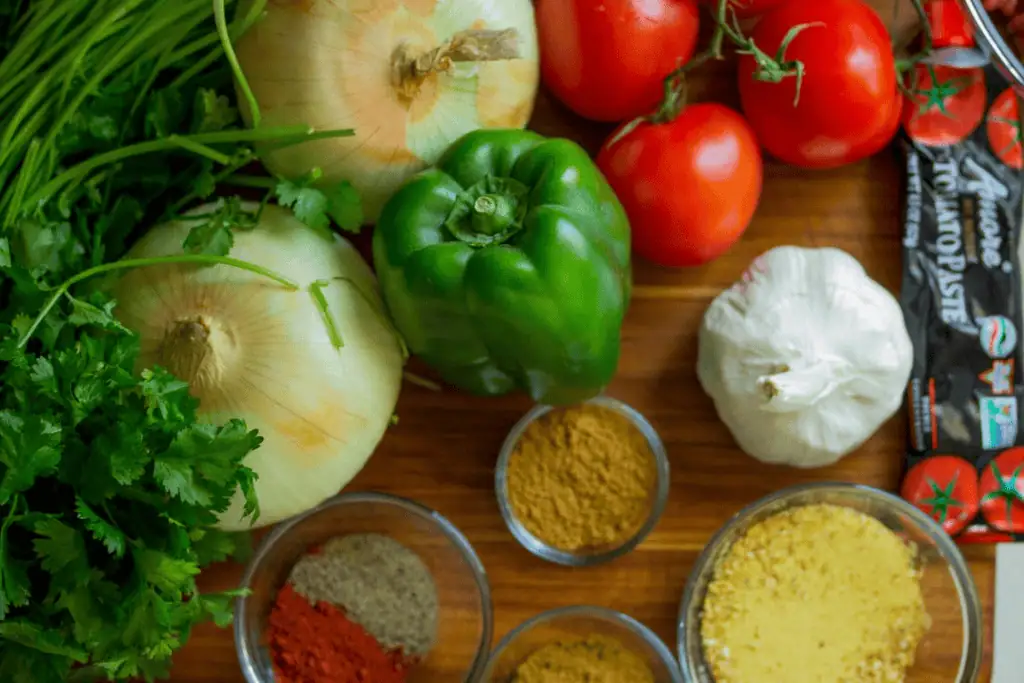
Organic labeling refers to how food is produced, not how nutritious it is. Organic cookies, chips, and candy are still junk food despite the label. Many Americans equate organic with healthy and overconsume processed organic products. While organic farming has environmental benefits, it doesn’t guarantee lower calories, better macros, or improved health outcomes. Nutritional value depends more on food type and preparation than certification. Vegetables are healthy whether organic or not, and sweets remain sweets either way.
Carbs Are the Enemy

Low-carb dieting has convinced many Americans that carbohydrates are inherently harmful. In reality, carbohydrates are a primary energy source and essential for brain function. The problem lies in refined carbs, not whole ones. Foods like fruits, vegetables, beans, and whole grains provide fiber, vitamins, and sustained energy. Treating all carbs the same ignores their diversity. Fear-driven avoidance often leads to unbalanced eating and unnecessary restriction rather than better health.
Fresh Is Always Better Than Frozen
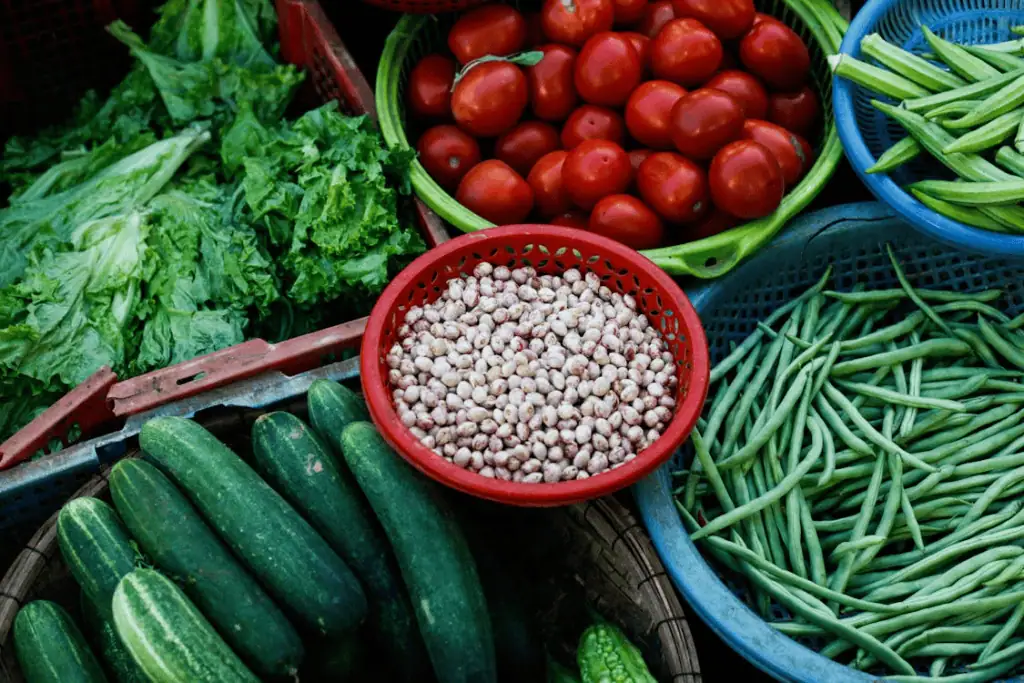
There’s a strong belief that fresh food is superior, but frozen produce is often just as nutritious. Fruits and vegetables are typically frozen at peak ripeness, preserving vitamins effectively. Fresh produce, especially when transported long distances, can lose nutrients over time. Frozen options are also more affordable and reduce food waste. Many Americans avoid frozen foods unnecessarily, assuming they’re inferior. In practice, frozen produce can make healthy eating more accessible and consistent.
Healthy Eating Is Expensive
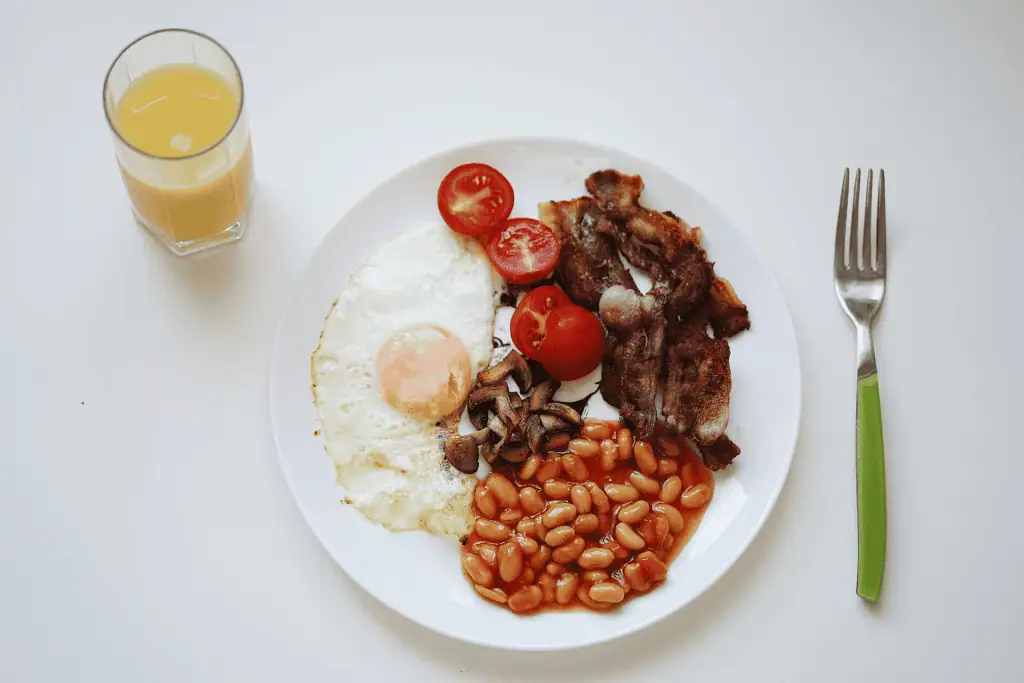
Many people believe eating healthy requires specialty stores, supplements, and premium products. This idea discourages sustainable habits. In reality, staples like beans, eggs, rice, oats, seasonal produce, and frozen vegetables are among the most affordable foods available. Marketing often equates health with luxury, but balanced meals don’t require trend-driven ingredients. Budget-friendly planning and simple cooking matter far more than expensive labels. Healthy eating is more about choices than price tags.
Skipping Meals Helps With Weight Control

Skipping meals is often framed as discipline, but it can backfire. Irregular eating can lead to energy crashes, overeating later, and disrupted metabolism cues. Many Americans skip breakfast or lunch, believing it supports weight loss, only to compensate with larger portions later. Consistent meals help regulate hunger hormones and support stable energy. Healthy eating isn’t about deprivation, but about predictable nourishment that supports long-term habits.
Juice Is Just as Good as Whole Fruit

Fruit juice is often marketed as a healthy alternative to soda, but it lacks the fiber found in whole fruit. Without fiber, sugar is absorbed more quickly, causing blood sugar spikes. Even 100 percent juice can contribute excess calories without satiety. Many Americans treat juice as a health food, overlooking portion size and frequency. Whole fruit offers chewing satisfaction, fiber, and better hunger control, making it a more balanced choice.
Protein Bars Are Always a Smart Snack
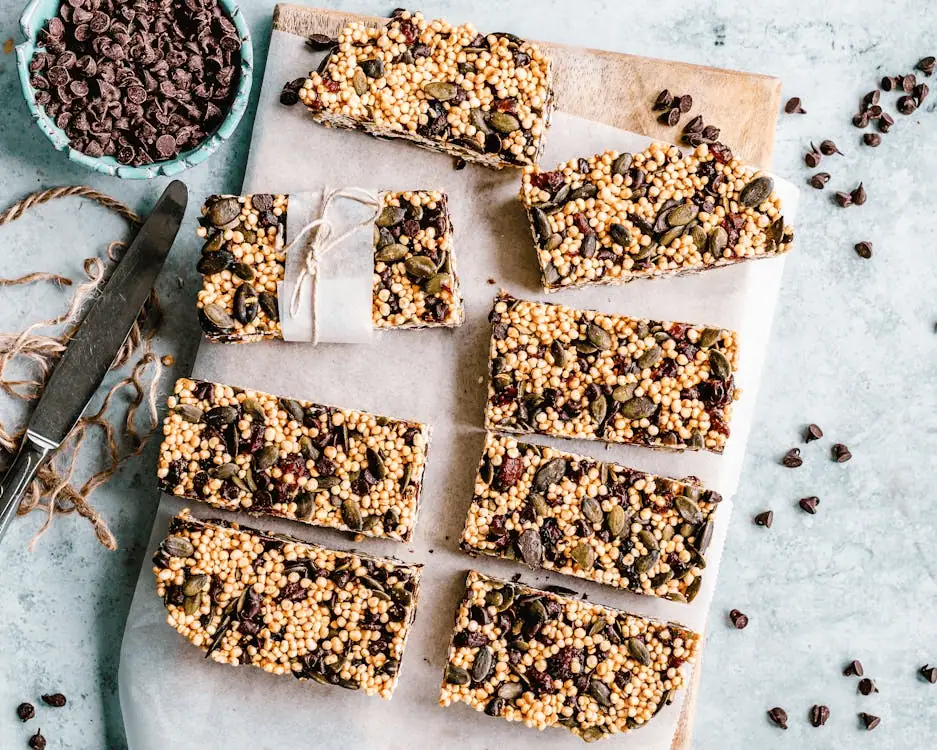
Protein bars are frequently seen as nutritious, but many are closer to candy bars in disguise. They often contain added sugars, refined oils, and long ingredient lists. While convenient, they shouldn’t replace whole-food protein sources regularly. Americans often rely on them without checking labels, assuming protein equals health. Real protein foods like yogurt, eggs, nuts, or beans provide more complete nutrition with fewer additives.
One “Perfect” Diet Works for Everyone
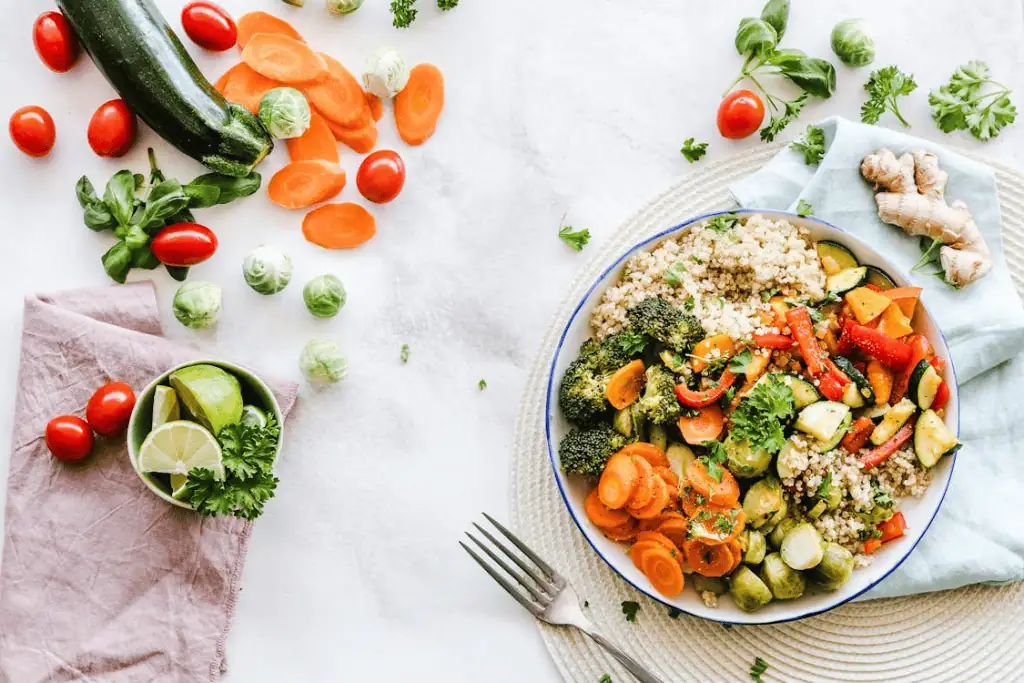
Perhaps the biggest lie is that there’s a single ideal way to eat. Nutrition needs vary based on age, activity level, health conditions, culture, and preferences. What works for one person may not work for another. Americans are often pushed toward rigid plans instead of flexible frameworks. Healthy eating is not about perfection or universal rules, but about consistency, variety, and sustainability over time.
