
12 Foods That Prove Not Every Flavor Is Meant to Be Loved
Taste isn’t just about flavor, it’s shaped by smell, texture, memory, and cultural exposure. While some foods are nearly universal crowd-pleasers, others divide people sharply, no matter how often they’re defended as “acquired tastes.” In many cases, repeated exposure doesn’t lead to appreciation, only tolerance. These foods aren’t failures, and they aren’t wrong, but they do prove that not every flavor is meant to be loved by everyone. Sometimes, dislike isn’t ignorance; it’s simply an honest response.
Natto
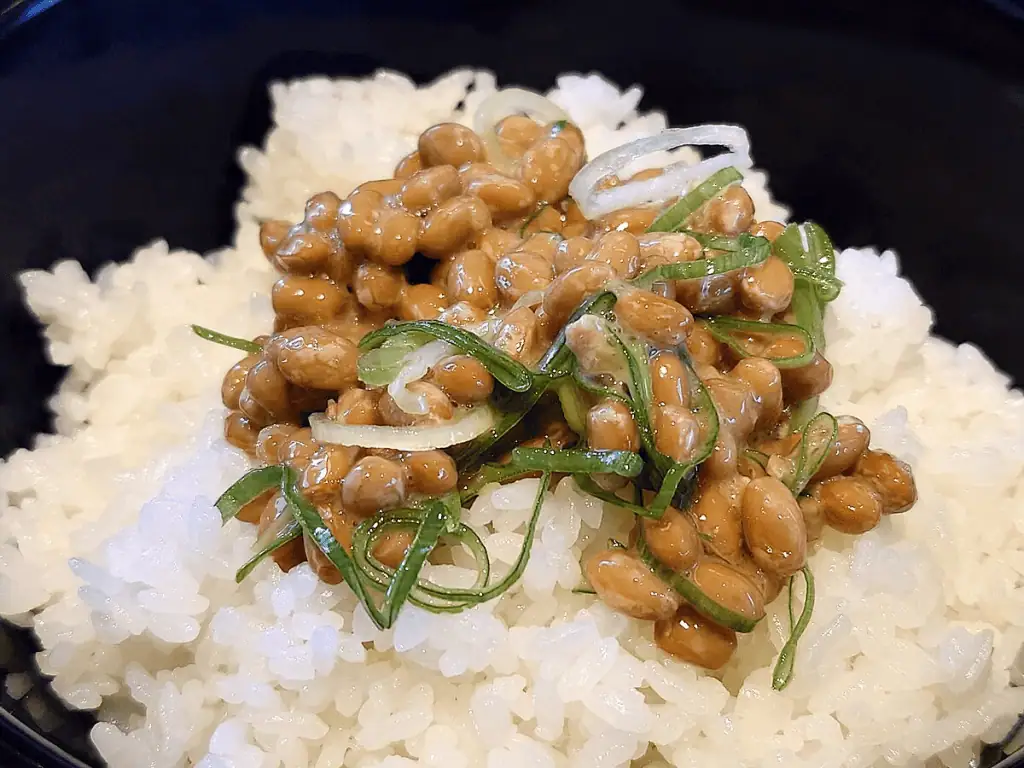
Natto is notorious for its sticky, stringy texture and strong fermented aroma, which many people find immediately overwhelming. Even before tasting, the appearance alone can be enough to trigger discomfort. While it’s celebrated for its nutritional value and cultural importance, especially in Japan, the flavor is sharp, earthy, and persistent. For many first-time eaters, repeated attempts don’t soften the reaction. Natto demonstrates how texture and smell can dominate taste perception, making enjoyment nearly impossible for some palates.
Durian

Durian’s reputation precedes it, largely because of its powerful odor, often compared to sulfur, onions, or spoiled food. While fans describe the flavor as creamy and complex, many people never get past the smell. Even those willing to taste it often struggle to reconcile the sweetness with the aroma. The experience can feel disorienting rather than intriguing. Durian proves that aroma plays a decisive role in whether a food feels appealing, regardless of how beloved it is elsewhere.
Bitter Melon

Bitter melon delivers an intense bitterness that defines the entire eating experience. Unlike mild bitterness found in coffee or leafy greens, this bitterness is sharp and unrelenting. It’s often prepared carefully in traditional dishes, but for many eaters, no amount of seasoning fully offsets the taste. While valued for health benefits, it can feel more medicinal than enjoyable. Bitter melon highlights how bitterness, when too dominant, can cross the line from complex to unpleasant.
Black Licorice
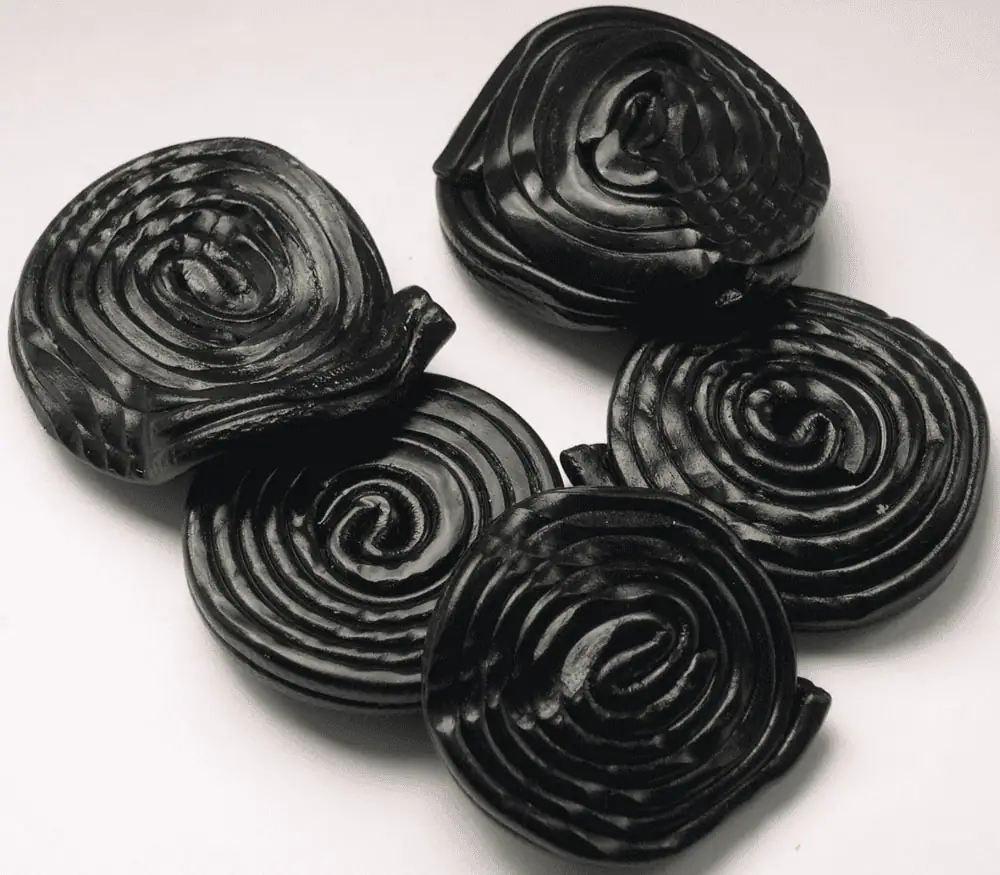
Black licorice is one of the most polarizing flavors in the food world. Its strong herbal sweetness and medicinal notes linger long after each bite. For fans, that intensity is the appeal. For others, it’s overwhelming and difficult to escape. Even small amounts can dominate the palate. Cultural familiarity helps some people enjoy it, but many never adjust. Black licorice proves that intensity without balance can permanently divide opinion.
Blue Cheese
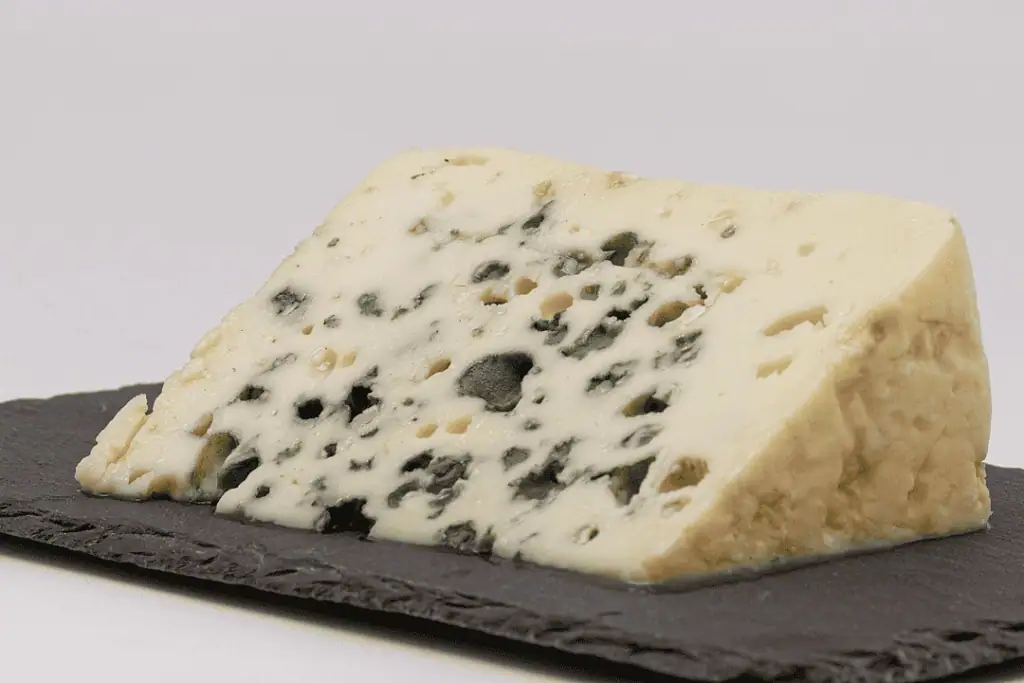
Blue cheese challenges eaters through both appearance and flavor. The visible mold can be off-putting before tasting even begins, and the aroma is unmistakably strong. Flavor-wise, it combines saltiness, sharpness, and funk in a way that can easily overwhelm. While enthusiasts praise its depth, critics find it aggressive and intrusive. Even when used sparingly, it can dominate a dish. Blue cheese shows how complexity doesn’t always equal accessibility.
Vegemite
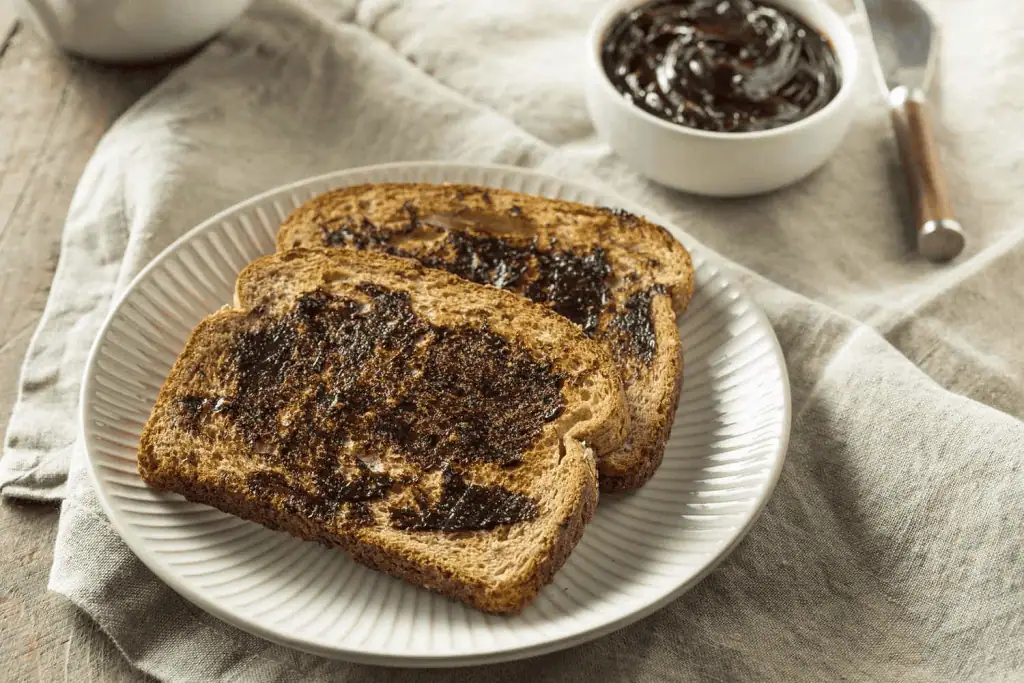
Vegemite often disappoints first-time eaters because expectations don’t match reality. Thick, salty, and bitter, it’s far more intense than many spreads people are used to. When applied too generously, it can taste harsh and unbalanced. Even when used correctly, the flavor remains assertive. Deeply loved by those who grew up with it, Vegemite often fails to win over newcomers. It illustrates how familiarity shapes whether a flavor feels comforting or shocking.
Anchovies

Anchovies deliver a powerful combination of salt, oiliness, and fish-forward flavor. Even small quantities can overwhelm a dish for people sensitive to strong seafood notes. While chefs value anchovies for umami depth, casual eaters often find them too aggressive. The smell alone can deter tasting. Anchovies show how intensity, even when technically valuable, can push a flavor beyond enjoyment for many people.
Olives
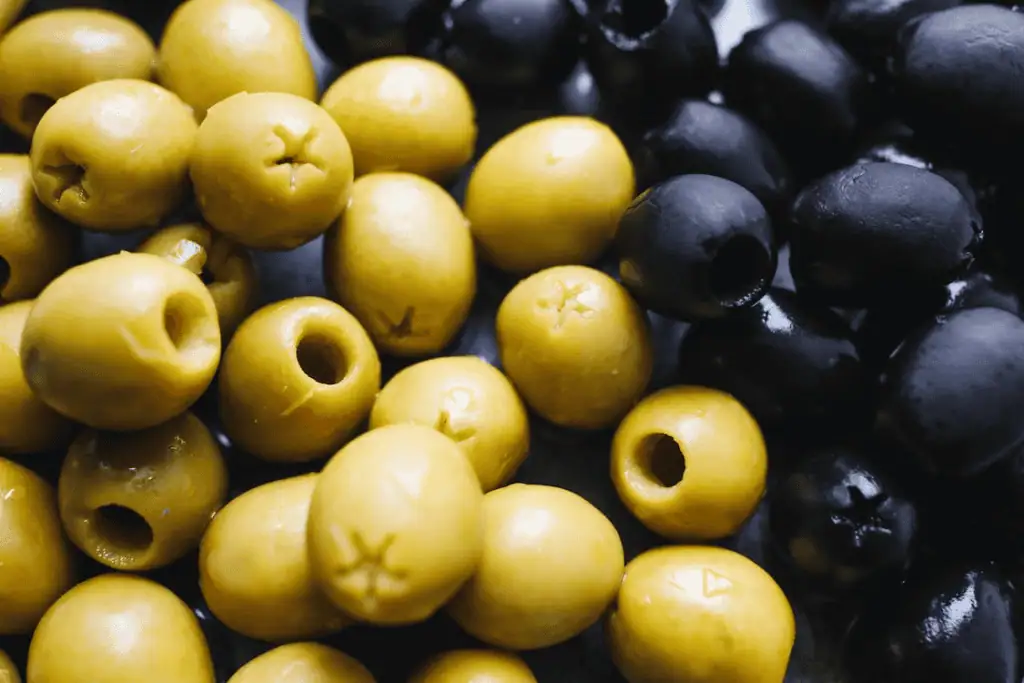
Olives are widely used, yet surprisingly disliked by many. Their briny bitterness and firm texture don’t align with typical snack expectations. Even people who enjoy olive oil may dislike whole olives. Repeated exposure helps some, but others never adjust. The flavor can feel sharp, salty, and persistent. Olives demonstrate how salt and bitterness together can be more polarizing than either flavor alone.
Limburger Cheese

Limburger’s reputation is driven largely by its smell, which many people find unbearable. The aroma often discourages tasting altogether. Interestingly, the flavor itself can be milder than expected, but anticipation ruins the experience. For many, the smell overwhelms every other sensory input. Limburger proves that perception begins before taste, and sometimes that first impression is impossible to overcome.
Sea Urchin (Uni)
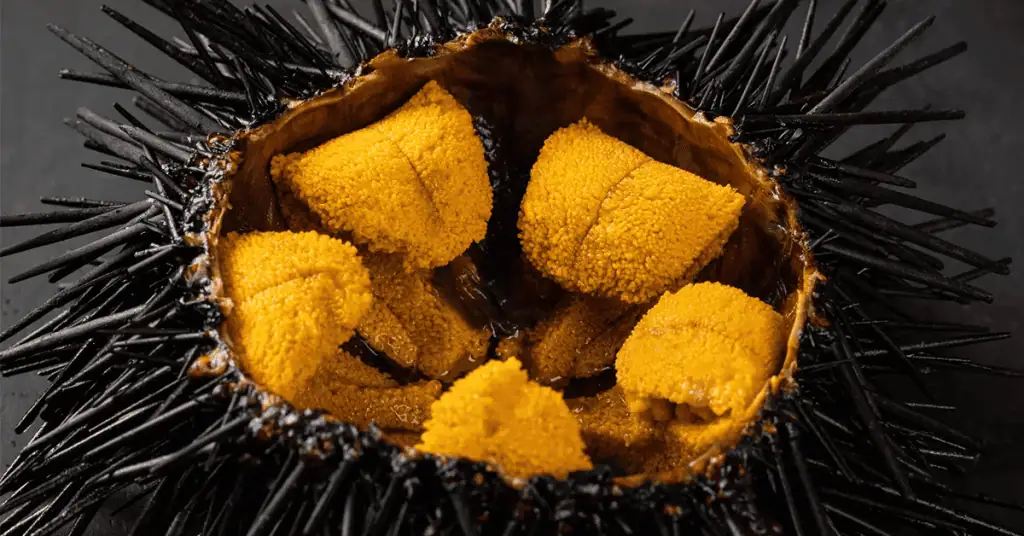
Uni is prized for its creamy texture and ocean-forward flavor, but those same qualities repel others. The richness can feel excessive, and the briny sweetness doesn’t match typical seafood expectations. Texture plays a major role in rejection, as uni can feel soft to the point of discomfort. While considered a delicacy, it often divides even adventurous eaters. Uni shows that luxury doesn’t guarantee universal appeal.
Fermented Shark

Fermented shark is known for its strong ammonia-like smell and lingering aftertaste. Even people familiar with fermented foods often struggle with its intensity. The fermentation amplifies flavors far beyond what many find tolerable. Trying it once is often enough. While culturally significant, it’s rarely enjoyed casually. Fermented shark proves that some flavors are more about tradition than pleasure.
Unsweetened Cocoa
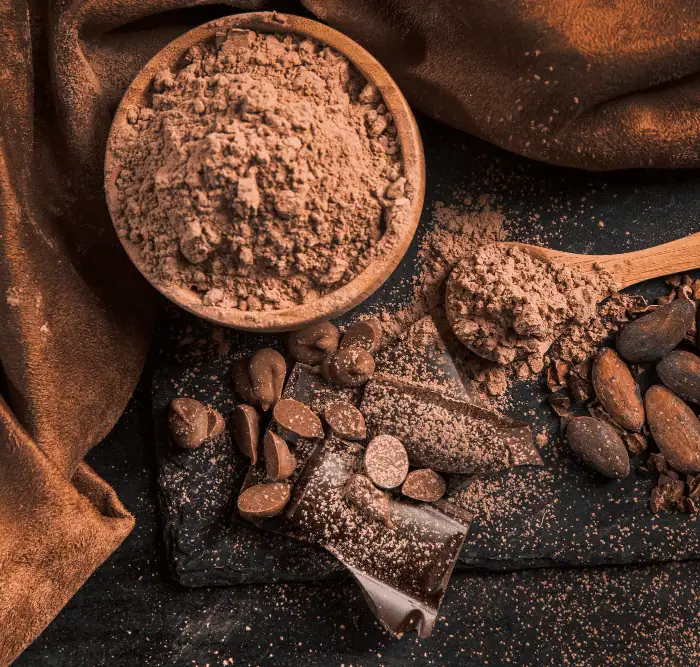
Unsweetened cocoa surprises many with its extreme bitterness and dryness. Without sugar or fat to soften it, the flavor can feel harsh and astringent. While admired for purity and depth, it’s rarely consumed alone. Most people prefer cocoa when balanced with sweetness. This ingredient demonstrates how processing and pairing are essential to making certain flavors approachable.
