
I stopped meal-prepping to save money and here’s the 5 food cost mistakes I didn’t expect
I stopped meal-prepping because it felt like a practical way to save money. No more bulk grocery runs, no rigid plans, no containers taking over the fridge. I assumed buying food only when I needed it would naturally lower my spending. What actually happened was subtler and more expensive. Without structure, my food costs didn’t spike dramatically but they crept upward through small, easy-to-miss decisions that added up over time. These are the food cost mistakes I didn’t expect once meal prep was gone.
Buying Smaller Quantities Raised My Cost Per Meal

Without meal prep, I started shopping in short bursts, picking up food for a day or two instead of planning for the week. It felt efficient and waste-conscious, but the math worked against me. Smaller packages almost always cost more per unit, especially for proteins, pantry staples, and pre-cut produce. Single chicken breasts, half bags of grains, and convenience-sized items quietly replaced bulk options. I wasted less food, but I paid more for every usable portion. The savings I expected from flexibility disappeared into higher per-meal prices that were easy to ignore individually but significant in total.
Convenience Foods Filled the Planning Gap
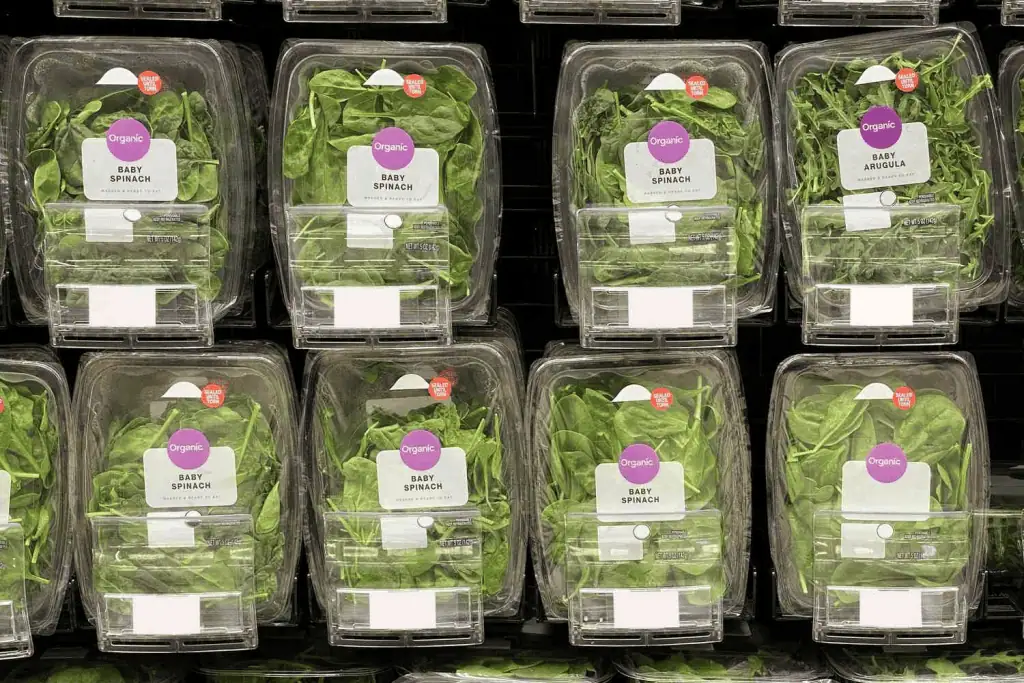
When meals weren’t planned, convenience stepped in. Pre-washed greens, ready-made sauces, marinated proteins, and microwave-friendly options started to feel like “reasonable compromises.” Each item saved time, but each carried a markup. Meal prep had forced me to do more work upfront, washing, chopping, and portioning, but it also kept ingredient costs low. Without that routine, I paid extra for labor I used to do myself. The grocery bill didn’t feel extravagant, but it became consistently higher because more of what I bought was designed to save effort, not money.
Takeout Became a Default, Not a Treat

One of the biggest surprises was how quickly takeout shifted from occasional convenience to quiet routine. Without something ready at home, busy days made ordering food feel logical rather than indulgent. Even inexpensive takeout adds up when it replaces multiple home-cooked meals each week. Delivery fees, service charges, and tips pushed costs well beyond menu prices. Meal prep had acted as a buffer, removing decision-making at the end of the day. Without it, convenience spending filled the gap, turning small, frequent orders into a major budget leak.
Food Decisions Started Happening When I Was Hungriest

Meal prepping had forced decisions to happen once a week, when I wasn’t rushed or starving. After stopping, most food decisions happened in the moment, usually when I was tired, hungry, or short on time. That’s when expensive choices feel justified. Grabbing snacks at checkout, upgrading ingredients impulsively, or choosing faster options over cheaper ones became common. Hunger-driven decisions tend to prioritize immediacy over cost, and without realizing it, I optimized for speed and satisfaction rather than value.
Leftovers Became Accidental and Underused

Ironically, quitting meal prep didn’t eliminate leftovers; it made them harder to manage. Instead of intentional portions designed to be eaten later, leftovers became random fragments of meals with no clear plan. No labels, no timing, no assigned purpose. Some went uneaten because they didn’t feel like a “real meal,” while others were forgotten until they spoiled. Meal prep had given leftovers structure and identity. Without that system, food waste crept back in, quietly undoing the savings I thought I was protecting.
