
7 Surprising Foods That Pack More Fiber Than Chia
Fiber is a crucial component of a balanced diet, often found in foods like chia seeds. However, other unexpected sources offer even more fiber per serving. Understanding these alternatives can enhance your meal's nutritional impact and offer variety. Whether you're looking to improve digestion, control blood sugar levels, or simply add texture, exploring these fiber-rich foods will elevate your culinary creations.
Avocados: Creamy Fiber Boosters

Avocados are a surprising yet phenomenal source of fiber, delivering around 10 grams per cup. Their creamy texture makes them versatile, perfect for spreading on toast or blending into smoothies. When selecting avocados, choose ones that yield slightly to gentle pressure for optimal ripeness. Incorporating them into salads or salsas enhances both flavor and nutritional content. For an additional layer of taste, sprinkle with a touch of lime juice and sea salt.
Artichokes: Fiber-Rich Delights
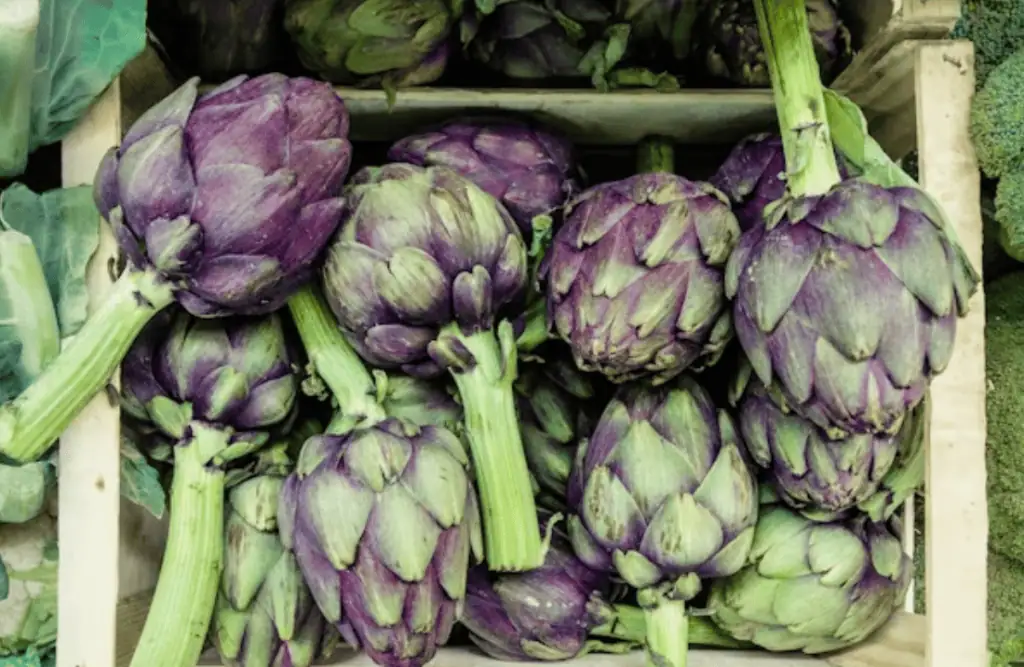
Artichokes stand out with nearly 7 grams of fiber per medium-sized globe. Their leaves offer a tender meatiness that pairs well with garlic and lemon. To prepare, trim the thorny tips and steam until tender. Serve with a simple vinaigrette or garlic aioli for dipping, letting the natural earthy flavor shine. Removing the fuzzy choke can be tedious, but the reward is the heart—a concentrated fiber treat worth the effort.
Lentils: The Fiber Powerhouses

Lentils, with their robust 15 grams of fiber per cup, are a staple in many cuisines and a powerhouse of nutrition. Available in various colors, each lends a distinct texture, from the firm black beluga to the softer red varieties. Cook lentils with aromatic herbs, onions, and carrots for a satisfying stew or soup. Their ability to absorb flavors makes them a versatile ingredient, enriching everything from salads to curries.
Raspberries: Sweet Fiber Gems
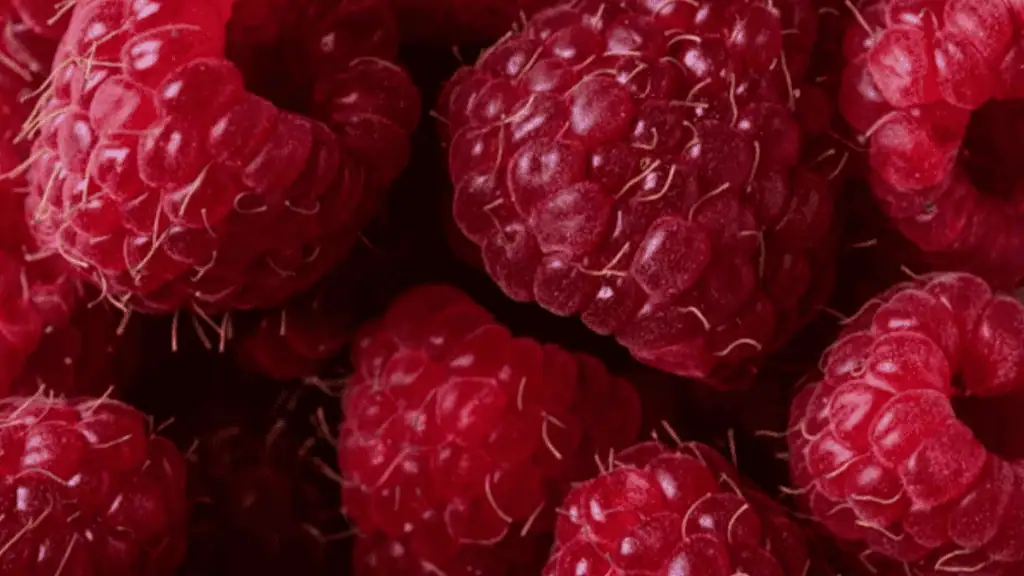
Raspberries provide a sweet way to enhance fiber intake, offering 8 grams per cup. Their bright, tart flavor complements both sweet and savory dishes. To maximize freshness, select raspberries that are firm and vivid in color. These can be tossed into morning oatmeal, blended into yogurt, or enjoyed fresh with a drizzle of honey. For a creative twist, try adding them to a vinaigrette for a subtly fruity salad dressing.
Black Beans: Fiber-Packed Legumes

Black beans offer a robust dose of fiber, making them a versatile kitchen staple. With about 15 grams per cup, they're perfect for soups, salads, or as a side dish. To prepare them effectively, rinse canned beans under cold water to remove excess sodium and preservatives. If using dried beans, soak them overnight and simmer gently until tender, adding bay leaves for flavor. Black beans absorb spices well; incorporate cumin or smoked paprika for depth. Their creamy texture blends smoothly, enhancing dishes like black bean tacos or a hearty vegetarian chili.
Pears: Juicy Fiber Wonders

Pears are not only deliciously sweet but are also remarkably high in fiber, with up to 6 grams per medium-sized fruit. Choose pears that yield slightly to pressure at the stem end. When using them in recipes, keep the skin on to maximize fiber content. They can be poached, sliced into salads, or baked with a sprinkle of cinnamon for a comforting dessert. For a savory twist, pair pears with sharp cheeses or incorporate them into a tangy chutney. Their refreshing juiciness brings a delightful balance to rich or spicy dishes.
Quinoa: The Ancient Fiber Source

Quinoa, prized for its high fiber content, offers about 5 grams per cooked cup and is a complete protein, too. Rinse quinoa under cold water to remove its natural saponin coating, which can taste bitter. Cook it in a 2:1 ratio of liquid to quinoa, using broth instead of water for added flavor. Simmer until translucent and fluffy. Quinoa's versatility shines in salads with fresh herbs and vegetables, or as a nutrient-rich side to protein dishes. Its nutty taste complements roasted vegetables, and it serves as an excellent base in stuffed peppers or bowls.
