
Why Dubai Is Quietly Becoming the New Capital of the Global Food Trade
Dubai is no longer just a luxury dining destination; it is rapidly positioning itself as a backbone of the global food trade. While the change isn’t loud, it is structural. Trade routes, storage capacity, policy incentives, and regional demand are aligning in Dubai’s favor. Instead of producing food, the city is mastering how food moves, scales, and reaches markets. This behind-the-scenes role is quietly reshaping global supply chains in ways many consumers never see.
Geography That Favors Global Movement

Dubai’s geographic position gives it a rare advantage in food logistics. Sitting between Asia, Europe, and Africa, it allows suppliers to reach billions of consumers within short shipping windows. This reduces spoilage risk for perishables and lowers transit costs. As global food trade prioritizes speed and reliability, Dubai’s location functions as a natural consolidation point, enabling products to be redistributed efficiently across continents without relying on a single dominant market.
Infrastructure Built for Food at Scale
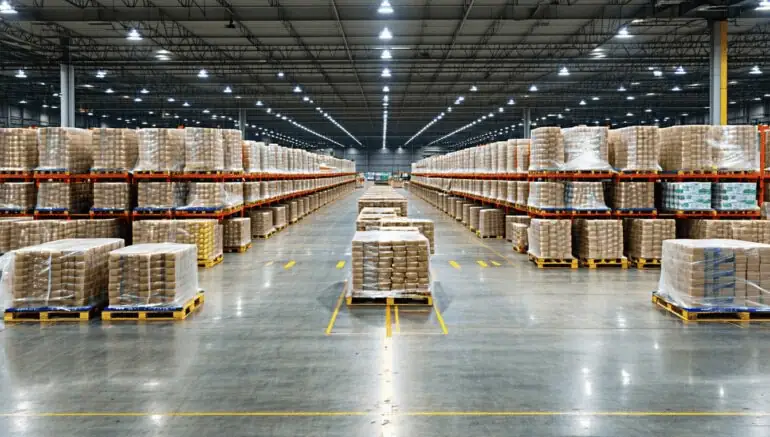
Dubai has invested heavily in ports, cold storage, and food-specific logistics zones designed to handle massive volumes. Advanced refrigeration, automated handling, and streamlined customs processes make it easier for companies to move fresh, frozen, and shelf-stable foods. Unlike traditional food hubs that evolved gradually, Dubai’s infrastructure was purpose-built for modern trade. This allows it to support global demand without the congestion or aging systems seen elsewhere.
Policy and Trade Incentives

One reason food companies gravitate toward Dubai is its business-friendly trade environment. Reduced tariffs, simplified import procedures, and free-zone models lower barriers for international suppliers. These policies attract exporters who want access to multiple regions through one base. Instead of negotiating dozens of bilateral routes, companies can centralize operations. This efficiency is critical as food margins tighten and global competition increases.
Feeding a Growing Import-Dependent Region
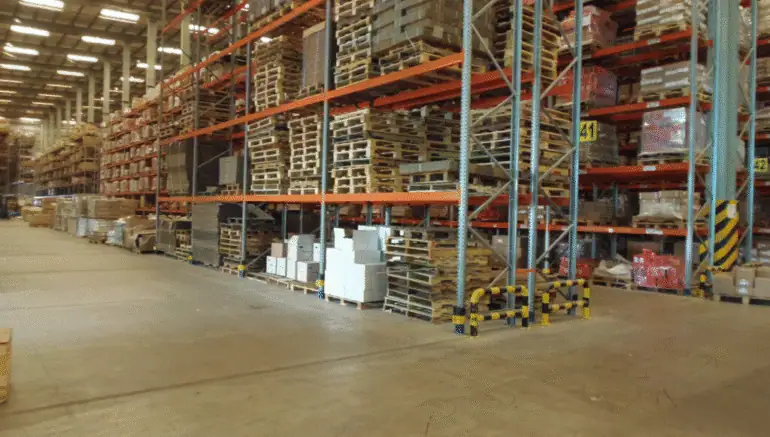
The Middle East imports a significant portion of its food, and Dubai has positioned itself as the region’s primary gateway. Population growth, climate constraints, and urbanization drive constant demand for reliable food flows. Dubai’s role as a stable distribution hub ensures consistent access, not just for the UAE but for neighboring countries. This regional dependency strengthens Dubai’s influence within global food networks.
Technology and Transparency in Trade

Dubai is integrating digital tracking, blockchain systems, and AI-driven logistics into food trade operations. These tools improve traceability, reduce fraud, and increase trust between buyers and sellers. As global food trade faces scrutiny around safety and sourcing, transparency becomes a competitive advantage. Dubai’s adoption of these systems makes it attractive to multinational players who need compliance and accountability at scale.
Why the Shift Is Happening Now
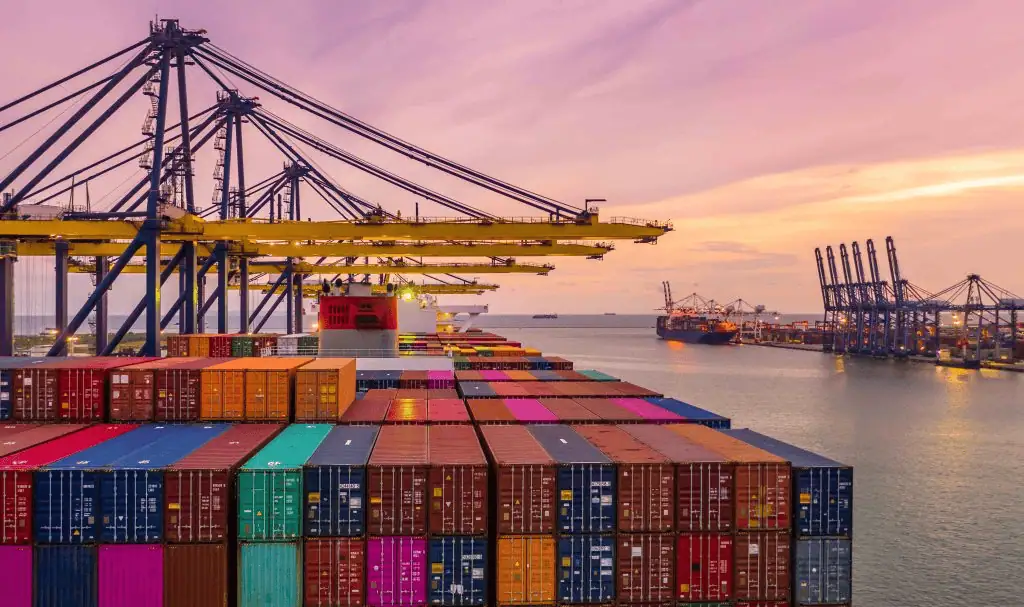
Dubai’s rise comes as traditional food trade centers face congestion, regulatory complexity, and geopolitical uncertainty. Companies are diversifying routes to reduce risk. Dubai offers neutrality, efficiency, and long-term planning, making it a strategic alternative rather than a replacement. The city isn’t trying to dominate food culture; it’s building the invisible systems that move food globally. That quiet focus is exactly why its influence is growing.
