
Why Frozen Fruit Isn’t Always the Healthiest Pick
Frozen fruit often comes across as a convenient and versatile choice, promising a splash of natural sweetness in our smoothies, desserts, and breakfast bowls. However, despite the convenience and year-round availability, frozen fruit isn’t always the healthiest option. It’s crucial to understand what happens to fruit during freezing and how it compares nutritionally to its fresh counterpart. By examining nutrient retention, added sugars, and sensory experience, we can make informed choices in our kitchens.
Frozen vs. Fresh: Key Differences
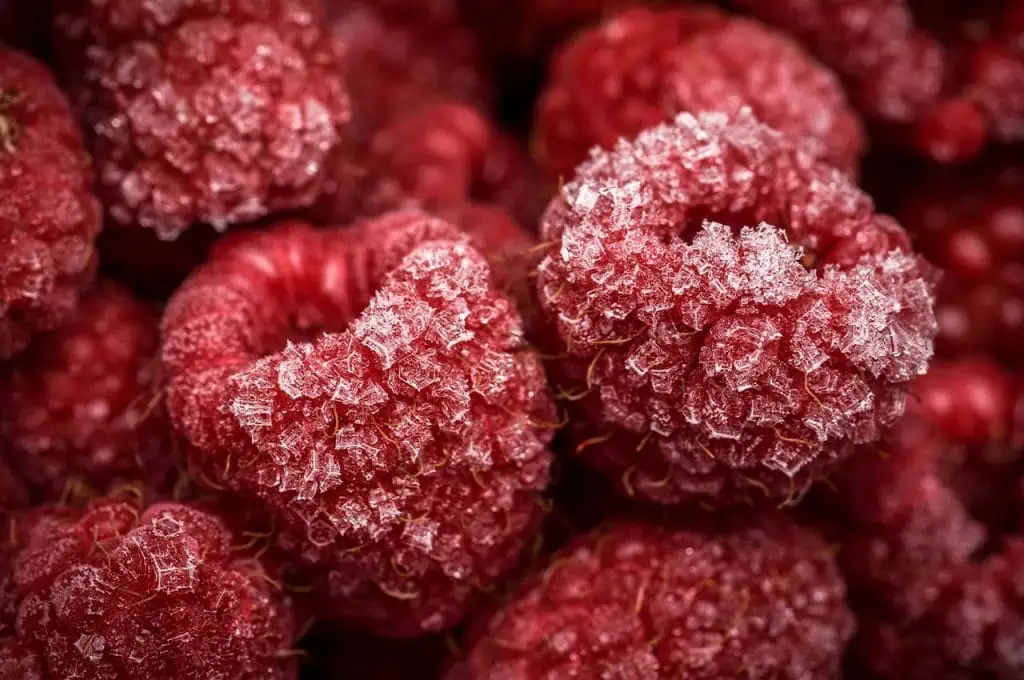
Frozen fruit offers convenience and extended shelf life but differs fundamentally from fresh fruit in several ways. Once picked, fruits intended for freezing are processed within hours to lock in nutrients. However, this preservation method can’t completely match the taste and texture of fresh fruit. Fresh fruit, harvested in season, typically retains higher levels of nutrients if consumed soon after harvest. The decision between fresh and frozen may come down to priorities in texture, taste, and nutrient density.
Nutrient Loss: The Freezing Effect
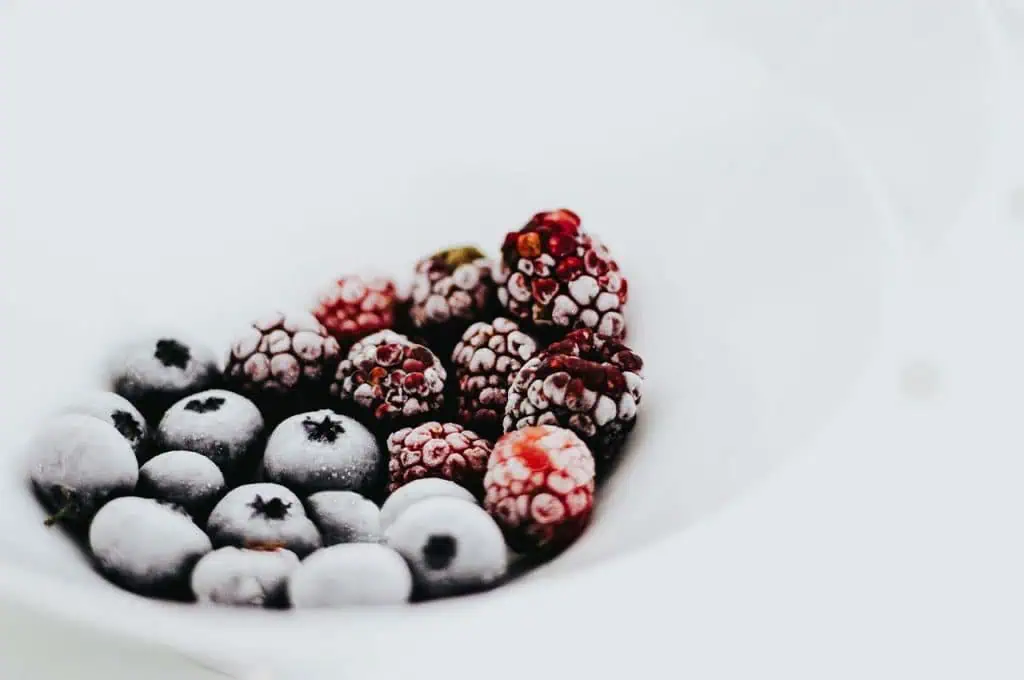
Freezing does arrest the degradation of nutrients, but the process itself can lead to some loss, particularly in more sensitive vitamins. Vitamin C and folate, for instance, are more prone to decline during the initial blanching and freezing stages. While the nutritional gap isn’t vast in all cases, it is enough to consider when choosing fruit as a primary source of these nutrients. Understanding this subtle difference helps in balancing dietary choices, ensuring fresher options when nutrient intake is a priority.
Added Sugars: A Sweet Surprise
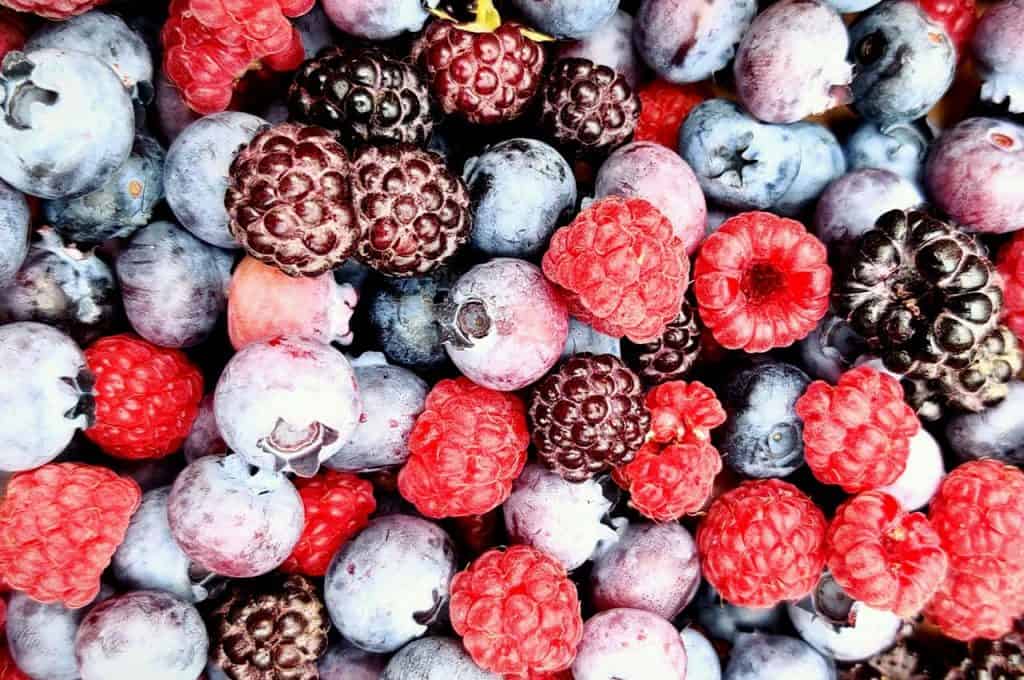
Many commercially frozen fruits come with added sugars to enhance taste and preserve color, which may counteract the health benefits. Reading labels carefully is essential to avoid blending a sugar-laden option into an otherwise healthy diet. Opt for unsweetened varieties, where possible, to retain control over sugar intake. Awareness of this common addition enables more health-conscious decisions and supports the choice for more naturally sweet options when genuine fruit flavor is desired.
Texture and Flavor: Fresh vs. Frozen
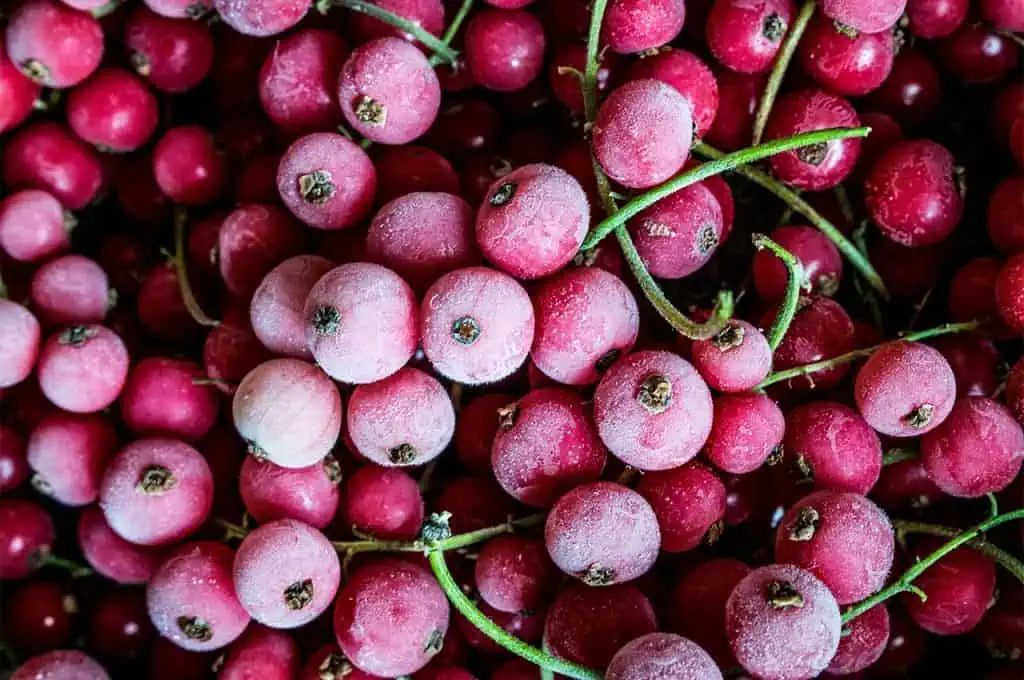
The freezing process significantly alters the texture and flavor profile of fruits. Upon thawing, cell structures can break down, resulting in a softer, sometimes ‘mushy’ texture compared to the crispness of fresh fruit. This change can also affect taste, often resulting in a dulled flavor experience. While some recipes benefit from these changes, like smoothies or purées, others, particularly those requiring the textural integrity of fruit like fresh salad toppings might suffer.
The Convenience Factor: When Frozen Wins
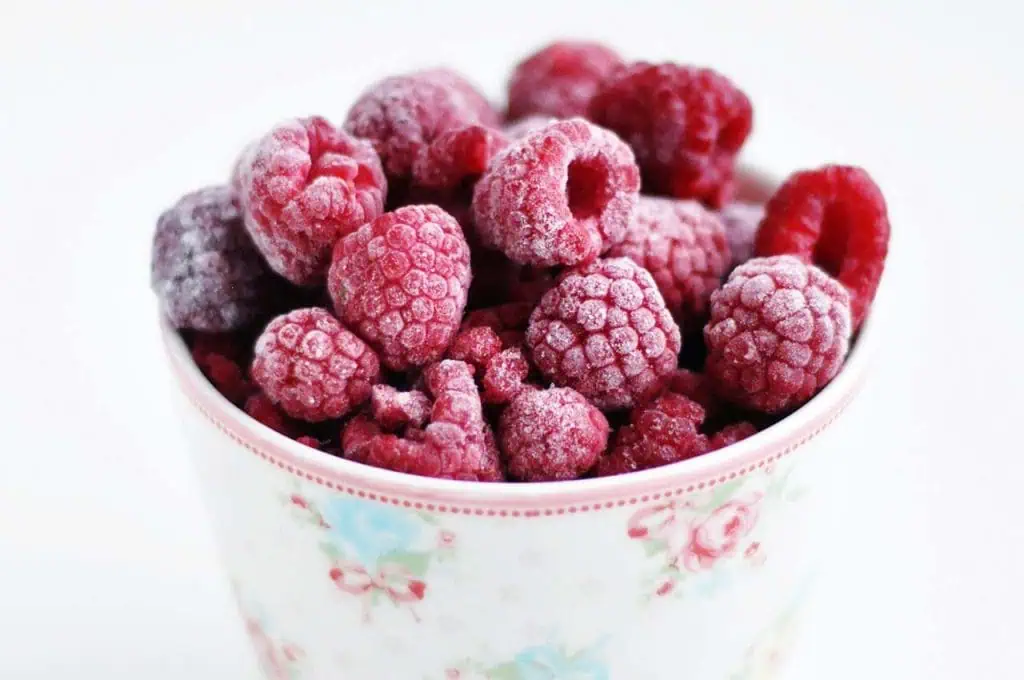
Frozen fruit offers unparalleled convenience for home cooks, providing ready-to-use ingredients without the fuss of peeling or slicing. It can be a perfect choice for smoothies, desserts, and quick breakfasts when time is short. The process of flash freezing preserves much of the nutritional value at its peak ripeness, making it a practical choice. However, it’s important to check for added sugars or syrups, as they can detract from the benefits. Let the texture of frozen fruits guide you: softer textures work best in blended dishes, while firmer options are suitable for baking.
Pesticides and Processing: Hidden Truths
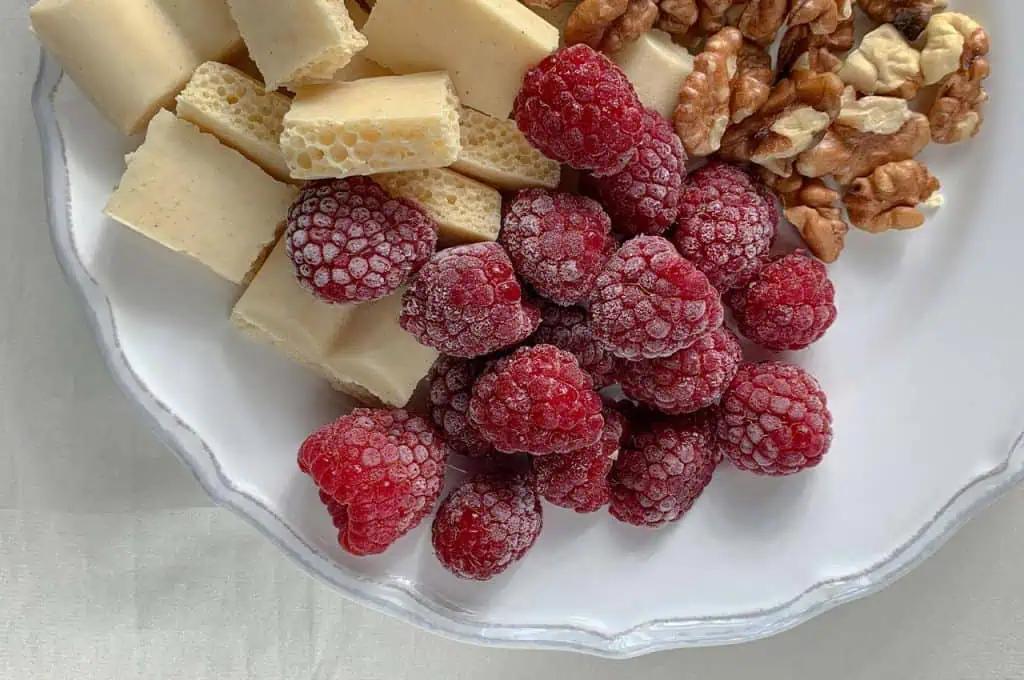
While frozen fruit is often marketed as a more convenient and long-lasting option, it doesn’t always escape the pitfalls of pesticides. Many fruits undergo processing methods where additives like preservatives or sweeteners may be introduced, affecting nutritional purity. Although washing fruit before freezing can reduce surface residues, it’s not foolproof. Choosing brands committed to using organic farming practices can mitigate some of these concerns. For the health-conscious consumer, scrutinizing labels and opting for brands that prioritize fresh-to-freeze methods without additives is key.
Balancing Your Bowl: Smart Tips

To maximize health benefits, incorporate a mix of fresh and frozen fruits into your diet. Fresh fruits add texture and vibrant flavor, while frozen options provide ease and consistency, helping to manage your budget and reduce waste. Pair fruits with a source of protein, such as yogurt or nuts, to enhance satiety and nutrient absorption. When incorporating frozen fruit, thaw them slightly to soften textures and unleash natural sweetness. A balanced approach allows you to enjoy the convenience of frozen fruits while still gaining the broad spectrum of nutrients fresh fruits offer.
