
The 10 Best Bakeries in US
Across the United States, bakeries have become more than neighborhood stops for bread and sweets. Many now function as culinary landmarks, blending old-world techniques with modern creativity. What separates the best from the rest is consistency, ingredient quality, and a clear point of view. These bakeries don’t rely on trends alone they’ve built loyal followings by doing a few things exceptionally well, day after day. From flaky pastries to naturally leavened bread, these ten bakeries represent the highest level of American baking right now.
Tartine Bakery – San Francisco, California
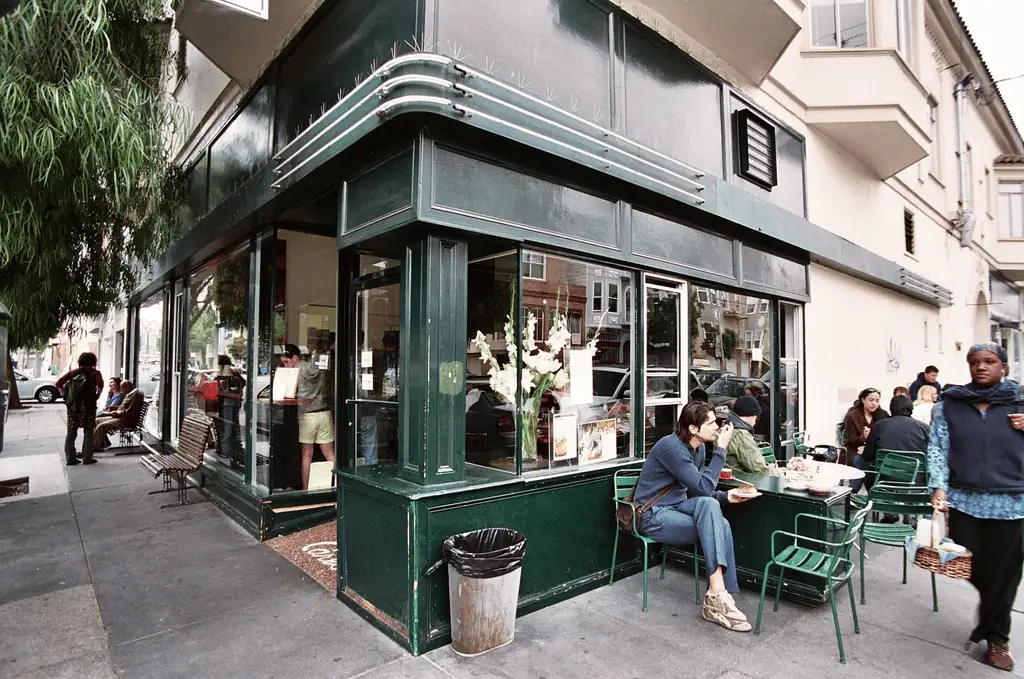
Tartine Bakery is often credited with helping popularize naturally leavened bread in the U.S. Its country loaves feature deep flavor, crackling crusts, and an open crumb that reflects careful fermentation. Beyond bread, Tartine’s pastries balance richness with restraint, avoiding excess sweetness. Long lines are common, yet quality remains consistent. The bakery’s influence extends far beyond San Francisco, shaping how Americans think about artisan bread and elevating expectations nationwide.
Levain Bakery – New York City, New York
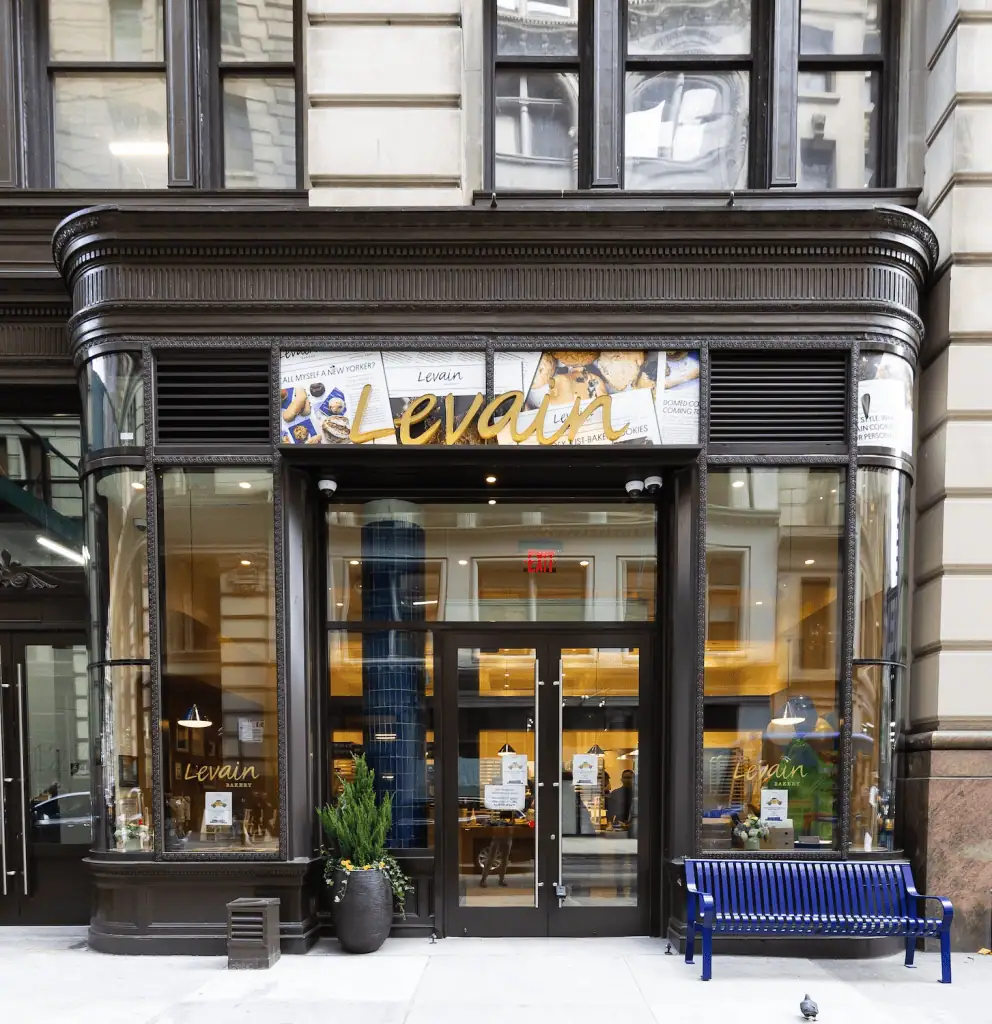
Levain Bakery became famous for its oversized cookies, but its bread program is equally respected. Dense, crusty loaves and buttery pastries reflect a commitment to traditional technique. The bakery’s approach favors substance over refinement, which resonates with customers seeking comfort and indulgence. Despite national expansion, Levain maintains a handmade feel. Its success shows how a focused identity, built on quality and generosity, can scale without losing credibility.
Boudin Bakery – San Francisco, California
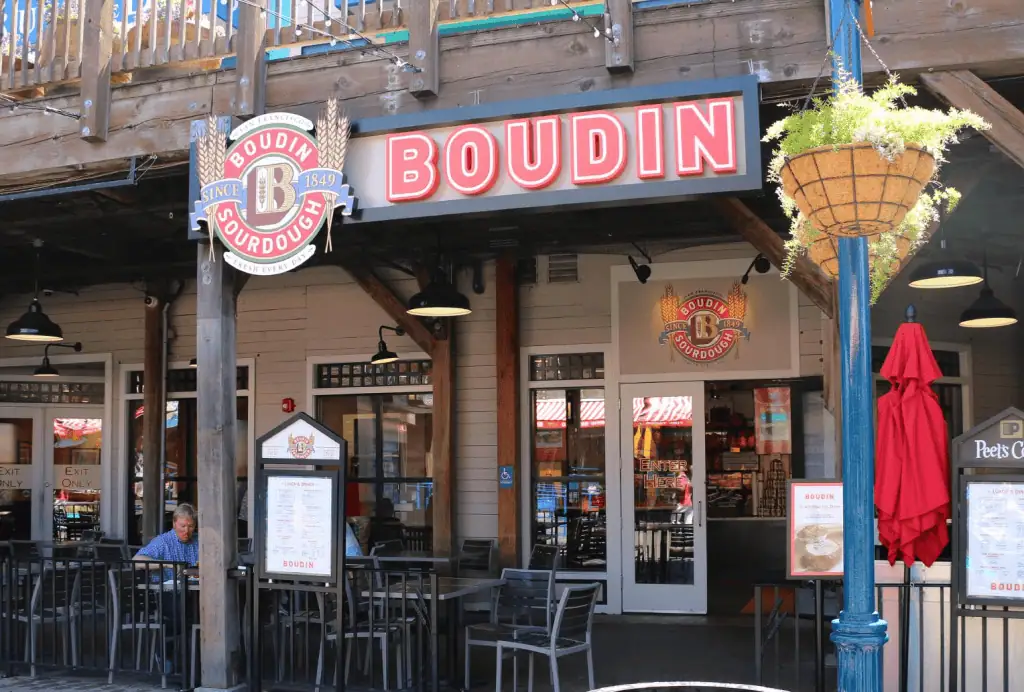
Boudin Bakery is inseparable from San Francisco’s sourdough legacy. Using a mother dough that dates back more than a century, the bakery produces bread with a distinctive tang and chewy texture. While it has grown into a large operation, the core product remains rooted in tradition. Boudin represents how heritage baking can survive modernization without losing authenticity. For many Americans, it’s their first introduction to regional bread culture.
Dominique Ansel Bakery – New York City, New York
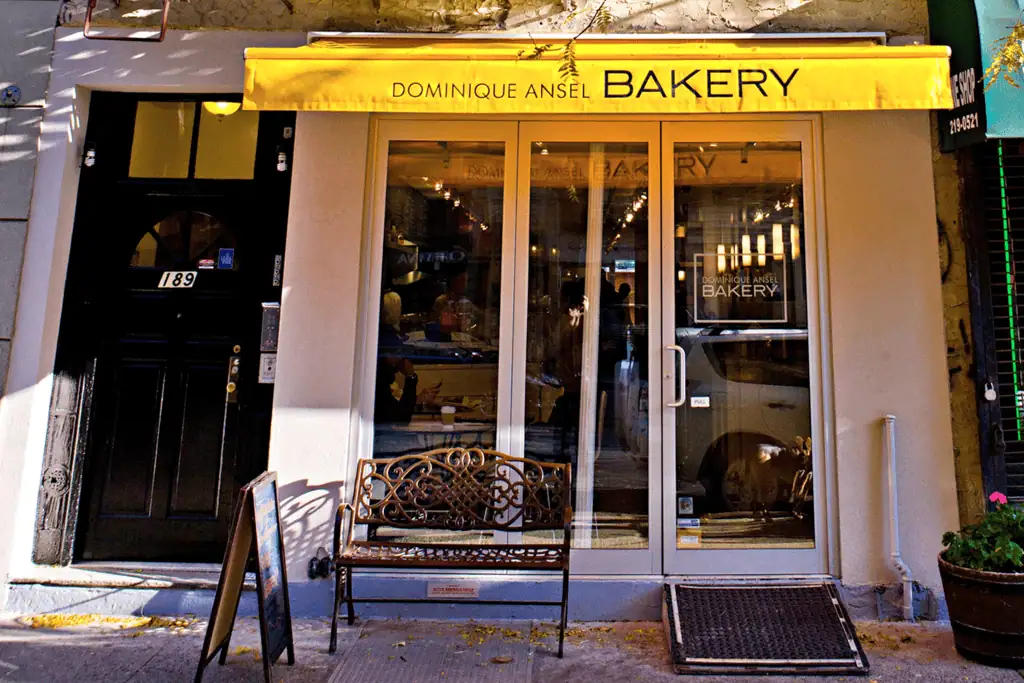
Dominique Ansel Bakery reshaped American pastry culture by merging classical French training with playful innovation. Known for creative pastries that still respect technique, the bakery balances visual appeal with flavor. Each item feels intentional rather than gimmicky. Customers return not just for novelty, but for execution. The bakery demonstrates how high-level pastry can remain approachable while pushing boundaries within a disciplined framework.
Poilâne Bakery – New York City, New York
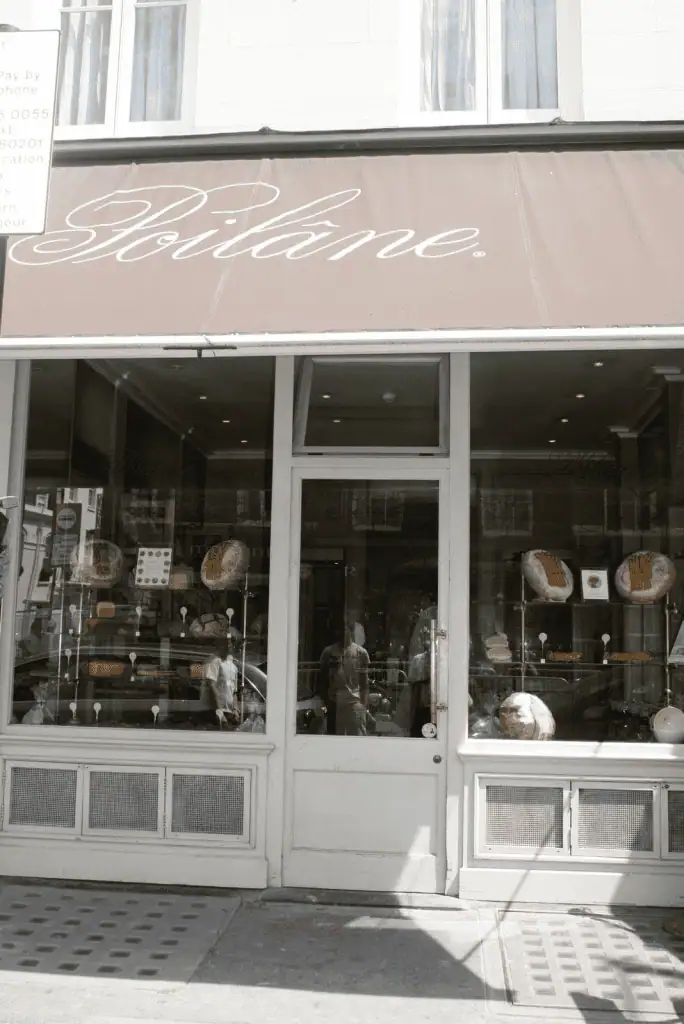
Poilâne brought Parisian bread tradition to American audiences with remarkable fidelity. Its signature miche features deep caramelization and long fermentation, emphasizing wheat flavor over decoration. The bakery appeals to customers who value simplicity and substance. By focusing on one iconic loaf and executing it perfectly, Poilâne proves restraint can be more powerful than variety. Its presence reinforces respect for European bread traditions within U.S. food culture.
Zingerman’s Bakehouse – Ann Arbor, Michigan
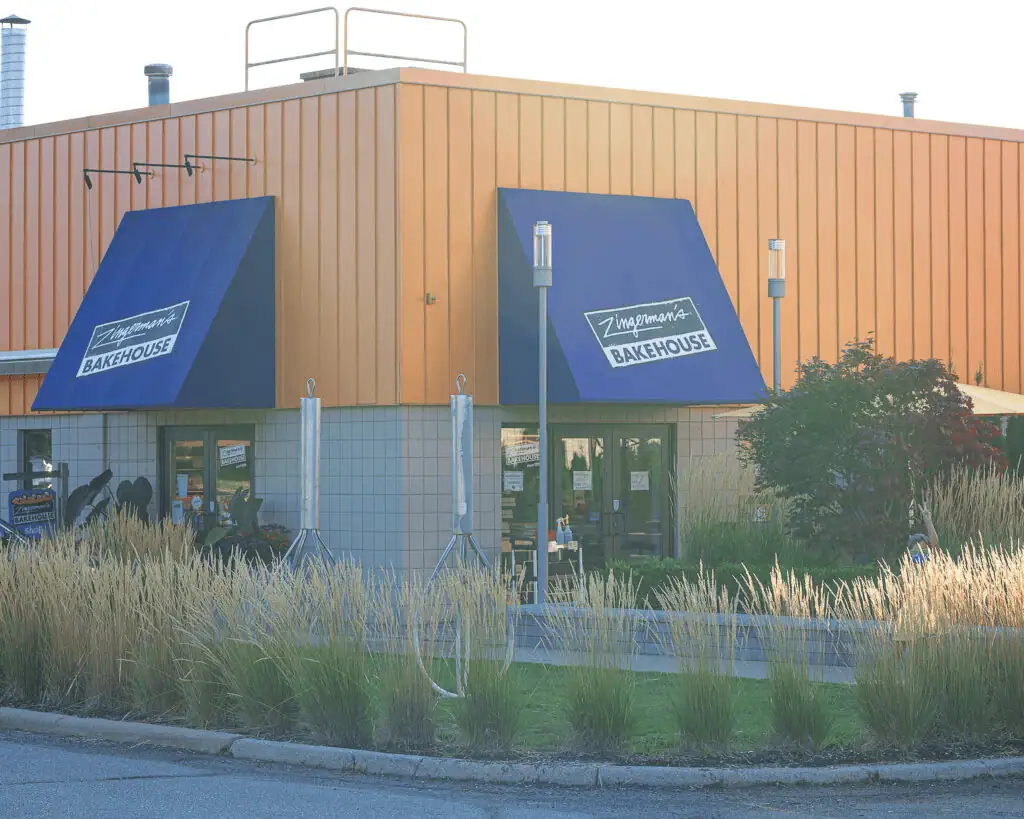
Zingerman’s Bakehouse is celebrated for precision, education, and consistency. Its breads and pastries reflect careful sourcing and methodical process rather than trend-driven design. Customers appreciate the reliability of every loaf delivers the same quality. The bakehouse also plays a teaching role, influencing how other bakeries operate. Its reputation shows that excellence doesn’t require major cities, just discipline and clarity of purpose.
Bien Cuit – Brooklyn, New York
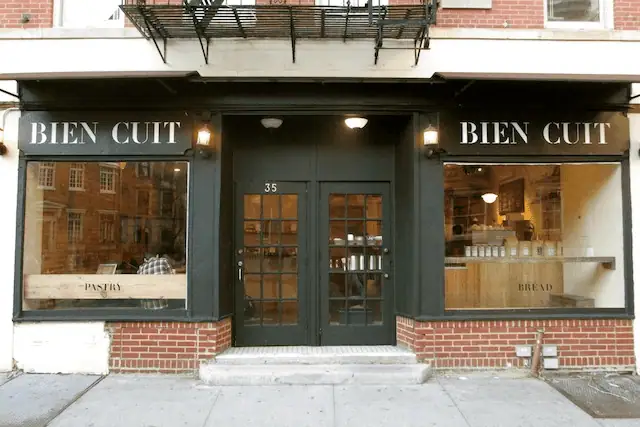
Bien Cuit built its reputation on long fermentation and bold baking. Dark crusts, complex flavors, and chewy textures define its breads. The bakery rejects shortcuts, favoring time-intensive methods that develop depth. Customers are drawn to the intensity and honesty of the product. Bien Cuit appeals to bread enthusiasts who value technique over softness, helping normalize stronger flavors in American bread culture.
Sullivan Street Bakery – New York City, New York
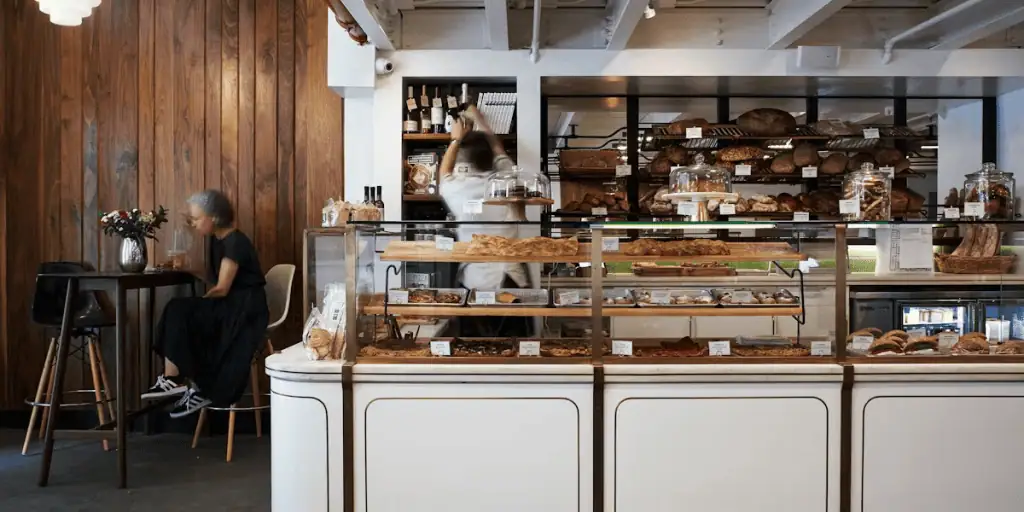
Sullivan Street Bakery helped introduce rustic Italian bread to American markets. Its loaves emphasize open crumb, olive oil richness, and natural fermentation. The bakery influenced countless restaurants and home bakers by showing that bread could be expressive yet practical. Its success reflects how European techniques adapted seamlessly to American kitchens. Sullivan Street remains a reference point for artisan bread in the U.S.
Proof Bakery – Los Angeles, California
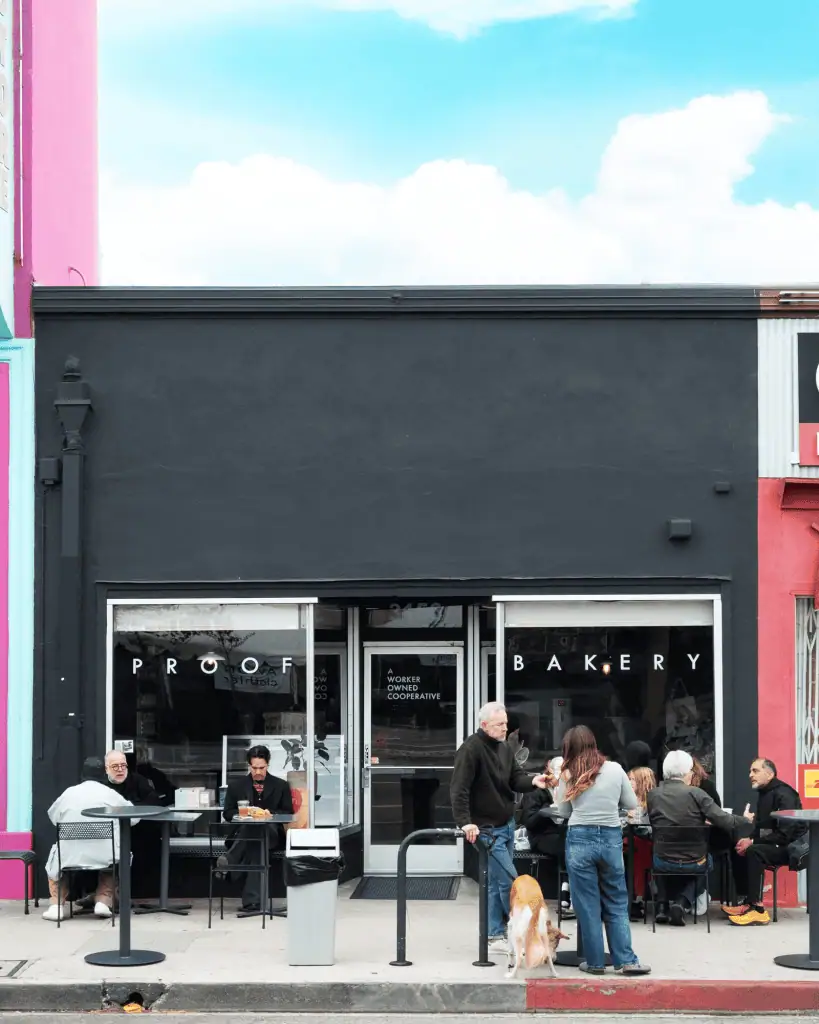
Proof Bakery blends European technique with Southern California ingredients and sensibilities. Naturally leavened breads and refined pastries dominate the menu, all produced with restraint and balance. The bakery’s identity feels calm and intentional, appealing to customers seeking quality without excess. Proof represents the West Coast’s quieter approach to artisan baking, where process and flavor matter more than spectacle.
Magnolia Bakery – New York City, New York
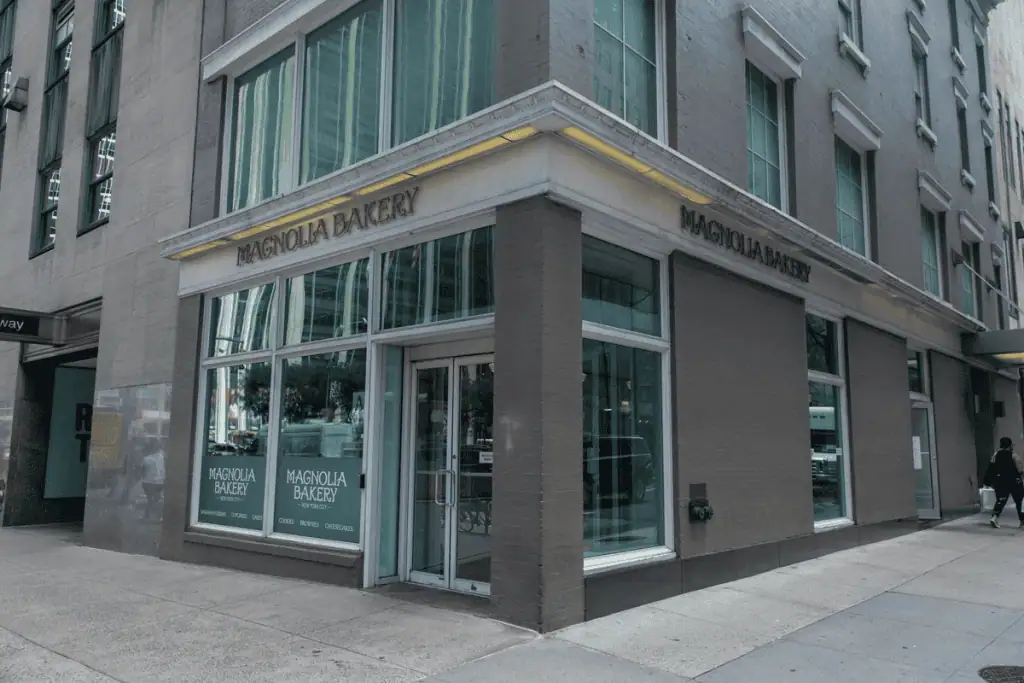
Magnolia Bakery represents classic American bakery culture done well. Known for nostalgic flavors and approachable desserts, it succeeds through consistency rather than reinvention. Cupcakes, puddings, and cakes deliver familiarity with dependable execution. Its widespread popularity shows that excellence isn’t limited to artisan bread alone. Magnolia’s staying power reflects how traditional American baking still holds strong emotional value.
