
Which of These 11 Fast-Food Mascots Was the Best? People Are Divided
Fast-food mascots have become cultural icons, evoking nostalgia and opinions across generations. These characters aren’t just clever marketing tools; they shape the brand’s identity and connect with audiences on a personal level. Among the many faces, several stand out as memorable, sparking debates about their impact and appeal. Let’s consider four notable mascots that have dominated the fast-food landscape, each bringing its own unique flavor to the industry.
Ronald McDonald: Defining Fast Food

Ronald McDonald has long been synonymous with McDonald’s, representing joy and community in the fast-food realm. His colorful outfit and friendly demeanor are designed to appeal to children and adults alike, making him a memorable figure. Ronald’s presence emphasizes McDonald’s commitment to a family-friendly experience, often seen in community events and charitable programs such as the Ronald McDonald House. His iconic red and yellow ensemble does more than entertain; it reinforces brand loyalty through a sense of nostalgia and warmth.
The Burger King: Creepy or Genius?

The Burger King mascot combines an unsettling yet intriguing blend of characteristics. His oversized, regal mask and stoic expression have become a talking point, intriguing audiences with a sense of irony and humor. This offbeat approach diverges from traditional warmth, choosing instead to intrigue with its bizarre charm. While some find him eerie, his presence is undeniably effective in capturing attention and fostering curiosity about the brand. This calculated eccentricity highlights the brand’s willingness to embrace the unconventional in its marketing strategy.
Colonel Sanders: The Fried Chicken Gentleman
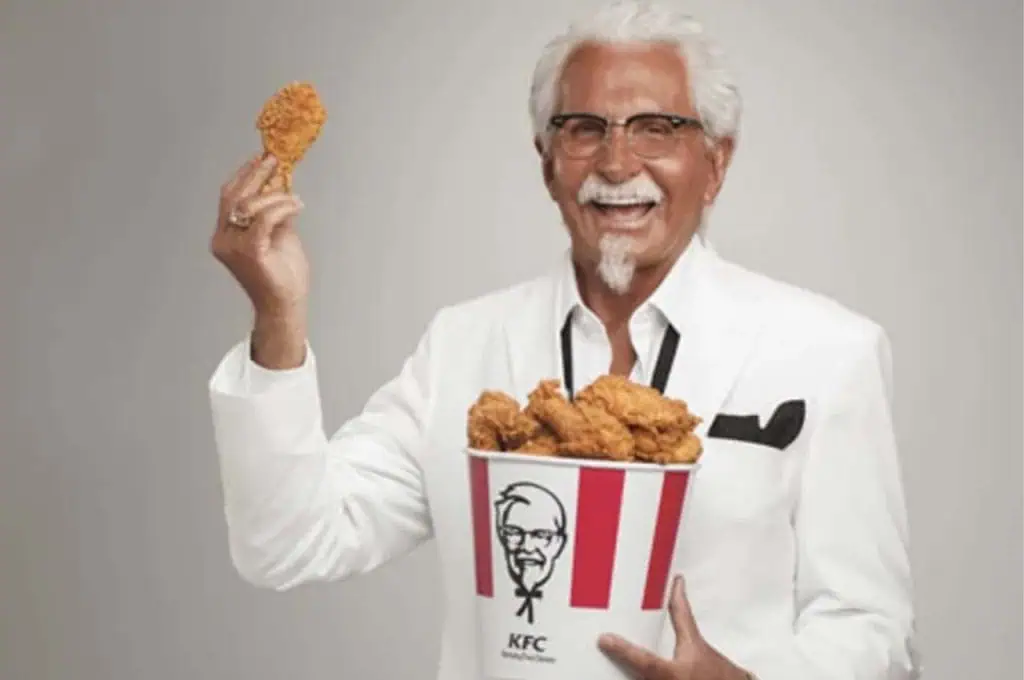
Colonel Sanders is more than just a mascot; he’s a genuine symbol of the KFC brand and its rich Southern heritage. Clad in his signature white suit and black string tie, his role extends beyond advertisement, embodying the authenticity of KFC’s fried chicken legacy. His persona resonates with tradition and quality, enhancing trust in the brand’s culinary promise. His gentlemanly, hospitable image serves as both a nod to history and a reinforcement of KFC’s commitment to delivering a genuine taste of the South.
Wendy: The Sassy Brand Pioneer

Wendy, from Wendy’s, serves as a charming and relatable face for the fast-food chain, bringing a personal touch to branding. Modeled after the founder’s daughter, her image exudes youthful energy with a hint of playfulness. The pigtail-wearing mascot emphasizes freshness and quality, as seen in slogans promoting their never-frozen beef. Her friendly and spirited representation places emphasis on simplicity and honest value, which resonates with consumers looking for a more personalized and straightforward dining choice.
Taco Bell Chihuahua: Cultural Impact

The Taco Bell Chihuahua became an icon of 90s advertising, capturing public attention with its simple yet effective catchphrase, “Yo quiero Taco Bell.” This mascot’s appeal lay in its blend of humor and a catchy slogan, making the brand memorable and approachable. The Chihuahua’s role wasn’t just about selling tacos; it reflected a playful take on cultural stereotypes, sparking conversations about representation. For marketers, this character served as a reminder of the power of voice and personality in creating lasting brand impressions.
Grimace: McDonald’s Beloved Confusion

Grimace, the friendly, purple blob from McDonald’s, has often puzzled audiences with his curious nature and ambiguous background. While initially conceptualized as an antagonist, Grimace evolved into a lovable companion, representing the warm and welcoming side of McDonald’s. His nonspecific form allowed customers to project their own ideas onto him, fostering a unique kind of brand intimacy. Grimace’s enduring legacy lies in his cheerful demeanor and ability to embody the approachable, playful spirit of McDonald’s.
Jack Box: Unhinged Fast Food Spokesman
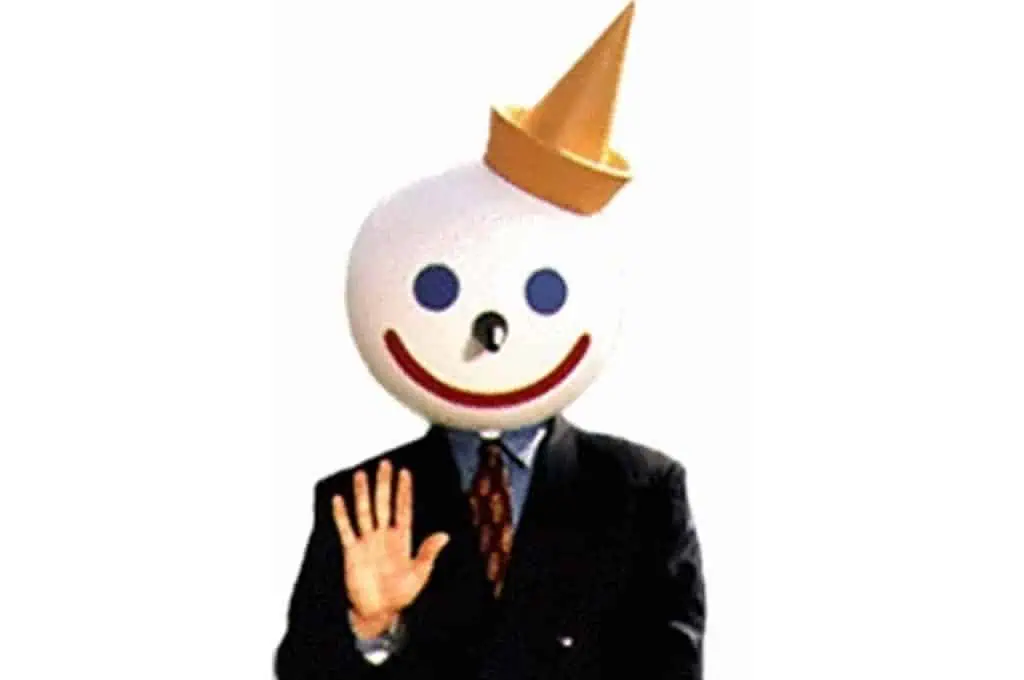
Jack Box, with his distinctive ping-pong ball head and sharp suit, stands as a unique figure in fast-food marketing. Representing Jack in the Box, this character blends corporate authority with outrageous behavior, crafting ads that stand out through humor and wit. His first-person narrative and direct address to consumers create a sense of personal engagement, enhancing brand loyalty. Jack’s success highlights the effectiveness of breaking conventional norms in marketing, using personality-driven storytelling to captivate audiences.
Pillsbury Doughboy: Sweet and Recognizable

The Pillsbury Doughboy, affectionately known as Poppin’ Fresh, is instantly recognizable, exuding warmth and nostalgia. With his soft, doughy texture and iconic giggle, he evokes feelings of home and comfort, reinforcing Pillsbury’s image as a staple for family baking. His enduring appeal lies in the gentle, tactile pleasure he represents, tapping into the sensory delight of baking. This mascot’s success is a testament to the effectiveness of using tactile and emotional connections to strengthen brand identity.
Chester Cheetah: Snack Aisle’s Coolest

Chester Cheetah, the embodiment of cool with his sunglasses and laid-back demeanor, transformed the image of cheese-flavored snacks with a touch of rebellious charm. This mascot brings a rock-and-roll edge to the brand, promoting Cheetos with an attitude that appeals to younger audiences. Chester’s persona is crafted to resonate with those who value individuality and fun, breaking away from traditional snack marketing. His success underscores the impact of merging style with relatability to capture and maintain consumer interest.
The Noid: Domino’s Marketing Gamble

Introduced in the 1980s, the Noid was an animated, clay-animated character used by Domino’s Pizza to emphasize their dedication to fast and fresh delivery. The mischievous character symbolized obstacles in delivering a perfect pizza, with Domino’s promising to avoid them. Despite its quirky appeal, the Noid faced mixed reactions. It was memorable and catchy but not universally adored, making it a risky but intriguing marketing choice. For Domino’s, it was a clever tactic to emphasize speed and reliability in pizza delivery.
Hamburglar: Villain or Fan Favorite?

The Hamburglar, a staple of McDonald’s advertising since the 1970s, became an iconic figure with his striped outfit and penchant for stealing burgers. Despite being a ‘villain,’ his playful and harmless demeanor quickly endeared him to audiences. His mischievous antics added a whimsical charm to McDonaldland, making him beloved by both children and adults. The character’s popularity lies not in fear, but in humor and nostalgia, creating a connection between the brand and its customers through shared laughter and timeless fun.
