
6 Bacons That Might Be Wrecking Your Health
Bacon often holds a cherished place in our kitchens, enhancing dishes with its savory crunch. However, not all bacon is created equal. Some types can inadvertently harm our health due to added sugars, excessive processing, and low-quality ingredients. Understanding these differences is key to making informed choices. Here’s a guide to six types of bacon you might reconsider due to health concerns, helping you enjoy its flavors without compromising well-being.
Sugar-Loaded Maple Bacon

Maple bacon is enticing with its sweet-savory allure, but the added sugars can be problematic. Excess sugar not only dampens bacon’s inherent saltiness but also increases caloric content. To enjoy maple bacon responsibly, look for products with no added sugars or consider making your own glaze. This allows you to control the sweetness, using natural maple syrup sparingly, while maintaining bacon’s essential character. Season it with spices like cinnamon or black pepper for depth without sugar overload.
Highly Processed Turkey Bacon
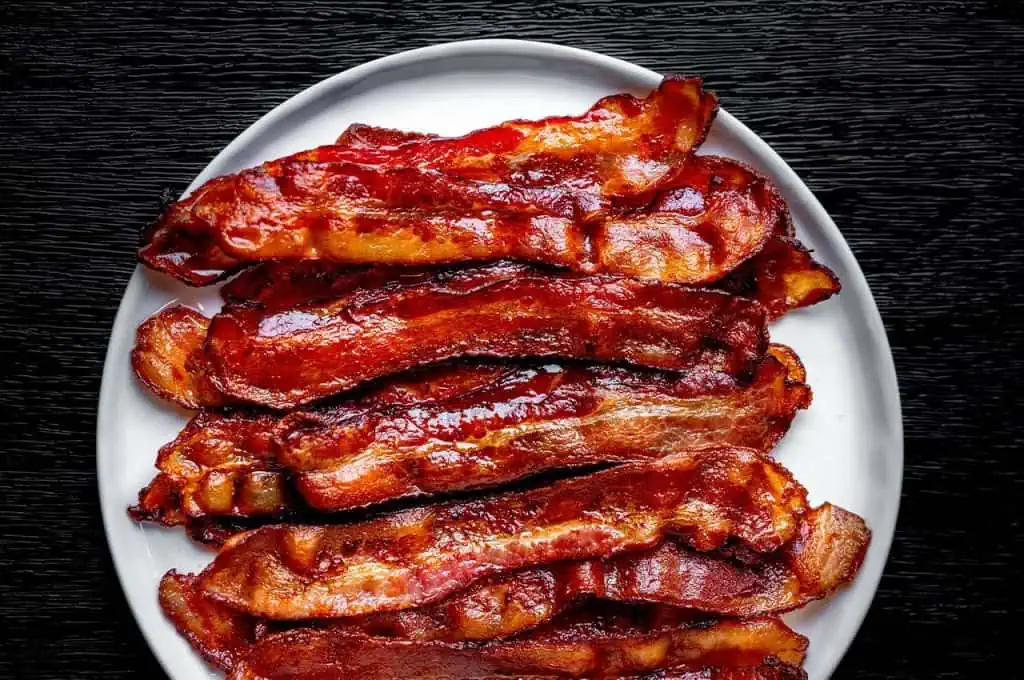
Turkey bacon often appeals as a leaner alternative, yet it may be heavily processed. These products frequently contain fillers, preservatives, and flavor enhancers that overshadow the simplicity of turkey. When choosing turkey bacon, seek minimally processed options with few ingredients, prioritizing real turkey over additives. Cooking it slowly allows fats to render, offering a crisp texture while minimizing greasiness. Pair it with herbs like rosemary to complement its mild, slightly gamier profile.
Artificially Smoked Bacon
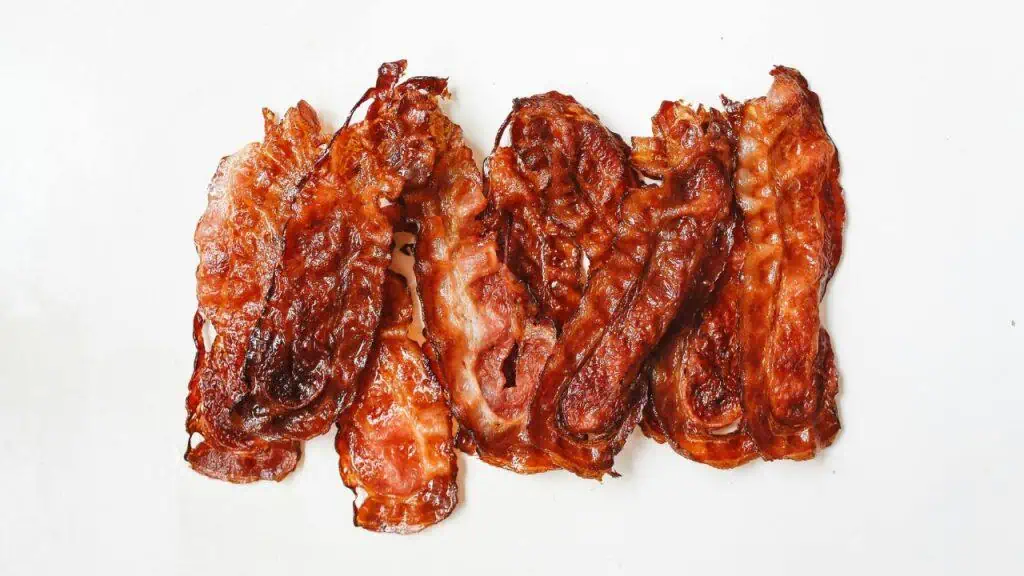
Artificially smoked bacon relies on chemical smoke flavorings rather than traditional smoking methods. These additives can impart a harsh taste, lacking the nuanced complexity of real smoke. Choose bacon smoked with natural woods like apple or cherry, which provide a gentle, authentic smokiness. If artificial options are the only choice, balance their sharpness with fresh ingredients like lemon zest or fresh herbs to soften the impact, enhancing the authentic flavors of your dish.
Low-Quality Store Brand Bacon
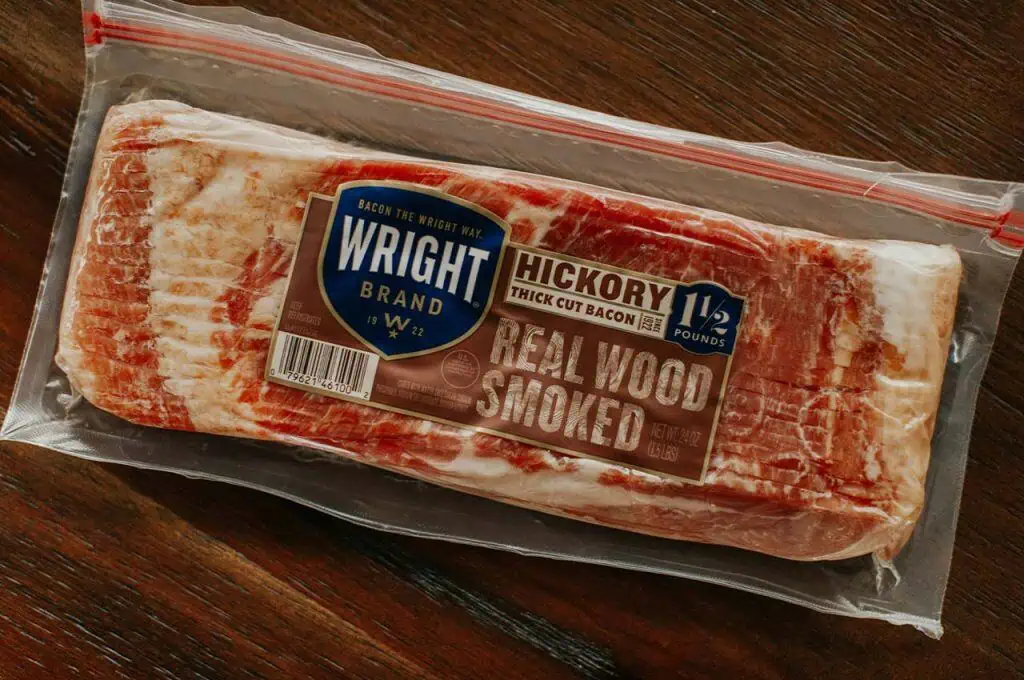
Bacon from low-quality store brands can be appealing due to cost, but often compromises on flavor and health. These may come from poorly sourced pork, containing more fat, less meat, and an abundance of preservatives. Opt for reputable brands that prioritize quality sourcing and clear labeling. Checking the meat-to-fat ratio is crucial; a good bacon slice should have a balanced marbling. Cooking it evenly ensures the fat is crisp but not burnt, showcasing its true potential.
Thick-Cut Bacon’s Fat Trap
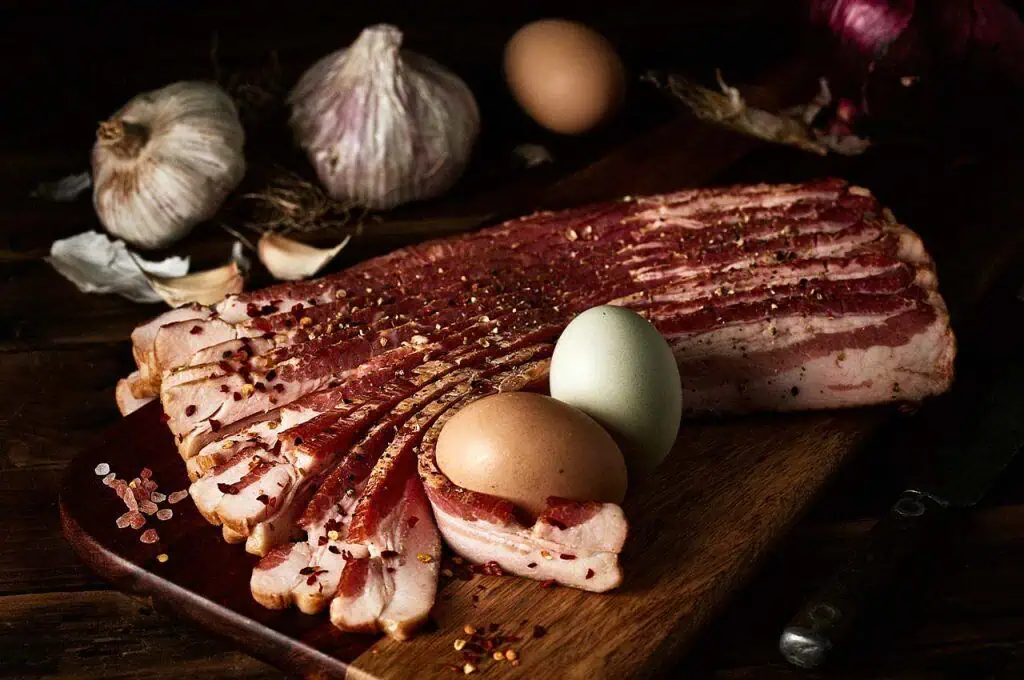
Thick-cut bacon appeals with its satisfying heft and deeper flavor, but it harbors more fat than its regular counterpart. This thicker slice means more surface area where fat can hide, potentially contributing to higher cholesterol and calorie intake. When choosing bacon, pay attention to the label and opt for lower-fat versions. Cooking methods matter—consider using a broiler or oven to render some of the excess fat, letting it drip away. Aim for crisping the bacon evenly without burning, ensuring that any extra oils are left behind, enhancing flavor without unnecessary heaviness.
Nitrate-Heavy Cured Bacon
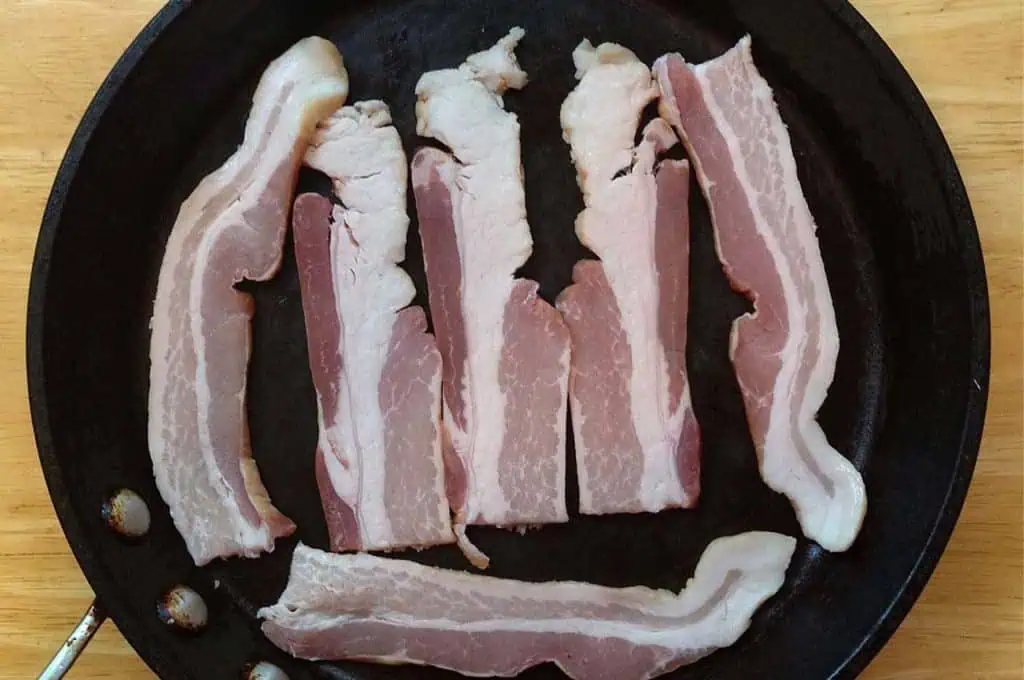
Cured bacon often relies on synthetic nitrates and nitrites to preserve its rosy hue and prolong shelf life. However, these compounds can form potentially harmful nitrosamines in high heat. For a healthier option, explore bacon cured using natural alternatives like celery juice or sea salts, which offer preservation with fewer health concerns. When cooking, maintain a medium heat to prevent charring, allowing chemical preservatives to break down more safely. This method yields bacon that is both flavorful and mindful of health, balancing convenience with well-being.
