
What the American Food Scene Could Look Like With the Trend of Sustainable Meals and Growing Climate Awareness
America’s food culture is entering a new phase where taste still wins, but impact is no longer invisible. “Sustainable meals” are increasingly shaped by three forces moving at once: consumer expectations, restaurant and retail economics, and policy pressure around waste and emissions. The result isn’t one single national diet, it’s a patchwork of practical changes that make sustainable choices easier, cheaper, and more normal. Here’s what the U.S. food scene could realistically look like as climate awareness keeps growing, based on measurable shifts already underway.
Plant-forward becomes the default, not the identity

Instead of “vegan” menus becoming mainstream everywhere, many restaurants are leaning toward plant-forward design meals where vegetables, beans, grains, and sauces carry the flavor, and meat becomes optional or smaller. Industry trend reporting highlights plant-forward positioning as a major direction for restaurant menus, focusing on whole-plant ingredients and broader protein choices rather than only meat analogs. This approach fits climate goals because it reduces reliance on higher-impact ingredients without forcing a label that some diners resist, making sustainable choices feel like the normal option.
Meat stays popular, but “how it’s raised” matters more

Climate-aware eating in the U.S. is likely to reshape meat sourcing more than eliminate meat. A major example is McDonald’s announcing a $200 million investment over seven years to support regenerative practices on U.S. cattle ranches, covering up to 4 million acres across 38 states. If more big buyers follow, diners may see more claims tied to grazing practices, soil health, and verified sourcing, less “no meat,” more “better meat,” with sustainability becoming part of brand trust.
Plant-based alternatives evolve after a reality check
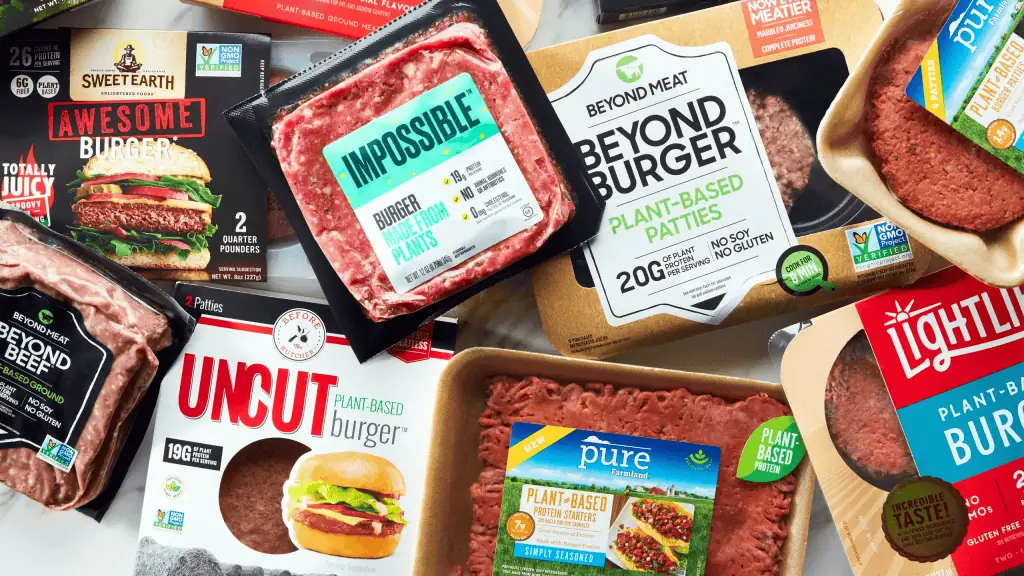
The future probably isn’t a straight upward line for plant-based meat. Recent U.S. retail data has shown softness, with reports of declines in plant-based meat sales and units in 2024–2025. That pressure can still reshape cuisine: brands may pivot toward better-tasting, less-processed options, while restaurants lean harder into legumes, mushrooms, tofu, and grain-based dishes that feel “food-first,” not “replacement-first.” Either way, the category’s struggle pushes innovation around flavor, texture, and pricing.
Food-waste cooking becomes a mainstream skill
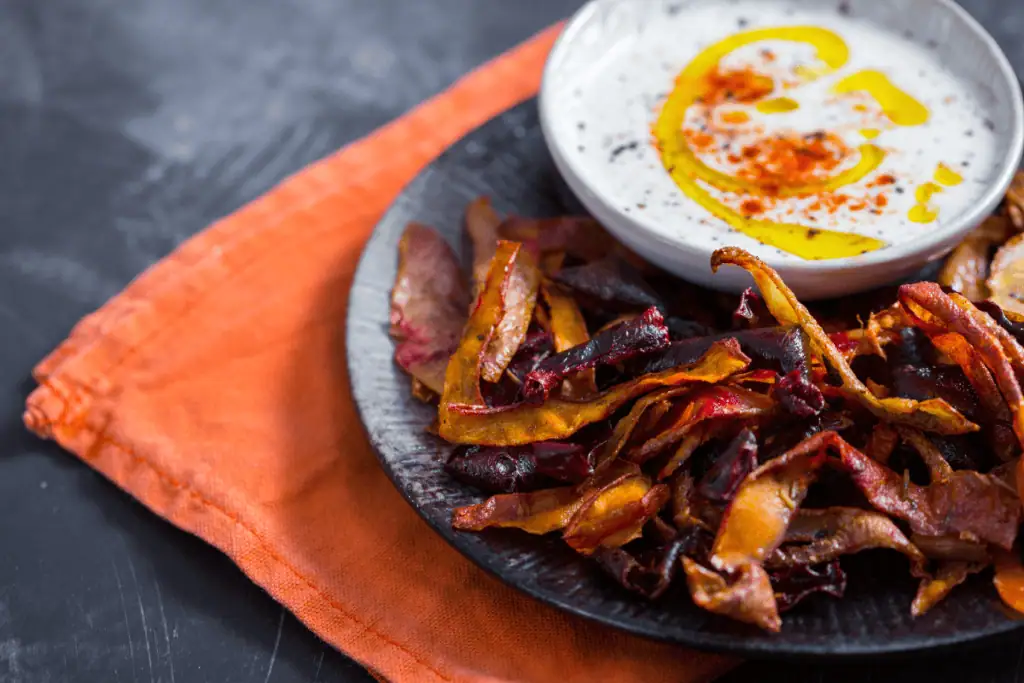
A more climate-aware American kitchen is likely to look less like “perfect produce” and more like “use what you have.” The U.S. set a national goal in 2015 to cut food loss and waste by 50% by 2030, led by EPA and USDA, and the strategy emphasizes prevention first because most emissions happen before food hits the trash. That pressure supports meal plans built around leftovers, flexible “clean-out” recipes, and more products made from rescued ingredients via programs like Upcycled Certified.
Composting and organics separation become normal city life

More places are treating food scraps like recycling, something you’re expected to separate. New York City made curbside composting mandatory, with its enforcement timeline showing a grace period that began in October 2024 and ended April 1, 2025, after which fines can apply for mixing compost with trash. As more cities and states adopt organics diversion policies, kitchens will adjust: countertop bins become standard, packaging and leftovers get sorted differently, and “waste-aware” cooking becomes part of everyday routine rather than a niche hobby.
“Climate-smart” sourcing expands through big public funding

Behind the scenes, more ingredients may come from farms paid to adopt climate-smart practices. USDA has invested about $3.1 billion across 141 projects through Partnerships for Climate-Smart Commodities, aiming to expand markets for “climate smart” production. USDA’s NRCS also maintains an updated list of climate-smart mitigation activities eligible for Inflation Reduction Act funding in FY2025, signaling continued institutional support for practice change on the ground. Over time, that can influence what foods are abundant, affordable, and easy for restaurants to source.
Sources:
- New Roots Institute. Plant-Forward Diet: What It Is and Why It Matters.
https://newrootsinstitute.org/articles/plant-forward-diet/ - McDonald’s Corporation. McDonald’s Announces $200 Million Investment in Regenerative Agriculture. https://corporate.mcdonalds.com/corpmcd/our-stories/article/regenerative-agriculture-investment.html
- Good Food Institute. U.S. Retail Sales Data Shows Plant-Based Category Softening in 2024. https://www.goodfoodinstitute.org/press/retail-plant-based-sales-2024/
- U.S. Environmental Protection Agency (EPA). United States 2030 Food Loss and Waste Reduction Goal. https://www.epa.gov/sustainable-management-food/united-states-2030-food-loss-and-waste-reduction-goal
- New York City Department of Sanitation (DSNY). Curbside Composting Program and Enforcement Timeline. https://www.nyc.gov/site/dsny/collection/curbside-composting.page
- U.S. Department of Agriculture (USDA). Partnerships for Climate-Smart Commodities. https://www.usda.gov/climate-solutions/climate-smart-commodities
