
11 Climate-Smart Foods American Families Are Eating Without Even Realizing It
Climate-smart eating is often framed as a deliberate lifestyle choice, but for many American families it happens naturally. Budget limits, busy schedules, and familiar tastes shape grocery carts more than sustainability labels ever could. Yet many of these everyday foods align with lower environmental impact because they store well, reduce waste, or rely on efficient production. This quiet shift shows how climate-smart habits often grow from practicality, not intention, making them easier to maintain long term.
Beans and Lentils

Beans and lentils are among the most climate-efficient proteins available, requiring fewer resources than animal-based options. Families use them in chili, soups, tacos, and stews because they are inexpensive, filling, and easy to store. Their long shelf life reduces food waste, and their ability to stretch meals across several days lowers overall grocery demand. Many households rely on them for cost savings without realizing they also support lower-emission diets.
Frozen Vegetables

Frozen vegetables fit climate-smart eating because they dramatically reduce spoilage. Families choose them for convenience, consistent quality, and year-round availability. Since they are frozen near harvest, fewer vegetables are discarded due to overripening or cosmetic flaws. This reduces waste at both household and supply levels. What feels like a time-saving shortcut often results in a more efficient use of resources.
Oatmeal

Oatmeal remains a breakfast staple because it is affordable, filling, and simple to prepare. Oats require relatively low inputs to grow and have a long shelf life, which reduces food loss. Families rely on oatmeal for routine mornings without viewing it as a sustainability choice. Its popularity shows how climate-smart foods often succeed when they fit daily habits rather than demanding new ones.
Eggs

Eggs offer a high-protein option with a lower environmental footprint than many meats. Families use eggs across meals, from breakfast to baking to quick dinners, because they are versatile and budget-friendly. Eggs can also replace meat in many dishes, reducing overall resource use. Their everyday role in home cooking quietly supports more efficient protein consumption.
Potatoes
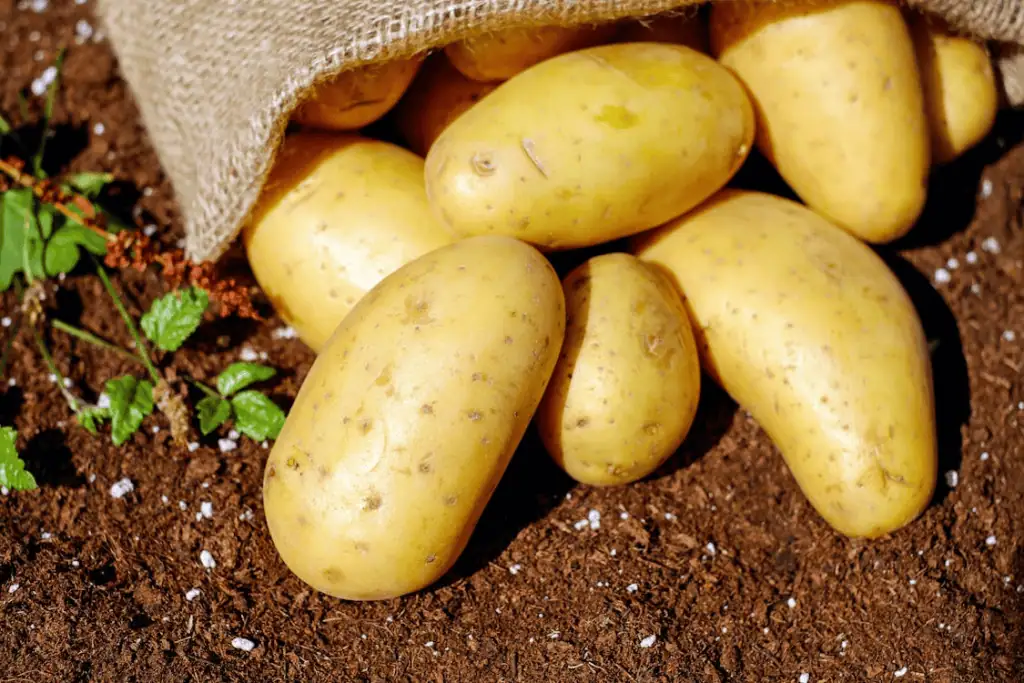
Potatoes are one of the most efficient crops in terms of calories produced per acre. Families buy them because they are inexpensive, filling, and adaptable to countless meals. Potatoes store well, reducing spoilage, and often serve as a satisfying alternative to more resource-intensive foods. Their reliability makes them a climate-smart staple hidden in plain sight.
Pasta

Pasta is popular because it is affordable, shelf-stable, and flexible. Families use it as a base for vegetables, sauces, and leftovers, which helps reduce food waste. Made primarily from wheat, pasta generally requires fewer resources than many processed convenience meals. Its role as a neutral foundation encourages plant-forward cooking without requiring intentional changes.
Peanut Butter

Peanut butter provides plant-based protein in a familiar, comforting form. Families choose it for sandwiches, snacks, and quick meals because it is filling and shelf-stable. Compared to animal-based protein spreads, peanut butter has a lower environmental impact. Its everyday presence in American kitchens shows how climate-smart foods often win through familiarity and affordability.
Rice and Rice-Based Meals

Rice remains a staple in many households because it is inexpensive, filling, and easy to cook in bulk. Families often reuse rice across multiple meals, which reduces waste. While rice production has environmental variation, its role in plant-forward dishes helps limit reliance on resource-heavy proteins. Rice supports climate-smart eating through efficiency and reuse rather than novelty.
Canned Tomatoes

Canned tomatoes are widely used because they are consistent, affordable, and available year-round. Families rely on them for sauces, soups, and stews without worrying about spoilage. Their long shelf life significantly reduces food waste compared to fresh tomatoes discarded out of season. This makes canned tomatoes a climate-smart pantry staple chosen for practicality.
Chicken
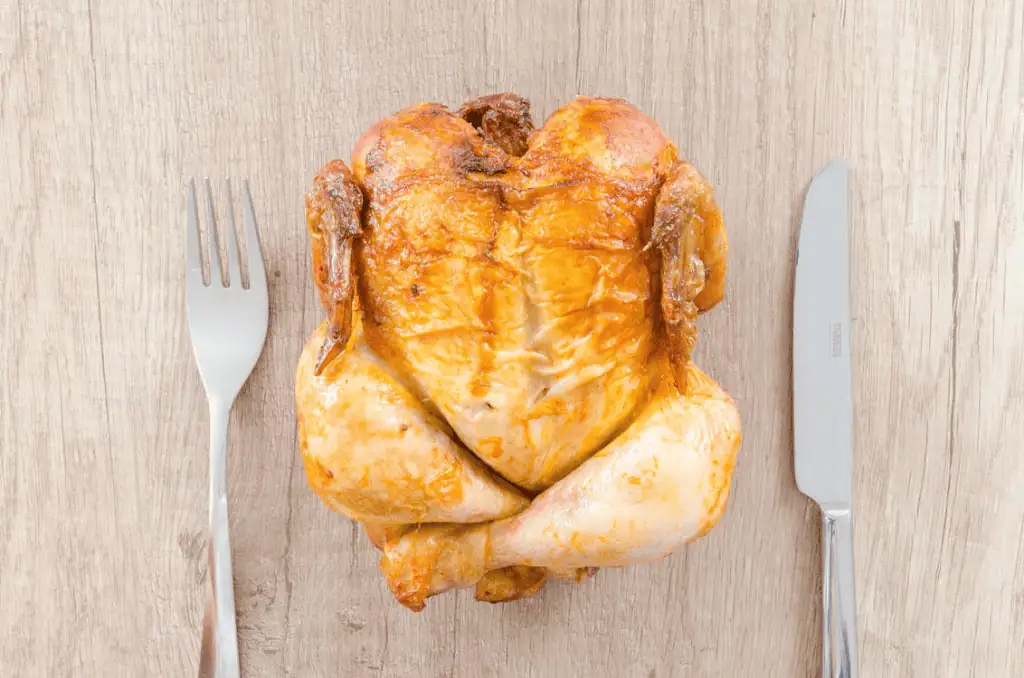
Chicken is one of the most climate-efficient animal proteins commonly consumed in the United States. Families choose it because it is familiar, adaptable, and usually more affordable than red meat. Compared to beef, chicken requires fewer resources and produces lower emissions. Its widespread use has quietly shifted household protein consumption toward lower-impact options.
Leftover-Based Meals
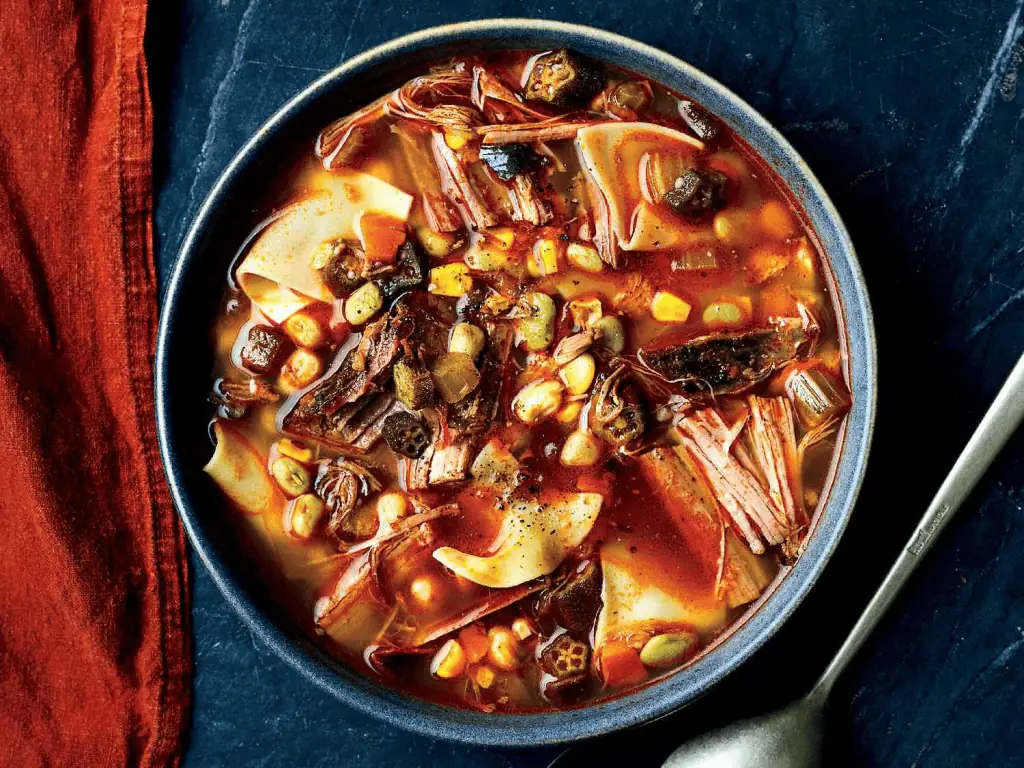
Meals built around leftovers may be the most climate-smart habit of all. Families repurpose cooked rice, vegetables, or proteins into new meals because it saves time and money. This directly reduces food waste, which is one of the largest contributors to food-related emissions. Leftover-based cooking shows how the simplest habits often have the biggest impact.
