
These 7 Fruits Are Actually Worth Buying Already Cut (Experts Agree)
The 2026 grocery landscape is defined by “functional convenience.” While many nutritionists traditionally advised against pre-cut produce due to vitamin C loss from oxidation, the narrative has shifted. Experts now argue that if the barrier to eating healthy is the “labor” of prep, the 40%–60% upcharge for pre-cut fruit is a justified investment in your health.
In fact, a 2026 study found that households with pre-cut fruit available increased their total fruit consumption by 40%. However, not all fruits are created equal; some are “time-savers,” while others are “money-wasters.”
Pineapple: The Ultimate Mess-Saver
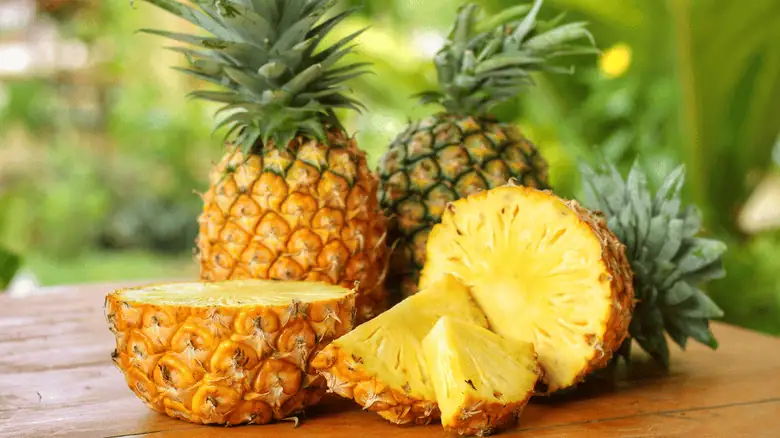
Cutting a whole pineapple is widely considered one of the most labor-intensive kitchen tasks, often resulting in significant food waste if the “eyes” aren’t removed correctly. In 2026, experts agree that pre-cored and sliced pineapple is a top-tier “buy.”
Not only does it save you from the sticky cleanup, but commercial processors use specialized machinery to maximize the edible yield. Because pineapple is naturally acidic, it maintains its structural integrity and flavor better than softer fruits when stored in refrigerated tubs, making it a reliable staple for your 2026 spring fruit salads.
Pomegranate: Avoiding the “Red Mess”
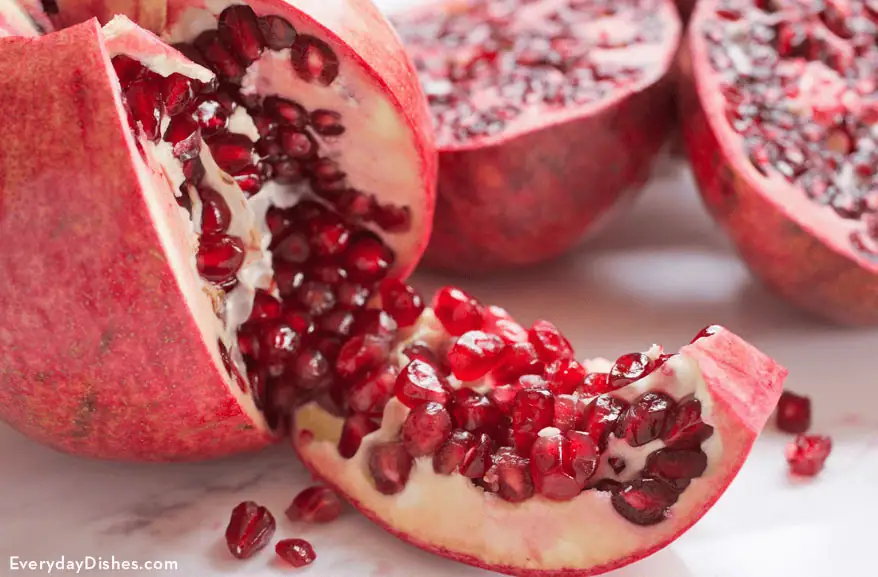
Pomegranates are a 2026 “superfood” powerhouse, but extracting the arils (seeds) can feel like a forensic operation that stains your countertops and clothes. Buying pre-packaged pomegranate arils is a massive time-saver that experts highly recommend.
In 2026, many brands have moved to “water-extraction” methods that keep the seeds intact and juicy without the bitter white pith. While the price per ounce is higher, the sheer convenience of being able to toss a handful of antioxidants onto your morning yogurt without a 20-minute cleanup makes this a worthwhile splurge.
Watermelon and Large Melons
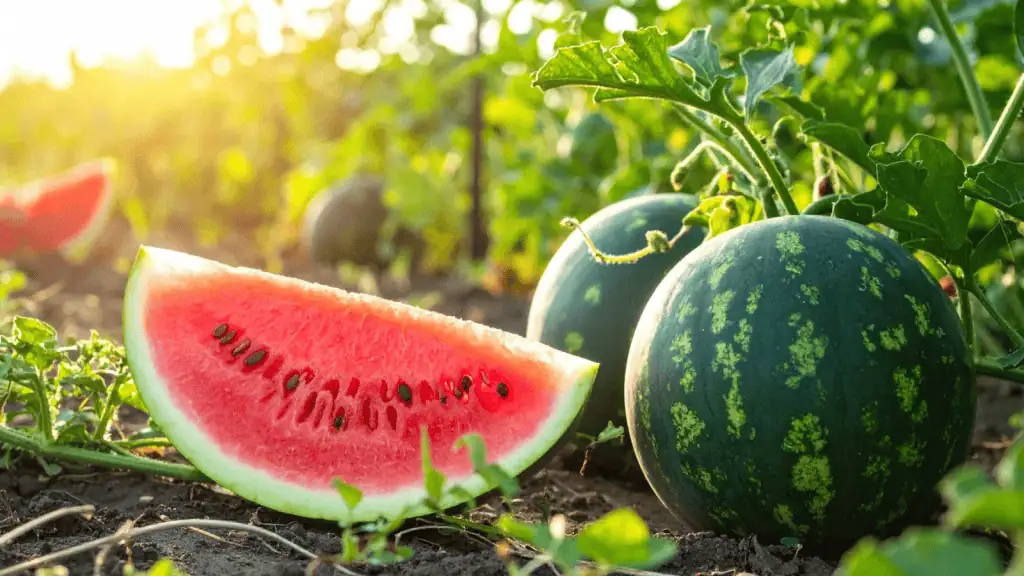
The sheer size of a 2026 “Jumbo” watermelon makes it a logistical nightmare for small households or those with limited fridge space. Experts suggest that buying pre-cubed melon is the most practical choice to avoid “fridge rot” the common phenomenon where a half-eaten melon sits until it spoils.
Buying exactly the amount you need reduces food waste and ensures you are getting a piece that has been “expert-selected” for ripeness. Just ensure the container is tightly sealed and kept at or below 4°C to maintain that crisp, refreshing texture.
Mango: The “Slippery” Challenge
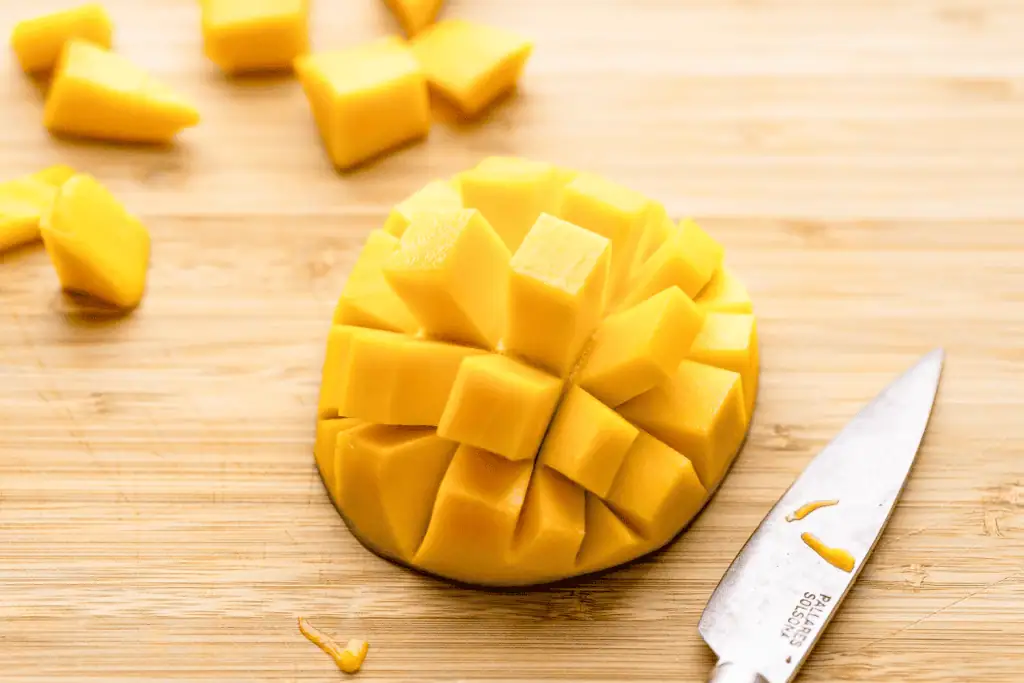
Mangoes are notoriously difficult to pit and peel without losing a significant portion of the fruit to the floor or the sink. Semi-professional chefs often recommend pre-cut mango spears because they provide uniform slices that are difficult to achieve at home without a specialized mango splitter.
In 2026, retailers are increasingly offering “fresh-frozen” or chilled mango chunks that are picked at the peak of ripeness. This bypasses the “guessing game” of whether a whole mango is ready to eat, providing consistent sweetness for your smoothies or salsa every time.
Butternut Squash and Hard Roots

While technically a fruit, the hard-skinned butternut squash is a 2026 favorite that many home cooks avoid due to the physical effort required to peel and cube it safely. Buying it pre-cubed in the produce section is an expert-approved move to prevent kitchen injuries and save significant prep time for weeknight stews.
The 2026 trend toward “roast-ready” vegetable kits has made these pre-cut options widely available. Because squash is a hardy “winter fruit,” it survives the pre-cutting process with minimal loss of its fiber and vitamin A content.
Papaya: Seed-Free Convenience
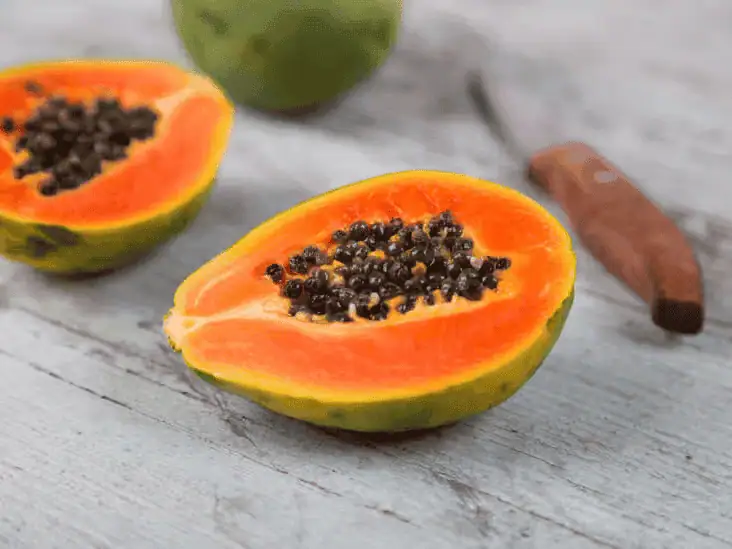
Papayas are often skipped because many consumers are intimidated by the large internal seeds and the messy peeling process. In 2026, experts suggest that buying pre-scooped and cubed papaya is the best way to integrate this enzyme-rich fruit into your diet.
Pre-cut papaya is typically processed at peak ripeness, ensuring you avoid the bland taste of an underripe whole fruit. Since papaya is known for supporting digestive health a major wellness theme in 2026, the convenience of a ready-to-eat tub makes it much easier to hit your daily fiber goals.
Citrus Segments: Mandarin and Grapefruit
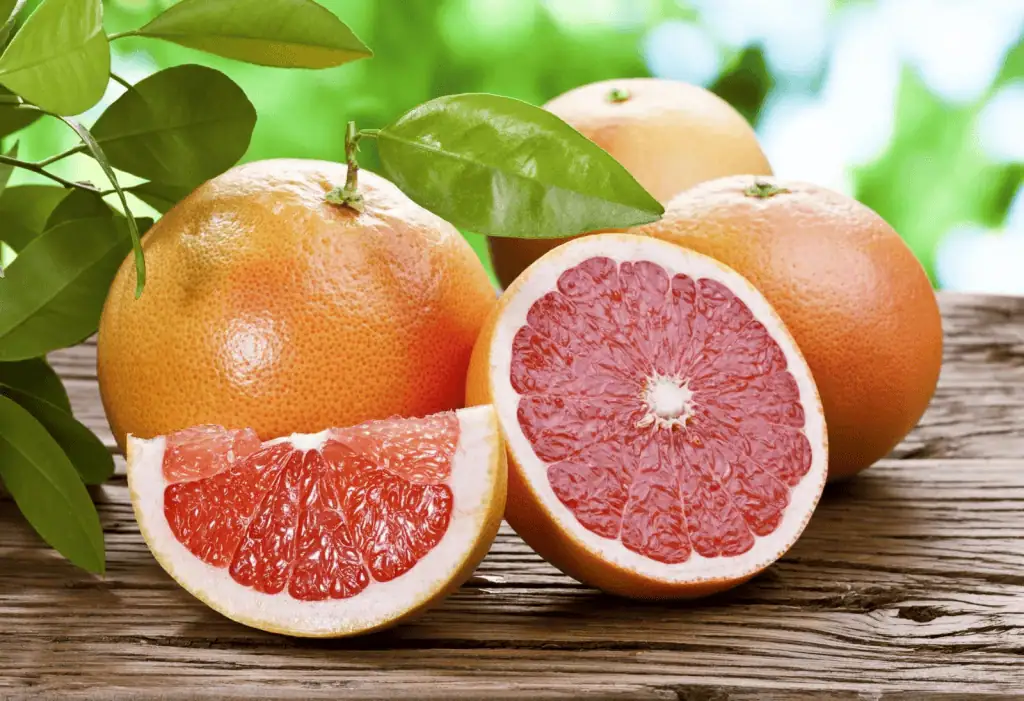
Preparing “supreme” citrus segments (where the bitter membrane is removed) is a high-skill task that even pro chefs find tedious. Buying pre-segmented mandarin oranges or grapefruit in their own natural juices is a massive win for 2026 shoppers.
These segments maintain their vitamin C levels remarkably well due to their natural acidity. Experts recommend these for those who want the benefits of citrus without the sticky hands or the labor of peeling. They are a “clean” snack choice that fits perfectly into the 2026 demand for high-quality, ready-to-eat convenience.
