
Wendy’s Just Entered Grocery Stores and Most Fans Didn’t Notice
When fast-food chains move into grocery stores, it’s usually loud and heavily marketed. This time, it wasn’t. Wendy’s quietly introduced a new retail product without fanfare, and many loyal customers only noticed it weeks later while browsing shelves. The understated launch marks a subtle shift in how Wendy’s is extending its brand beyond the drive-thru. Instead of hype or novelty, the move relies on familiarity and trust, signaling a long-term strategy rather than a short promotional stunt aimed at quick attention.
What Wendy’s Launched and Where It’s Showing Up

Wendy’s new grocery product is a shelf-stable version of its chili, now appearing in select supermarkets. Unlike many fast-food retail tie-ins that simply mirror restaurant items, this chili isn’t available inside Wendy’s locations at all. It’s built specifically for home consumption, with packaging and shelf life designed for pantries rather than counter service. That distinction matters. It shows Wendy’s isn’t testing novelty, but deliberately stepping into the retail food space. The product functions as a standalone grocery item, not a souvenir of a restaurant visit.
Why Fans Missed the Launch

Most fans missed the launch because it wasn’t treated like an event. There was no major advertising push, no social media countdown, and no limited-time framing to create urgency. The product simply appeared on shelves, relying on brand recognition rather than announcements. Wendy’s fans are used to bold menu reveals and viral promotions, so few were scanning grocery aisles for the brand’s next move. The quiet rollout suggests confidence Wendy’s didn’t need noise to test demand. Instead, discovery was left to chance, word-of-mouth, and routine shopping behavior.
Why Wendy’s Is Doing This Now
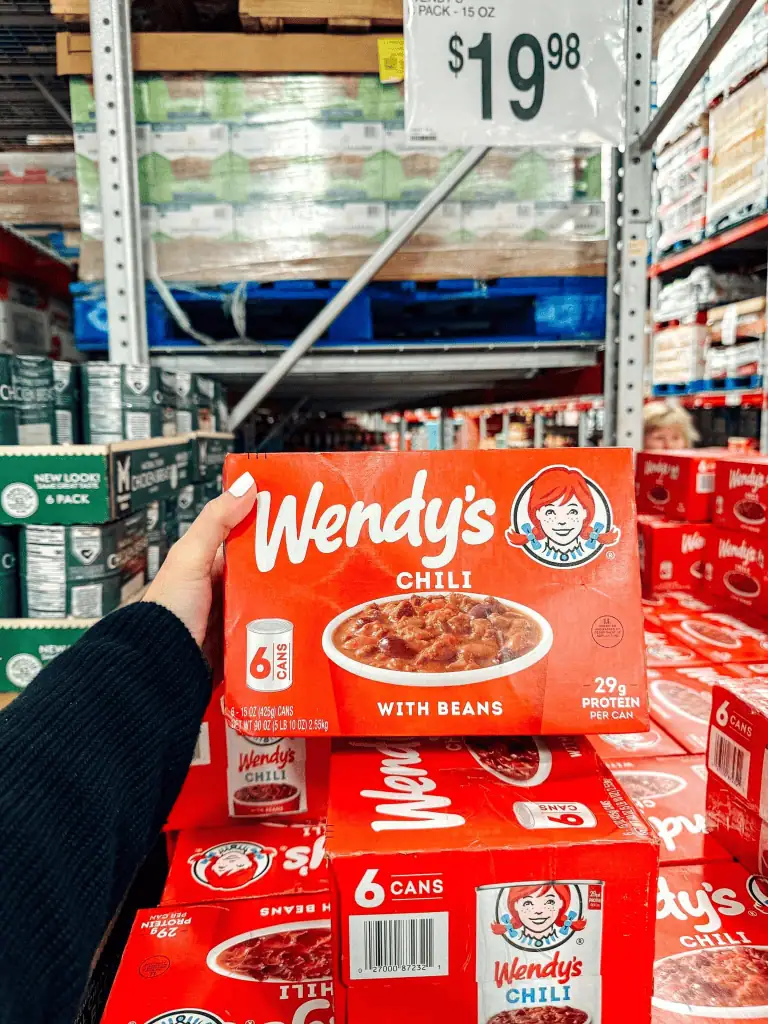
Retail expansion gives Wendy’s a way to stay present in customers’ lives outside traditional meal occasions. Grocery products extend the brand into kitchens, pantries, and weekly shopping routines, spaces restaurants don’t naturally occupy. As restaurant traffic fluctuates and more people rely on at-home meals, shelf-stable foods offer predictability. They generate brand touchpoints without depending on foot traffic, staffing levels, or daypart demand. For Wendy’s, this move isn’t about replacing restaurants, but about creating steadier engagement in a food landscape where habits are less predictable than they once were.
How This Differs From Other Fast-Food Grocery Products

Most fast-food grocery launches focus on sauces, frozen sandwiches, or reheated versions of existing menu items. Wendy’s approach is noticeably quieter and more restrained. By choosing chili, a food already associated with comfort and home eating, the brand avoids novelty and gimmicks. This isn’t a product meant to feel exciting for a moment; it’s designed to blend into everyday meals. That choice suggests Wendy’s is testing durability and repeat purchase behavior, not social-media buzz. The strategy feels less like brand merch and more like a genuine attempt to compete in the grocery aisle long term.
What This Means for Wendy’s Fans
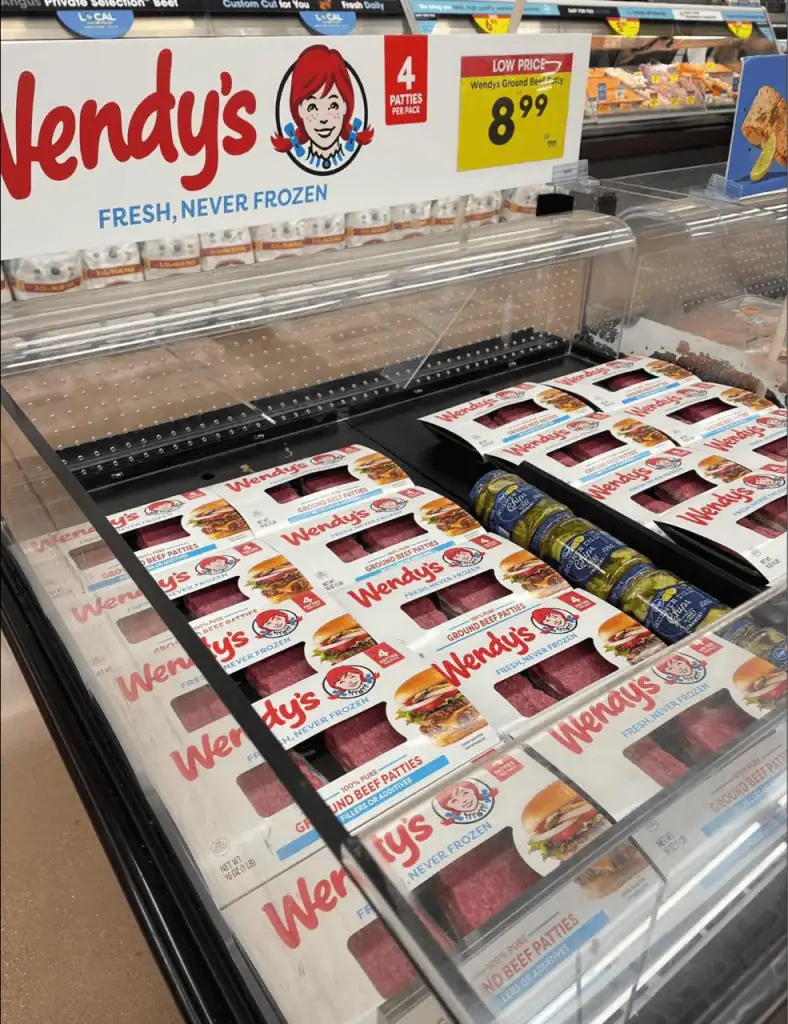
For fans, the grocery chili offers a low-effort way to bring Wendy’s into home routines. It’s convenient, familiar, and doesn’t require a drive-thru visit or timing a restaurant run. The quiet rollout may have slowed discovery, but it also frames the product as practical rather than collectible. Fans aren’t being pushed to try it “before it’s gone.” Instead, it sits alongside other pantry staples, blurring the line between restaurant food and everyday meals. That positioning makes the product feel usable and repeatable, not like a novelty tied to brand hype.
