
10 Foods You’ll Probably Never See on a Cruise Ship Kitchen
Cruise ship kitchens have strict guidelines to ensure passenger safety, leading them to avoid certain ingredients. These excluded foods are not only about taste preferences but primarily about health risks and compliance with international regulations. From risky delicacies to items prone to contamination, understanding these choices sheds light on the intricacies of cruise cuisine.
The Raw Milk Dilemma

Raw milk presents a significant challenge due to its potential for harboring harmful bacteria like Listeria and Salmonella. Without pasteurization, the risk is too great for cruise ships, where an outbreak can affect many passengers quickly. Instead, pasteurized dairy is used, offering safer options while ensuring creamy textures and rich flavors remain intact in dishes.
Pufferfish: A Risky Delicacy
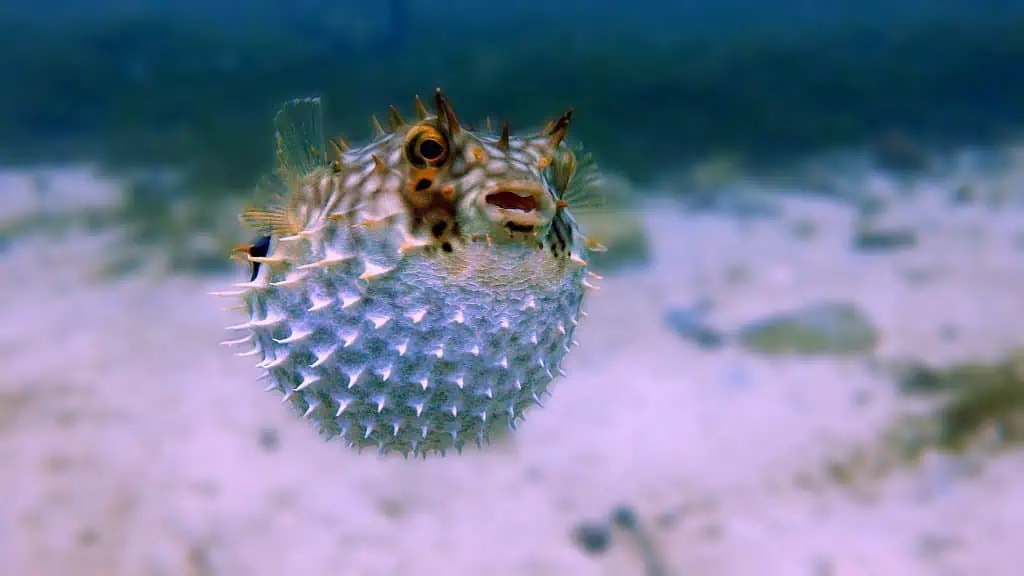
Pufferfish, or fugu, is a delicacy known for its delicate flavor but also for its tetrodotoxin, a potent toxin. The skill required to safely prepare it is immense, with only certified chefs trained to handle this fish. Cruise ships avoid the liability due to strict international safety standards and the potential for human error, opting for safer seafood alternatives.
Unpasteurized Cheese Concerns

Without pasteurization, cheese can harbor pathogens like E. coli or Listeria, posing serious health risks. Cruise ships prioritize passenger safety, opting for pasteurized cheeses that offer similar flavor profiles without compromising quality. This ensures passengers can enjoy a wide range of textures and tastes while minimizing potential foodborne illness.
Fresh Sprouts: A Germ Magnet
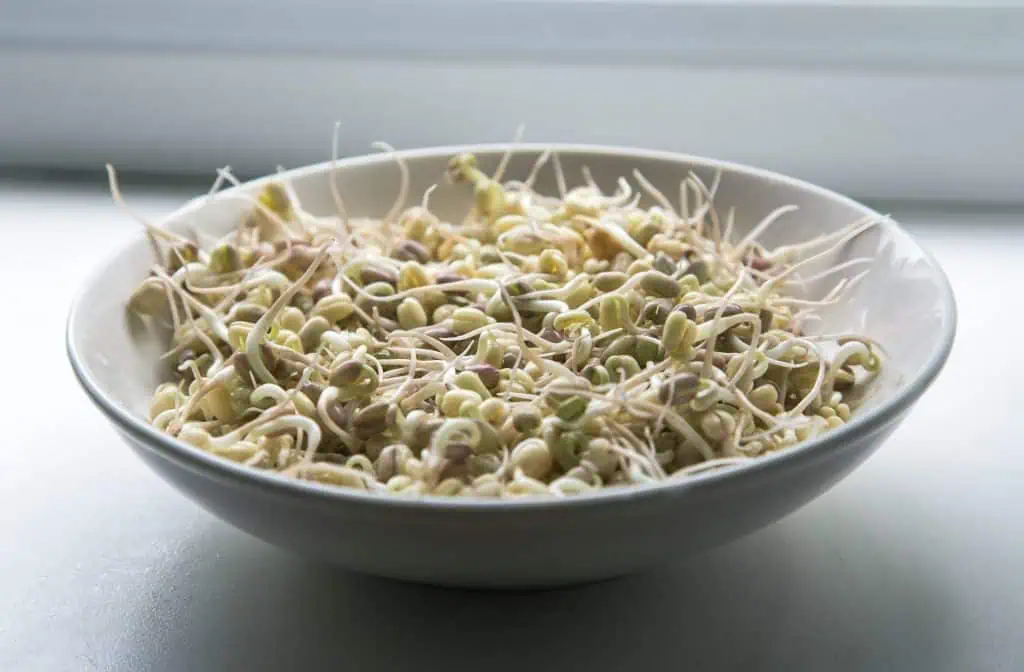
Fresh sprouts are notorious for harboring bacteria due to their ideal growth conditions, warm and moist. Cruise kitchens bypass them to prevent outbreaks, focusing on safer, flavorful alternatives like crisp greens or microgreens. These options provide similar freshness and crunch, enhancing dishes without the risk associated with sprouts.
The Shark Fin Controversy

Shark fins have long been a contentious ingredient, often absent from cruise ship kitchens due to ethical concerns and conservation regulations. Their reputed use in luxury dishes doesn’t justify their impact on shark populations, driving many establishments to exclude them. Home chefs should focus on sustainable seafood choices, exploring alternatives like squid or octopus, which offer unique textures and oceanic flavors without compromising ethics. Opting for responsibly sourced ingredients ensures flavorful, guilt-free dishes while respecting marine ecosystems.
Absinthe: The Thujone Factor

Absinthe, historically known as “the green fairy,” is barred from cruise ships primarily due to its thujone content, a compound considered potentially toxic. Despite its infamous allure, many modern absinthes available today are formulated to be safe with regulated thujone levels. For home bartenders looking to replicate absinthe’s anise-forward profile, consider using anise-flavored spirits like pastis or fennel syrup. These allow for the creation of complex, aromatic cocktails without regulatory concerns, providing a safer yet indulgent experience.
Durian Fruit: The Smelly Truth
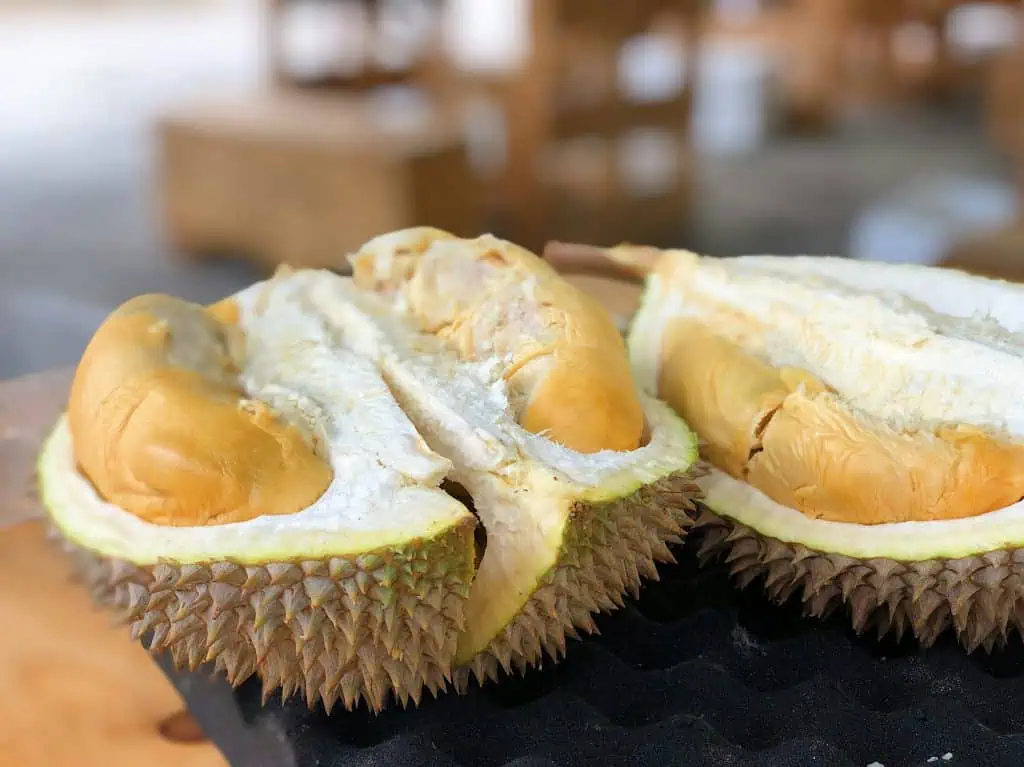
Durian, notorious for its pungent aroma, rarely finds its way into cruise ship kitchens. Its intense odor can permeate confined spaces, making it unwelcome in many public settings. Despite this, its creamy texture and unique taste are beloved by many. For those curious to try durian at home, consider enjoying it outdoors or in well-ventilated areas. Pair it with coconut milk or sticky rice to balance its complexity and harness its flavorful potential without overwhelming your kitchen or guests.
Rare Game Meats Banned

Rare game meats such as bear, horse, or various exotic species are typically absent from cruise ship menus due to international wildlife conservation laws and supply challenges. These meats, often prized for their unique flavors, require thoughtful preparation. For adventurous home cooks, more sustainable options like venison or bison provide a similar depth and richness. These alternatives offer a chance to experiment with uncommon flavors, using techniques like slow braising or open grilling to enhance their natural juiciness and savoriness.
Raw Eggs: A Cruise No-Go

Raw eggs are often avoided in cruise ship kitchens due to health risks, including salmonella concerns. While traditionally used in dishes like hollandaise or Caesar dressing, pasteurized eggs provide a safer alternative. At home, consider using pasteurized eggs or cooking these sauces gently over a bain-marie for a creamy, rich consistency without health worries. Incorporating techniques like tempering and careful heat control enhances safety while maintaining the lush textures and flavors expected from egg-based preparations.
Wild-Caught Seafood Risks
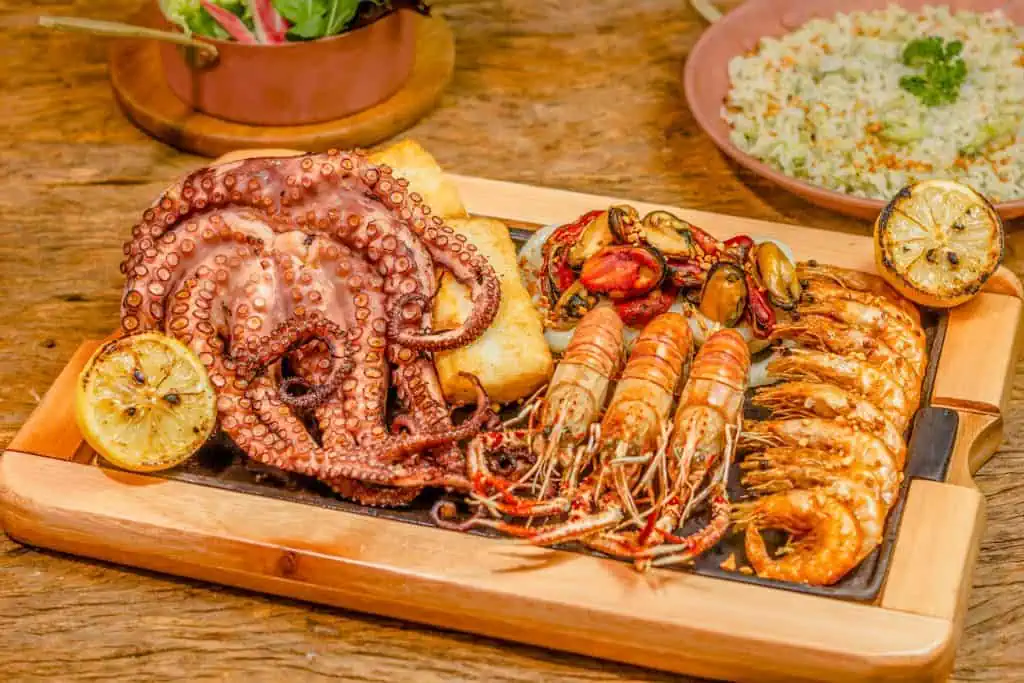
Cruise ships often avoid wild-caught seafood due to supply consistency and safety concerns. Wild seafood can be unpredictable in both availability and size, complicating menu planning for large groups. Moreover, the risk of contamination from pathogens like Vibrio or parasites increases if not handled with exceptional care. Ships prioritize sourcing farm-raised alternatives where uniform quality and stability can be assured. This controlled environment ensures that seafood remains safe, reliable, and aligns with the rigorous health standards necessary for feeding large numbers of guests on board.
