
Why Low-Fat Isn’t Always the Smart Choice
For years, we were told that fat was the enemy. Low-fat everything was the golden rule. Low-fat yogurt, low-fat cheese, low-fat cookies (which were basically just sugar bombs in disguise). But here’s the thing: the science has changed. Experts now know that not all fats are bad—and that cutting out fat completely can actually backfire. Low-fat diets often replace fat with sugar and refined carbs, which can spike your blood sugar and leave you feeling hungry. Healthy fats like avocados, nuts, olive oil, and fatty fish are actually good for you. They keep you full, support brain health, and even help your heart. The problem isn’t fat. It’s the wrong kind of fat—and the hidden carbs that sneak in when you go low-fat.
So if you’re still stuck in the low-fat mindset, it’s time for a refresh. In this article, we’re breaking down 4 key things you need to know about low-fat diets—from hidden carbs and hunger pangs to the surprising truth about dairy and the importance of omega-3s. You’ll learn simple tips like how to read labels for hidden sugars, why full-fat dairy might be better for you, and how to incorporate healthy fats that actually satisfy. No extremes. Just real, balanced advice to help you eat smarter and feel better. Let’s rethink fat.
Hidden Carbs in Low-Fat Diets
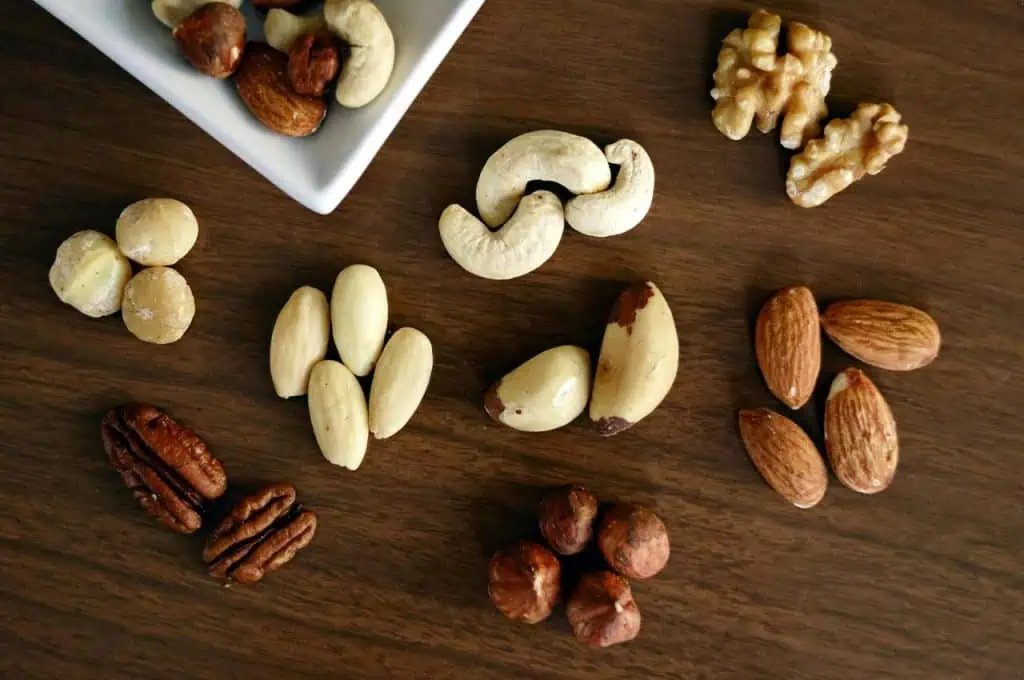
Low-fat foods often compensate for flavor and texture by incorporating additional carbohydrates. This substitution can lead to a spike in blood sugar levels, as these hidden carbs are frequently refined sugars or starches. Reading ingredient labels is essential to identify these concealed components. Whole-food alternatives, like fresh vegetables or nuts, offer a satisfying texture and flavor without the unnecessary carbohydrate load. By being vigilant, you can maintain a balanced diet and avoid the pitfalls of these carb-heavy low-fat products.
The Hunger Pangs of Low-Fat Eating

One common complaint about low-fat diets is the lingering sense of hunger. Eliminating fats can lead to meals that don’t satiate, as fats play a critical role in signaling feelings of fullness. To counteract this, incorporating healthy fats such as avocado, nuts, and olive oil offers a richer taste profile and longer-lasting energy. These fats not only enhance the satiety of meals but also provide essential nutrients that contribute to overall well-being. Moderating fat, rather than eliminating it, often leads to more satisfying meals.
The Surprising Truth About Dairy

Dairy products have been a focal point in the discussion about fat. Recent studies indicate that full-fat dairy might not be as detrimental as once thought. These products contain beneficial fatty acids that can support metabolic health and provide essential vitamins like A and D. Opting for full-fat versions can offer a more authentic flavor and satisfying experience, while contributing beneficial nutrients. It’s important, however, to use these products in moderation, balancing them with other healthy options to maintain a well-rounded diet.
Heart Health: The Omega-3 Factor

Omega-3 fatty acids are pivotal in maintaining cardiovascular health and are typically found in higher concentrations in fatty foods like fish, nuts, and seeds. Low-fat diets may inadvertently reduce omega-3 intake, potentially impacting heart health. To ensure a sufficient supply, focus on incorporating sources like salmon, walnuts, and flaxseeds. These ingredients not only reinforce heart health but also enhance flavor and texture diversity in meals. Understanding the type of fat consumed is crucial for long-term heart wellness.
