
The Top 4 Anti-Inflammatory Proteins, Backed by Dietitians
Incorporating anti-inflammatory proteins into your diet can be a transformative approach to promoting overall health. These proteins help reduce inflammation, associated with chronic conditions. Choosing the right ingredients not only aids in managing these issues but also enhances flavor and diversity in your meals. Here, we discuss four top anti-inflammatory proteins favored by dietitians, offering practical insights into their benefits and easy ways to include them in your daily routine.
Understanding Anti-Inflammatory Diets
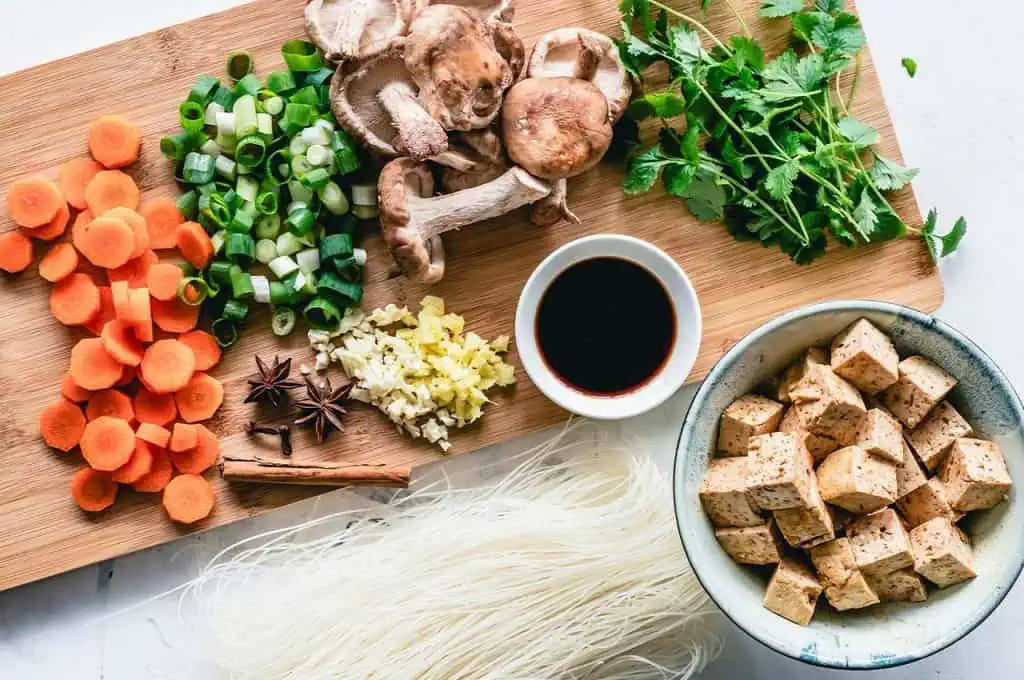
An anti-inflammatory diet focuses on foods that combat inflammation and promote well-being. It includes plenty of fruits, vegetables, whole grains, and healthy proteins. Understanding these principles allows you to make informed choices that align with your health goals. The proteins we'll cover provide essential nutrients, improve metabolic health, and support immune function. Incorporating them ensures a balanced approach to combating inflammation naturally and effectively.
Beans: A Powerhouse Protein

Beans are an excellent source of plant-based protein and fiber, ideal for reducing inflammation. Rich in antioxidants, they also provide essential nutrients like folate and magnesium. To enhance flavor, cook them with aromatic herbs such as thyme and bay leaf. Beans adapt well to various dishes, whether in hearty salads or warming soups. Achieving the perfect texture involves soaking them overnight and simmering slowly, ensuring they retain their structure while absorbing flavors.
The Benefits of Fatty Fish

Fatty fish like salmon and mackerel are rich in omega-3 fatty acids, known for their powerful anti-inflammatory effects. These proteins support heart health and cognitive function. Choose fresh, high-quality fish and prepare it simply, grilled with a squeeze of lemon and a sprinkle of dill to enhance its natural flavor. Cooking time is crucial; sear skin-side down over medium heat until crispy, then finish in the oven to maintain moisture and ensure a flaky texture.
Lentils: Nutrient-Rich Legumes
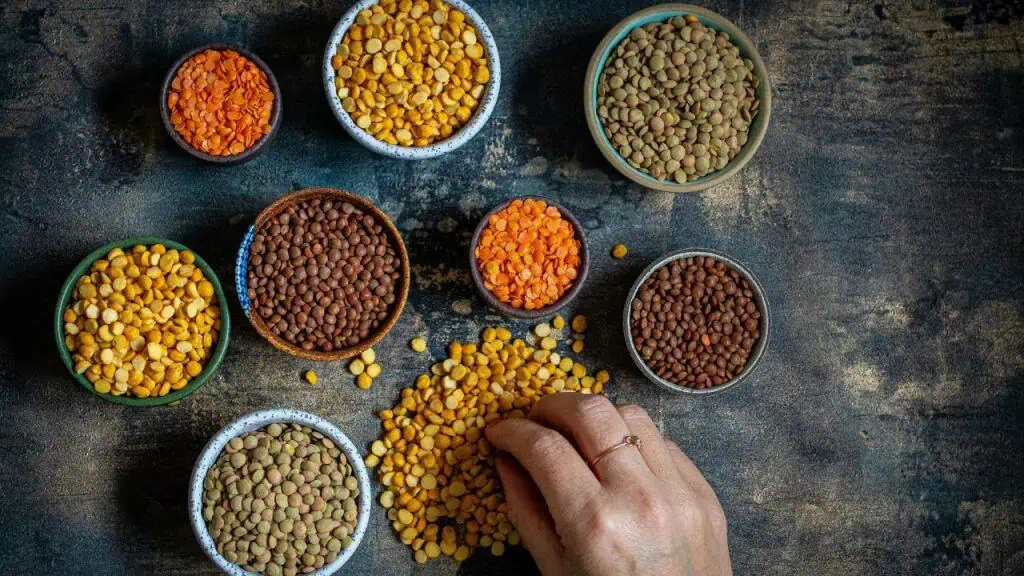
Lentils are an outstanding source of protein and fiber, packed with anti-inflammatory polyphenols. Their quick cooking time and ability to absorb spices make them versatile in various recipes. When cooking, rinse and sort them, then simmer gently to preserve their shape. Incorporate them into stews or salads for a nutritious addition. Pair with turmeric or ginger, known for their own anti-inflammatory properties, to enhance flavor and health benefits.
Nuts: The Crunchy Inflammation Fighters
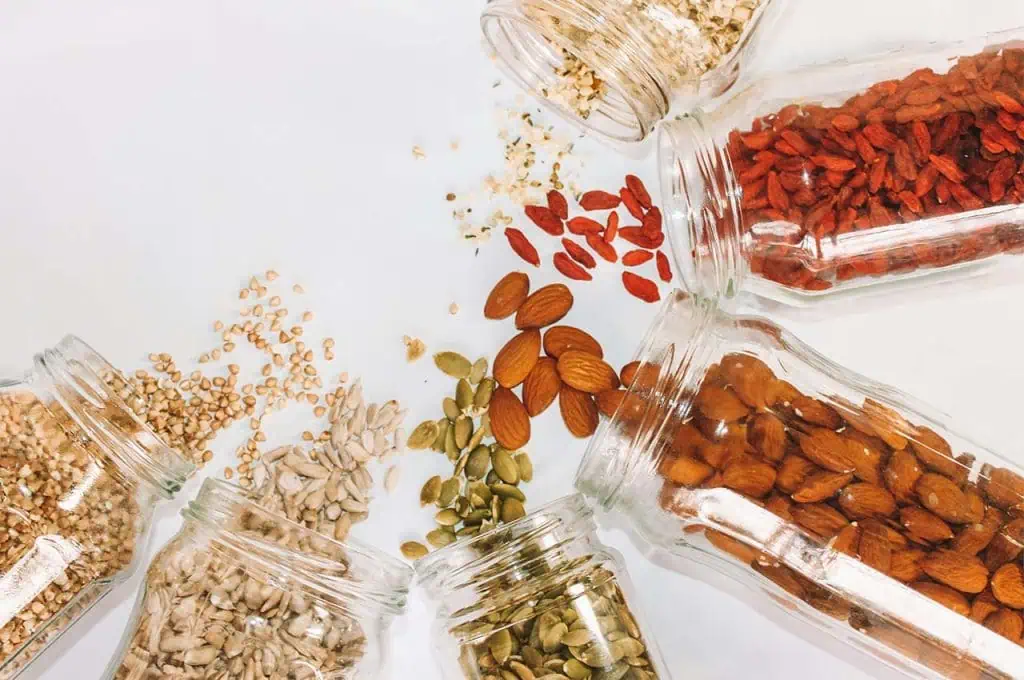
Nuts, rich in omega-3 fatty acids and antioxidants, are potent allies against inflammation. Almonds and walnuts, in particular, offer an excellent balance of healthy fats, protein, and fiber. To maximize their anti-inflammatory effects, opt for raw or lightly toasted varieties, which preserve essential nutrients. Incorporate them into your diet by adding them to salads or yogurt, or enjoy them as a standalone snack. Their natural oils also add depth to homemade dressings. By maintaining a moderate portion size, you harness their benefits without excessive calorie intake.
The Bottom Line on Anti-Inflammatory Proteins

Integrating anti-inflammatory proteins into your diet can enhance overall well-being by reducing inflammation and promoting heart health. Prioritize sources like nuts, legumes, and fatty fish, which provide vital nutrients and help maintain muscle mass. It’s essential to balance these proteins within a varied diet, rich in fruits, vegetables, and whole grains, to achieve optimal health benefits. For those aiming to manage inflammation, focusing on these high-quality proteins can lead to tangible improvements in both energy levels and immune function.
