
Fruit Face-Off: 7 Nutrition Powerhouses vs. 6 That Fall Short
In the world of fruits, nutritional value varies widely, offering a range of benefits that can bolster your diet or simply add variety to your meals. Some fruits emerge as remarkable sources of vital nutrients, while others don’t quite measure up in nutritional density. This guide will highlight seven powerhouse fruits packed with essential vitamins and minerals, beginning with a focus on blueberries, kiwis, strawberries, and oranges, each offering unique health advantages when included in your diet.
Blueberries: Antioxidant Giants
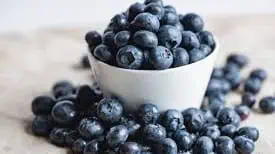
Blueberries stand out with their deep color, indicating high levels of anthocyanins, powerful antioxidants that may reduce inflammation and lower the risk of chronic diseases. To maximize their benefits, enjoy them raw or gently blended into smoothies. Pair with chia seeds for a nutrient-dense breakfast or toss them into a fresh salad. Their juicy texture and subtle sweetness make them versatile in both sweet and savory dishes, maintaining their nutritional punch while enhancing flavor.
Kiwis: Vitamin C Overload

Kiwis pack a surprisingly high amount of vitamin C, offering more per serving than oranges. The vibrant green flesh also contains fiber and vitamin K, promoting digestive health. To fully enjoy their benefits, consume kiwis raw, adding them to yogurt bowls or slicing into a refreshing fruit salad. Peeling kiwis may seem daunting, but a simple technique is to cut off the ends and scoop out the flesh using a spoon, preserving both texture and nutrients without the fuss.
Strawberries: Fiber-Rich Delight

Strawberries are a fantastic source of dietary fiber and vitamin C, promoting heart health and aiding digestion. To keep their luscious flavor intact, use strawberries fresh, whether tossed into salads or served with a dollop of yogurt. Try slicing them and pairing with balsamic vinegar for an unexpected but delightful dish. When cleaning strawberries, rinse them thoroughly under cold water right before use to preserve their natural sweetness and texture.
Oranges: Immune System Booster

Oranges are renowned for their rich vitamin C content, essential for supporting immune function and maintaining skin health. For the freshest flavor, engage in a simple peeling technique: use a sharp knife to remove the peel and pith, retaining the juicy segments. Oranges are excellent both as a snack and in a variety of dishes, from savory recipes to refreshing beverages. Their citrusy zest can also elevate dressings and marinades, offering a bright, aromatic touch.
Apples: Versatile Health Heroes

Apples offer a delightful balance of sweetness and crisp texture, making them a kitchen staple. Rich in dietary fiber and vitamin C, they support digestive health and immune function. For a vibrant salad, toss sliced apples with walnuts and blue cheese. When baking, choose firmer varieties like Granny Smith for a tart, robust flavor. To retain nutrients, avoid peeling them as the skin holds valuable antioxidants. With their natural versatility, apples can easily swing from being the star of a dessert to lending complexity to savory dishes.
Pomegranates: Heart-Healthy Choice

Pomegranates boast high levels of antioxidants, particularly punicalagins, which may lower heart disease risk. Extracting seeds requires a gentle touch: cut the fruit in half and tap the back with a spoon over a bowl to release the arils. Their sweet-tart flavor enhances salads, yogurt, and grilled meats. Pomegranate molasses adds depth to dressings and marinades. Including this vibrant fruit in your diet can bolster cardiovascular health, making it more than just a seasonal treat.
Grapes: Nature’s Candy with Benefits

Grapes offer a burst of sweetness, packed with hydration, vitamins C and K, and polyphenols like resveratrol. For a refreshing snack, freeze them whole; add halved grapes to chicken salad for juicy bursts of flavor. Roasting grapes with a drizzle of olive oil brings out their caramel notes, perfect alongside roasted meats. Choose red or black varieties for higher antioxidant content. Grapes may be small, but they carry significant health benefits, demonstrating that nutritious options can be as delightful as nature’s candy.
6 Fruits That Fall Short

Not all fruits pack the same nutritional punch. While many are loaded with vitamins, fiber, and antioxidants, some fall short of expectations. In this article, we’ll explore six fruits that may look healthy but offer limited nutritional benefits compared to others. Whether they’re high in sugar, low in fiber, or lacking in essential nutrients, these fruits may not be the best choices if you’re aiming for a nutrient-rich diet. Let’s uncover which ones might be more hype than health.
Bananas: Falling Short on Fiber

While bananas are rich in potassium and provide a quick energy boost, they fall short in fiber compared to other fruits. Slices are a handy addition to cereal or smoothies, contributing creaminess and sweetness. Choose them ripe for maximum natural sugars, but consider pairing with fibrous foods like oats or nuts to enhance digestive health. Bananas’ convenience makes them an ideal on-the-go snack, but remember to diversify fruit intake for comprehensive nutrient coverage.
Pineapples: Sugar Overload Concerns

Pineapples offer tropical allure with enzymes like bromelain aiding digestion, but their high sugar content warrants moderation. Fresh slices add zest to savory dishes, reducing the need for added sugars. Use pineapples in salsas to complement spicy flavors or grill them to accentuate natural caramelization. Opt for whole fruit over juice to bypass excessive sugars and retain fiber. Appreciating pineapples’ tangy charm alongside mindful consumption ensures they remain a refreshing yet balanced part of the diet.
Cherries: Hidden Sugar Content

While cherries are lauded for their antioxidants, they also carry a substantial sugar content that may surprise some. With about 18 grams of sugar per cup, cherries can spike your blood sugar levels. To manage their sweetness while enjoying their benefits, pair cherries with protein-rich snacks like almonds. This combination can help stabilize your glycemic response. Choose fresh over dried cherries whenever possible, as drying concentrates sugar content, transforming a healthy snack into a sugar-laden indulgence.
Grapefruit: Watch the Sugar Levels
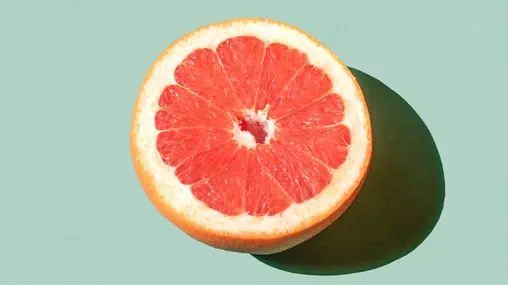
Grapefruit earns praise for its vitamin C and dietary fiber, yet its sugar content warrants attention. Though lower than some fruits, grapefruits still contain about 8 grams of sugar per half. To balance this, consider portion control and pair the fruit with a protein, such as yogurt, to help regulate sugar absorption. Additionally, consuming grapefruit in the morning maximizes its metabolism-boosting effects while providing a refreshing, tart start to your day.
Cantaloupes: Low Fiber Content
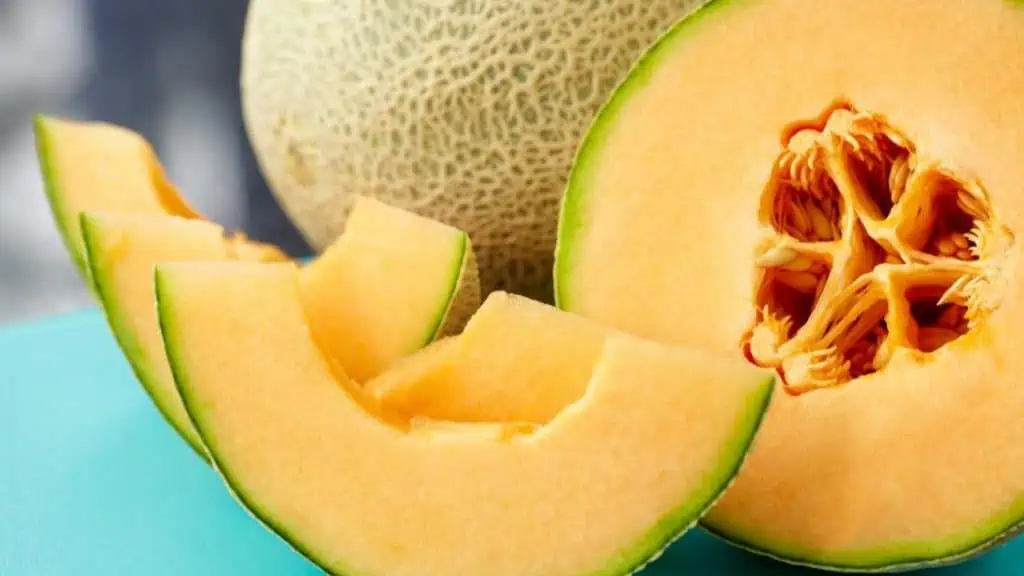
Despite their juicy appeal and high vitamin A content, cantaloupes fall short in fiber. With only 1.5 grams of fiber per cup, they may not satisfy dietary needs. To enhance fiber intake, complement cantaloupes with higher-fiber fruits like berries or mix them into a leafy green salad. This pairing not only elevates the texture contrast but also balances the sweetness with a touch of earthy bitterness, creating a more fulfilling dish.
Honeydew: Hydrating but Lacking

Honeydew melons offer excellent hydration with their high water content, but they come up short in essential nutrients like fiber and vitamins. With a mere 1.4 grams of fiber per cup, it’s vital to supplement honeydew with more nutrient-dense options. Enhance your snack by combining honeydew with a sprinkle of chia seeds or a handful of nuts to boost nutritional value and texture. This approach yields a refreshing yet more complete and satisfying meal.
