
The Frozen Revolution: How Freezing Changed What We Eat and What It Cost Us
Freezing has revolutionized our eating habits by preserving food at its peak freshness, making it accessible year-round. From peas to pizzas, freezing has made drastic changes in how we shop, cook, and consume. This shift, however, has also brought about discussions on its impact on taste, nutrition, and our relationship with food. This exploration delves into how the advent of freezing has altered our culinary landscape and the significant trade-offs involved.
From Ice Harvesting to Freezers
In the early days, ice was harvested from frozen lakes and used to preserve perishables, a labor-intensive process. The invention of electric freezers transformed this practice by providing consistent, controlled temperatures, making home freezing a mainstay. This technological advancement laid the groundwork for modern refrigeration, giving rise to the wide range of frozen foods available today. Understanding this evolution offers insights into how preservation techniques have improved cooking and extended ingredient accessibility.
Post-War Boom: The Age of Convenience
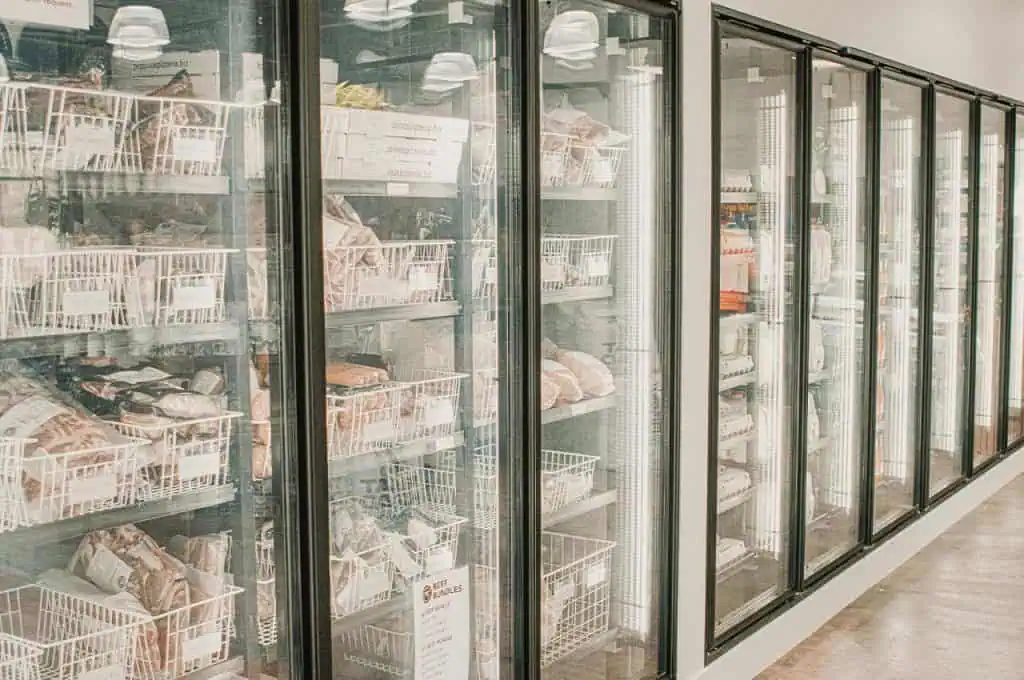
The post-war era saw a surge in demand for convenience, leading to the popularization of frozen meals. These ready-to-eat options appealed to a busy society, providing quick meal solutions. The technology allowed for mass production and distribution, making once seasonal or regional ingredients available year-round. While these products delivered on ease, they often compromised on taste and texture, prompting ongoing advancements to address these issues and meet evolving consumer expectations.
Breaking Seasons: Globalizing the Plate
Freezing technology breaks traditional seasonal boundaries, allowing us to enjoy global flavors regardless of location and time of year. Techniques such as flash freezing preserve the integrity of ingredients, making it possible to savor fresh-tasting produce long after its natural season. This has transformed dining by promoting culinary diversity and creativity, though it also raises concerns about sustainability and the environmental impact of frozen food logistics.
Nutritional Trade-Offs: Flavor and Health
While freezing helps retain nutrients better than other preservation methods, there can be flavor trade-offs. Some ingredients lose their texture and taste nuances, affecting the sensory experience. Additionally, frozen meals are often laden with preservatives and sodium to enhance shelf life, which can impact health negatively. Balancing these trade-offs involves choosing high-quality frozen options and complementing them with fresh foods, ensuring meals are both nutritious and flavorful.
The Hidden Cost: Energy and Environment
Freezing food has revolutionized convenience in cooking, but it comes with environmental costs that often go unnoticed. The energy required to keep freezers running constantly contributes significantly to carbon emissions. When considering the ecological footprint of frozen foods, it’s essential to account for the entire energy consumption from production to transportation. Opt for energy-efficient appliances and practices like batch cooking to minimize energy waste. By choosing sustainably sourced frozen products, consumers can mitigate some impact, balancing convenience with environmental responsibility.
Flash-Freezing: Cold Chain Innovations
Flash-freezing preserves food quality remarkably well, locking in nutrients and flavors that slow-freezing often compromises. This method uses rapid cooling to prevent large ice crystals from forming, which helps maintain texture and taste. Innovations in cold chain technology ensure that these benefits extend from processing to your kitchen, maintaining a steady temperature throughout distribution. Understanding these processes allows home cooks to appreciate the superior quality of flash-frozen items, offering them a closer experience to fresh produce without the degradation seen in traditional methods.
Farm-to-Freezer: Sustainability Ahead

The farm-to-freezer approach emphasizes quick processing post-harvest, which preserves nutritional integrity and reduces food waste. By freezing produce at its peak freshness, this method minimizes spoilage and supports a sustainable supply chain. Consumers seeking environmentally friendly options find that frozen foods, when sourced responsibly, offer a viable solution to seasonal availability issues. Using flash-freezing and committing to local sources strengthens this loop, offering a greener choice that aligns with both environmental and health-focused goals. Ensuring traceability helps validate these benefits for the conscious consumer.
