
7 old-school kitchen habits that would get restaurants shut down today
In today’s culinary world, food safety standards are vital, not just in professional kitchens but also at home. While cooking traditions passed down through generations hold sentimental value, some practices once deemed acceptable are now recognized as health hazards. This guide filters through older habits, highlighting why certain methods no longer fit into modern kitchens. We’ll delve into these outdated techniques, offering insight on avoiding them and ensuring meals that are both delicious and safe.
Room Temp: Cooked Food Left Out All Day

Leaving cooked food unrefrigerated for extended periods was once commonplace, but it risks exposure to bacteria like E. coli or Salmonella. Modern guidance recommends minimizing time cooked food spends at room temperature—no more than two hours. To preserve flavor and safety, transfer leftovers to airtight containers and refrigerate promptly. This process not only retains taste and texture but also prevents bacterial growth, safeguarding your culinary creations.
Tasting Spoons: Wash Before Reuse

Reusing tasting spoons without washing is a past habit that compromises food hygiene and flavor integrity. Each dip introduces bacteria and risks altering a dish’s taste profile. Instead, keep multiple clean spoons handy or wash thoroughly between tastings. This practice ensures each sample remains untarnished, providing an accurate reflection of the dish at each stage of preparation, ultimately enhancing both safety and quality.
Cross-Contamination: Meat & Produce Together
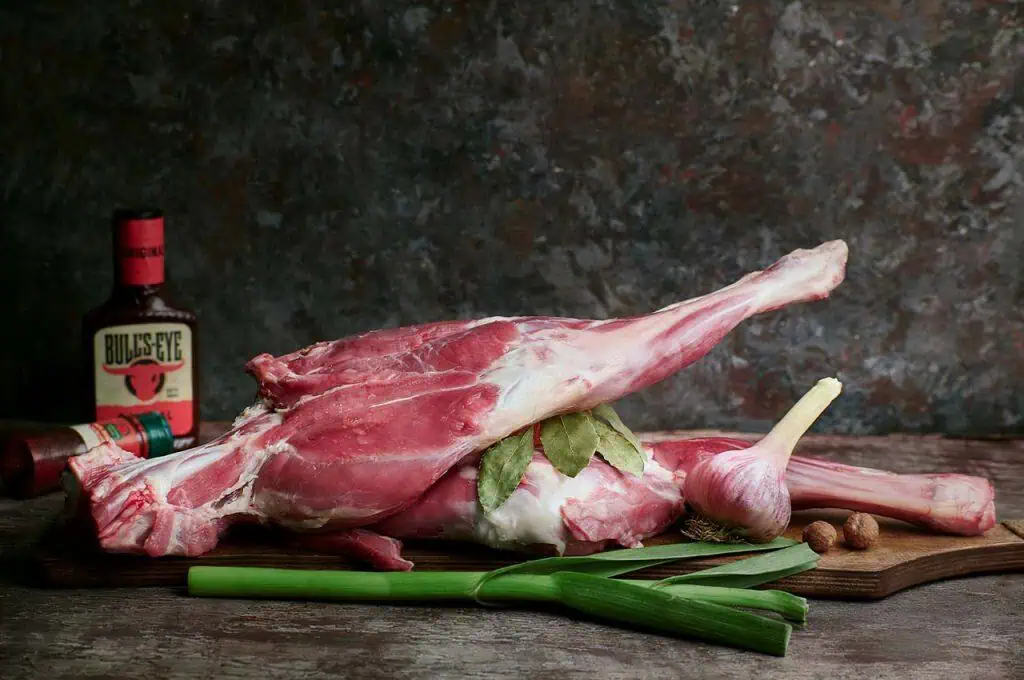
Utilizing the same cutting board for raw meats and fresh produce was routine, yet it risks cross-contamination. Today’s guidelines emphasize separate surfaces and utensils for meats and vegetables, preventing pathogen transfer. Invest in color-coded boards or diligently sanitize in between uses. This simple separation guarantees that flavors shine while maintaining optimum health standards, avoiding the potential spread of harmful bacteria.
Hands-Off Approach: Gloves & Hygiene Ignored
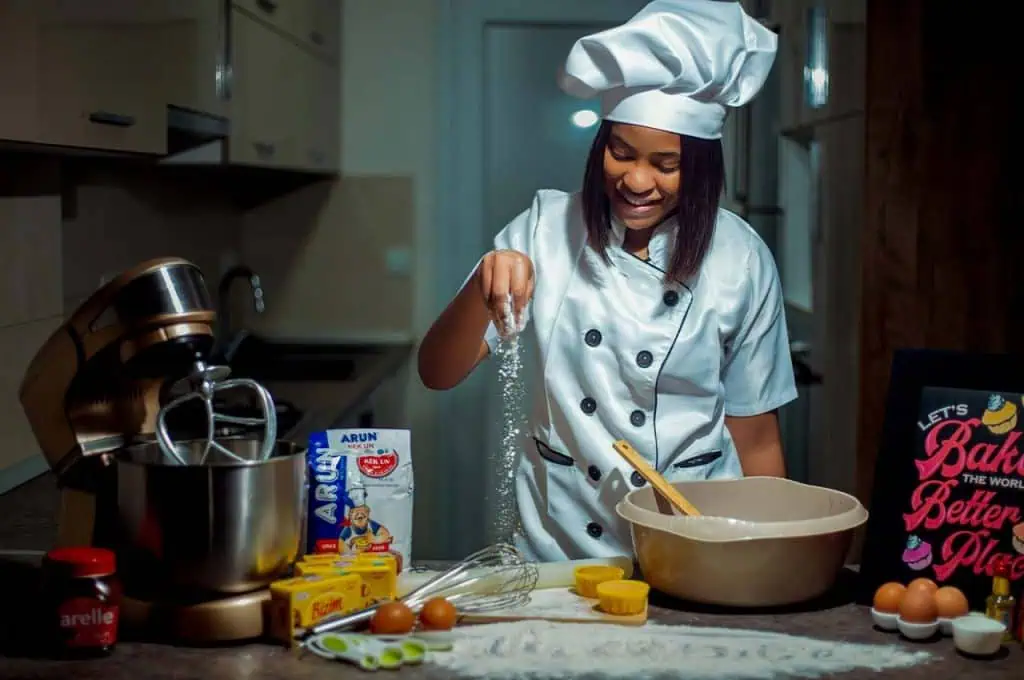
In the past, direct hand contact was standard, yet without proper hygiene practices in place. Modern kitchens champion rigorous handwashing and glove use when handling ready-to-eat foods. This approach prevents bacteria transfer while respecting ingredient integrity. Train yourself to wash hands thoroughly with soap and water and use gloves when appropriate. These steps ensure every meal is prepared in a safe and respectful manner, honoring the true flavors of each ingredient.
Oil Changes: Reusing Frying Oil Too Long
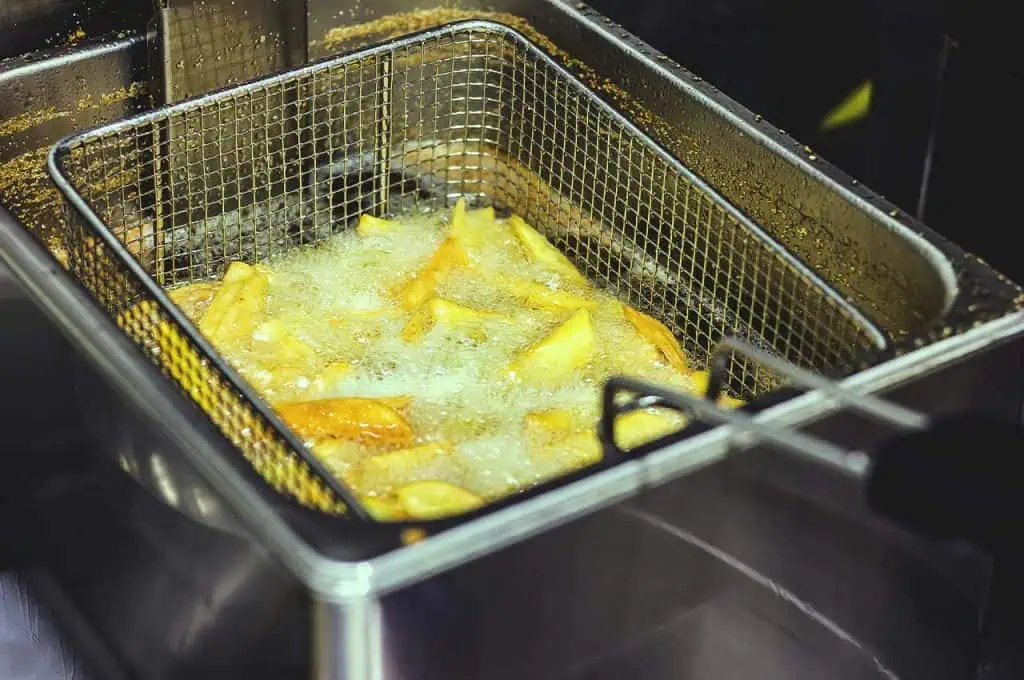
In any well-regulated kitchen today, the quality of frying oil is crucial for food safety and flavor. Prolonged reuse can lead to off-flavors and the breakdown of oil, potentially releasing harmful compounds. Instead of reusing oil indefinitely, monitor its clarity, aroma, and smoking point. Opt for high-quality oils with a high smoke point to extend usability, and strain the oil after each use to remove food particles. This not only maintains taste but also promotes a healthier cooking environment.
Cooling Mistake: Large Pots at Room Temperature
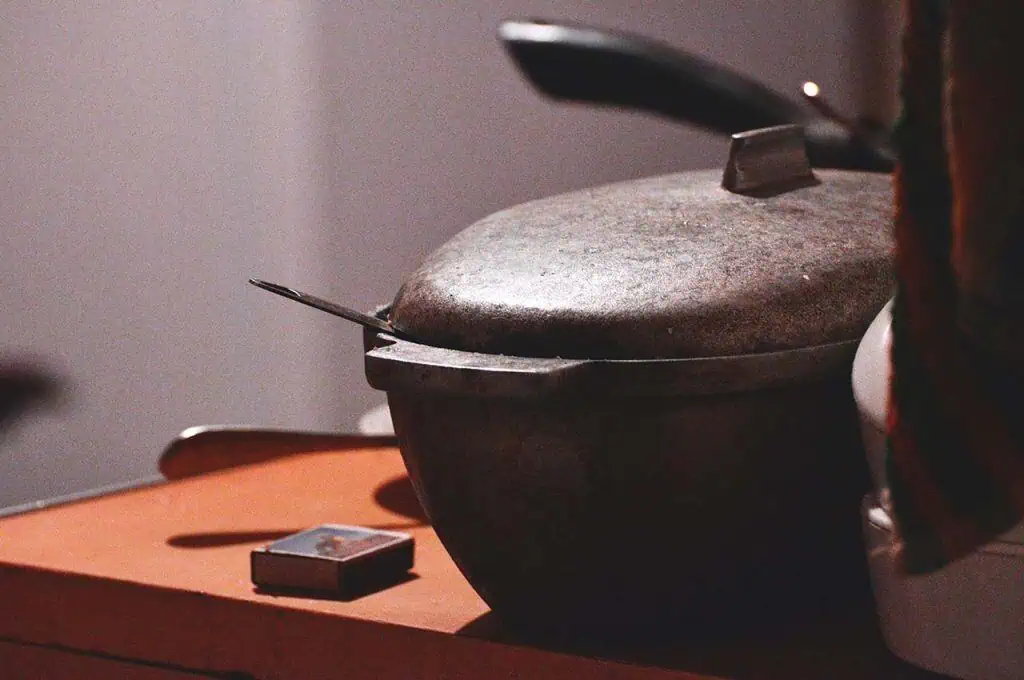
In professional kitchens, cooling large batches of food improperly can lead to bacterial growth. To ensure safety, avoid leaving large pots at room temperature. Divide hot food into smaller, shallow containers to expedite the cooling process. Use an ice water bath to further reduce temperature quickly. Stirring occasionally can also help evenly distribute the cold. This method not only preserves food quality but also aligns with health standards by keeping food out of the bacterial danger zone.
Neglect: Ignoring Temperature Logs
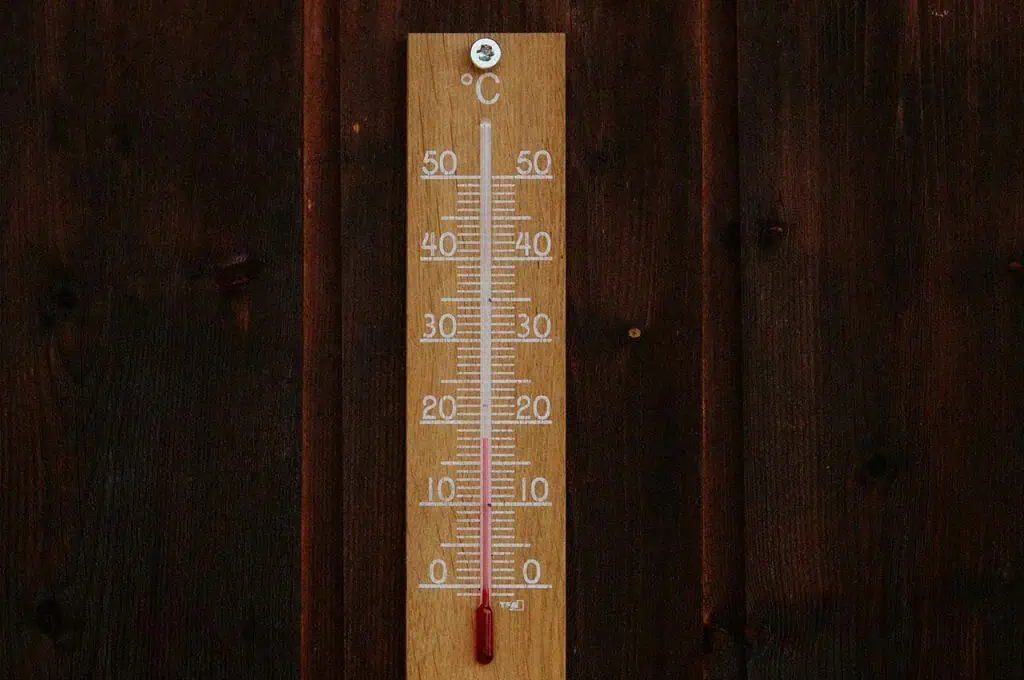
Temperature logs are a staple in modern, meticulously managed kitchens, safeguarding food safety by diligently tracking storage conditions. Monitoring and recording temperatures helps prevent spoilage and foodborne illnesses. Use calibrated thermometers to ensure accuracy, checking refrigeration units regularly. Consistent logging maintains accountability and identifies issues before they compromise food quality. Properly maintaining these records is not just a best practice; it’s an essential habit for respecting both safety standards and culinary integrity.
