
Are You Feeding Your Pet Like Family or Making these Costly Mistakes? 5 Food Choices Owners Regret
Many pet owners proudly say they treat their dogs or cats like family, especially when it comes to feeding choices. Premium brands, homemade recipes, and generous portions often feel like meaningful expressions of love and care. However, not every expensive or indulgent decision supports long-term health. In some cases, well-intentioned habits can quietly contribute to weight gain, digestive issues, or nutritional imbalance. These outcomes may eventually lead to avoidable veterinary expenses. Recognizing the difference between thoughtful feeding and costly overindulgence helps protect both a pet’s wellbeing and a household budget over time.
Overfeeding Premium Treats

Premium treats often carry higher price tags and marketing claims that suggest superior health benefits. While quality ingredients matter, frequent treat-giving can gradually increase daily calorie intake beyond recommended levels. Even small snacks accumulate quickly, particularly for smaller pets with lower caloric needs. Excess weight can strain joints, affect mobility, and contribute to preventable health concerns that require medical care. The key factor is portion control rather than branding alone. Treats are best used as occasional rewards within a balanced feeding plan, not as routine additions that unintentionally replace structured nutrition.
Switching Foods Too Frequently

Offering new flavors or rotating brands may seem like a way to provide variety, but frequent food changes can disrupt digestive stability. Sudden switches may cause stomach upset, irregular appetite, or inconsistent stool quality. Gradual transitions are typically advised to allow pets time to adjust safely. Constantly changing formulas also makes it harder to identify food sensitivities if symptoms develop. While novelty feels engaging, consistency often supports stronger long-term health outcomes. Establishing a stable, nutritionally complete diet tends to be more beneficial than repeatedly chasing new packaging or trending ingredients.
Relying Heavily on Table Scraps

Sharing bites from the dinner table can feel affectionate, but frequent reliance on table scraps may create a nutritional imbalance over time. Many human foods contain added salt, oils, spices, or ingredients that are not ideal for pets. Even small portions given consistently can introduce excess calories beyond daily needs. In addition, regular handouts can reinforce begging behavior, making mealtime boundaries harder to maintain. While occasional pet-safe leftovers may not cause harm, a steady pattern of scraps can shift a pet’s diet away from balanced formulas specifically designed to meet species-appropriate nutritional requirements.
Assuming “Grain-Free” Means Better
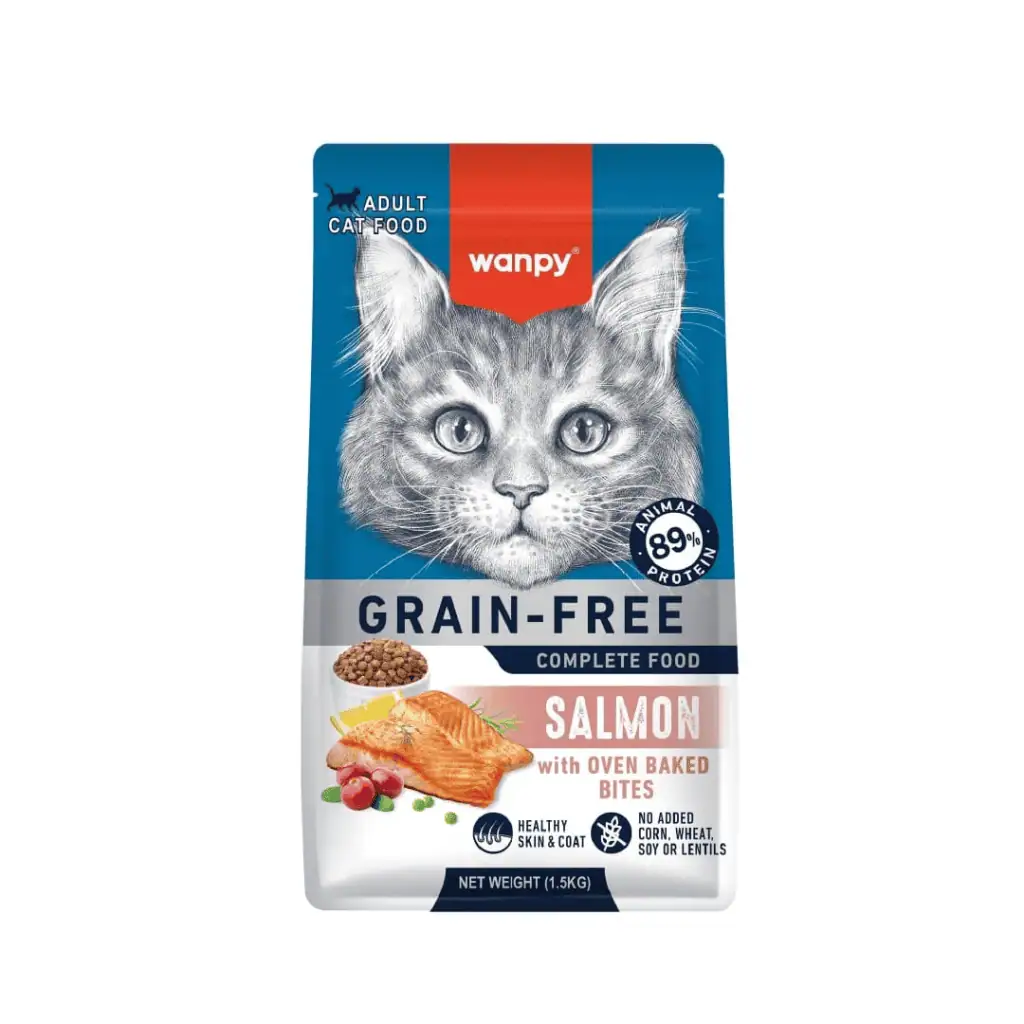
Grain-free pet foods gained popularity as premium alternatives, often marketed as closer to a natural ancestral diet. However, grain-free does not automatically equate to superior nutrition for every animal. Many pets digest grains without issue, and removing them without a specific medical reason can increase cost without providing measurable benefit. Specialty labels often carry higher price tags, but the value depends on individual dietary needs. Feeding decisions are best guided by veterinary advice rather than trends or packaging claims, ensuring choices are based on health considerations rather than marketing language.
Ignoring Portion Guidelines

Portion control plays a significant role in long-term pet health, yet many owners rely on visual estimates rather than measured servings. Over time, even slightly oversized portions can contribute to gradual weight gain. Feeding guidelines on packaging offer starting points based on weight and activity level, though adjustments may be necessary depending on a pet’s lifestyle. Consistent measuring helps maintain appropriate calorie intake and reduces the likelihood of preventable weight-related issues. Small daily habits, such as using a measuring cup, can make a measurable difference in maintaining both wellbeing and manageable veterinary costs.
