
Table Salt vs. Pink Salt: What You Really Need to Know
In the kitchen, salt is indispensable, but choosing between table salt and pink salt can stir debate. Each has unique characteristics, influencing both flavor and presentation. Table salt, with its fine grains, dissolves quickly, making it a go-to for baked goods and brining. Meanwhile, pink salt, often Himalayan, brings a visual and textural element that’s prized for finishing dishes. Understanding their differences helps refine your culinary techniques and enhances the final taste of your creations.
Mineral Composition: Trace vs. Purity
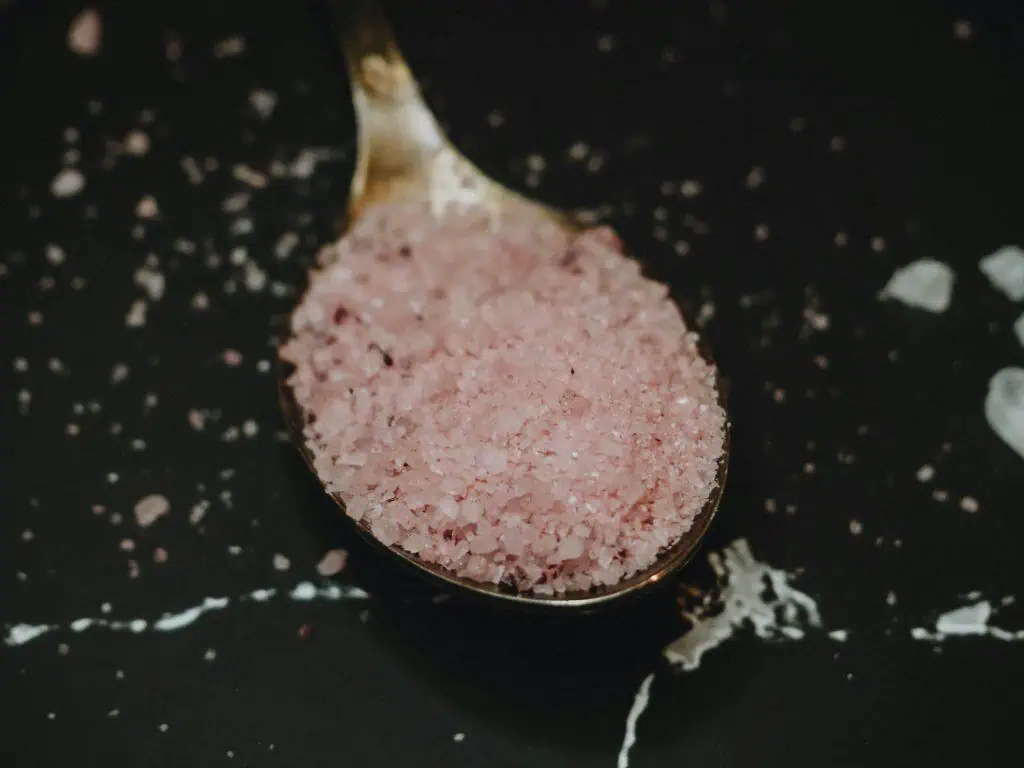
Table salt, often highly refined, contains primarily sodium chloride, providing reliable purity but lacking variety in trace minerals. Pink salt, on the other hand, is celebrated for its mineral diversity, including potassium, magnesium, and calcium. These additional minerals can subtly influence flavor and color, lending a delicate complexity. When seasoning dishes, consider whether the straightforward saltiness of table salt or the nuanced profile of pink salt better suits your culinary intentions.
Iodization: Table Salt’s Health Role
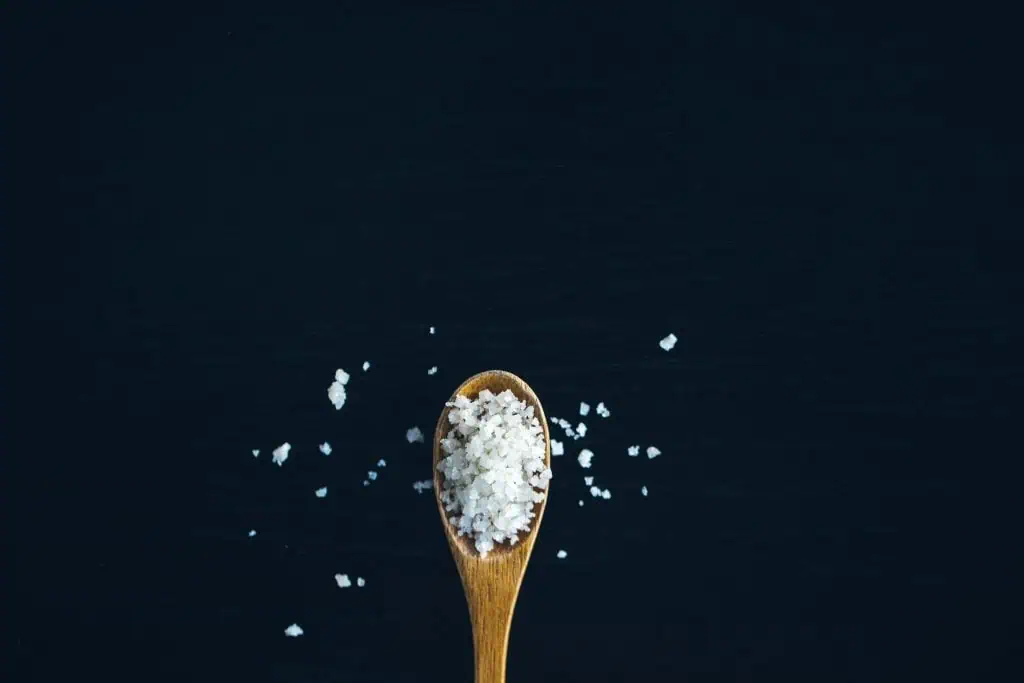
Table salt is typically iodized, a crucial health intervention that helps prevent iodine deficiency, which can lead to thyroid disorders. This makes it an important part of many diets, as iodine is not naturally abundant in most foods. For those mindful of their iodine intake, incorporating table salt into cooking ensures nutritional balance without altering taste. Pink salt, often uniodized, might appeal for its natural texture but lacks this specific health benefit.
Health Claims: Trace Minerals Impact

Pink salt enthusiasts claim benefits from its trace minerals, suggesting enhancements to hydration and reduced blood pressure. However, these effects are minimal at typical consumption levels. For real health impacts, increased mineral intake from fruits and vegetables is more effective. Pink salt’s claims should be taken as a minor perk; its true value lies in its aesthetic and textural contributions, pleasing the senses and complementing well-crafted dishes.
Culinary Uses: Coarse or Fine Salt?
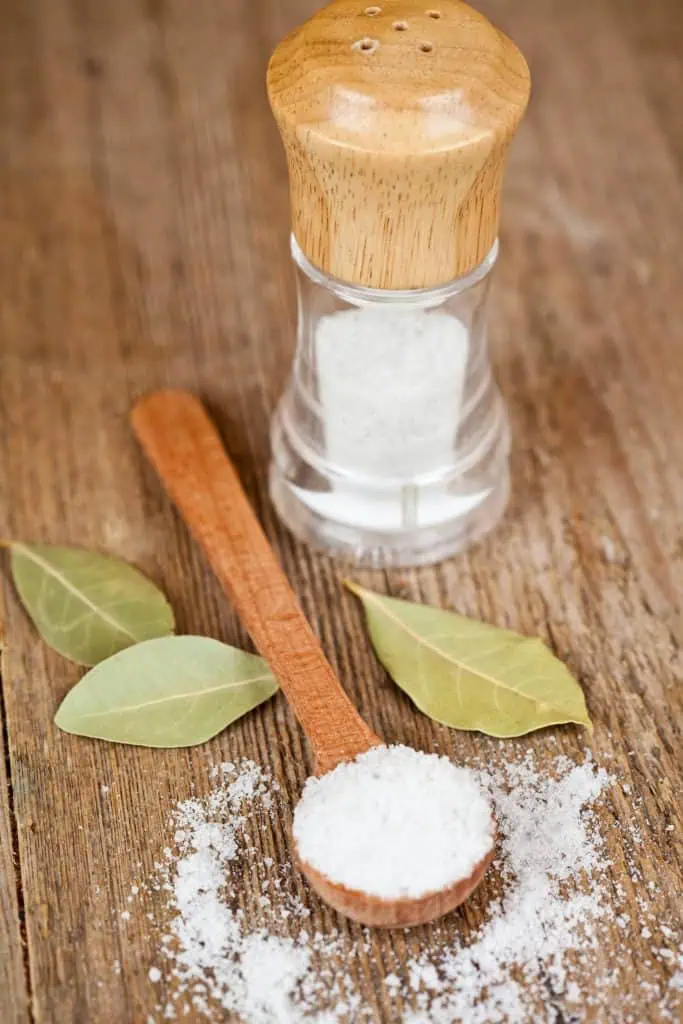
In culinary applications, choosing between coarse pink salt and fine table salt can influence texture and taste. Use table salt for precise seasoning due to its even grain size. In baking, its fine texture ensures even distribution. Pink salt, with its varying granularity, acts as both a seasoning and a visual statement. Its coarse crystals are ideal for finishing touches, providing a satisfying crunch and an attractive accent on dishes like grilled meats and salads.
Market Trends: The Pink Salt Phenomenon

Pink salt, often sourced from the Khewra Salt Mine in Pakistan, has surged in popularity, intriguing chefs and home cooks alike. Characterized by its distinctive pink hue due to trace minerals like magnesium and potassium, it offers a milder flavor and coarser texture than traditional table salt. As consumers become more health-conscious, pink salt is touted for its supposed purity and mineral content, driving its demand. This trend reflects a broader movement towards artisanal and natural products, highlighting the ongoing shift in culinary circles towards more mineral-rich culinary alternatives.
