
15 Grocery Store Foods Loaded with Additives, Not Nutrition
You’re standing in the grocery aisle, grabbing what seems like a healthy choice—a granola bar for a quick breakfast, a bag of frozen dinner for a busy weeknight, or a bottle of salad dressing to drizzle over your greens. But here’s the truth: many everyday staples are packed with hidden additives, sugars, sodium, and preservatives that undermine their nutritional value. From breakfast cereals that contain more sugar than grain to processed cheeses that are more emulsifiers than dairy, these foods prioritize shelf life and convenience over your health. The good news? Becoming a savvy label reader and making a few simple swaps can transform your grocery cart and your well-being!
Ready to uncover the sneakiest offenders in your shopping cart? We’re talking about flavored yogurts that pack as much sugar as dessert, bottled salad dressings loaded with sodium and high-fructose corn syrup, and canned soups that are salt central. Don’t be fooled by energy drinks with their caffeine and additive overload, or granola bars that are essentially candy bars in disguise. Even seemingly harmless items like microwave popcorn, flavored potato chips, and packaged deli meats are often infused with trans fats, nitrates, and artificial seasonings. But you don’t have to give up convenience entirely—simple swaps like choosing plain yogurt and adding your own fruit, making homemade dressings, or opting for low-sodium versions can make a world of difference. With these insights, you’ll shop smarter, eat better, and feel great about every bite!
Sugary Breakfast Cereals: More Sugar Than Grain
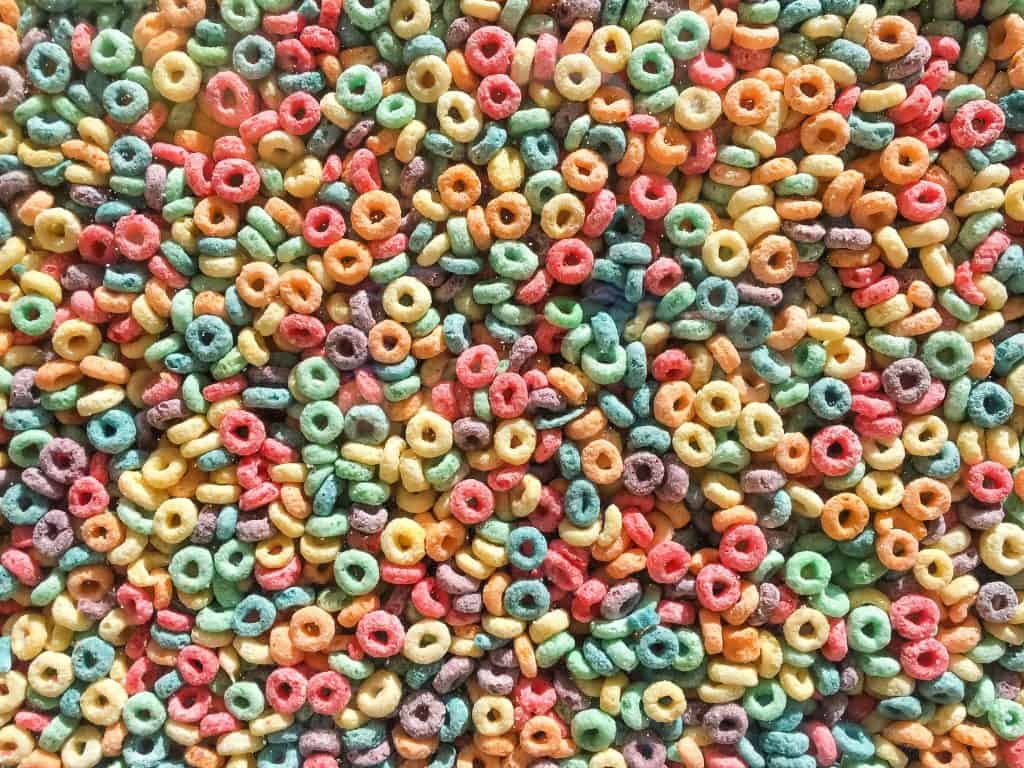
Many breakfast cereals marketed towards families are loaded with added sugars. These brands often contain more sugar than whole grain content, which can hinder a nutritious start to the day. To shop smart, aim for cereals with whole grains listed as the first ingredient and check for sugar equivalents closer to the bottom of the list. Consider enhancing plain oats or unsweetened cereals with fresh fruits and nuts for extra flavor and health benefits.
Flavored Instant Noodles: Sodium Overload

Instant noodles are a popular convenience food but are often laden with sodium and artificial flavors. These additives can dominate the nutritional value, making it crucial to read labels carefully. Opt for reduced-sodium versions if available, or better yet, create your broth with low-sodium stock, herbs, and spices. Adding fresh vegetables and lean proteins can also transform instant noodles into a more balanced meal.
Processed Cheese Slices: Fake Cheese Alert

Processed cheese slices might melt beautifully, but they’re often composed of more additives than actual cheese. These products typically contain emulsifying salts, colorings, and other chemicals. For a more authentic flavor and texture, choose cheeses that have minimal ingredients, such as cheddar or mozzarella. Remember, freshly shredded cheese from a block usually melts just as well without the added preservatives.
Packaged Deli Meats: Preservative Packed

Conveniently sliced and packaged deli meats can be tempting for quick lunches but are frequently infused with preservatives like nitrates and excessive sodium. These components are used to extend shelf life and enhance flavor but could be detrimental to health. When possible, buy freshly roasted or grilled meats from the deli counter and ask for low-sodium options. Alternatively, consider roasting a small cut of meat at home to use throughout the week.
Microwave Popcorn: Hidden Trans Fats

Microwave popcorn, a seemingly harmless snack, often harbors hidden trans fats that undermine its appeal as a healthy choice. Many brands use partially hydrogenated oils, which are a source of trans fats, to extend shelf life and enhance texture. Opting for air-popped popcorn or checking labels for “trans fat-free” claims can mitigate these concerns. Enhance flavor naturally with a sprinkle of nutritional yeast or a dash of smoked paprika to add depth without compromising nutrition.
Bottled Salad Dressings: Sugar and Sodium Trap

Bottled salad dressings frequently contain excessive sugar and sodium, turning a healthful salad into a nutritional minefield. Ingredients like high-fructose corn syrup and salt act as preservatives and flavor enhancers but can detract from the dish’s nutritional value. A simple homemade dressing with olive oil, fresh lemon juice, and a pinch of herbs can provide vibrant flavor while keeping additives at bay. Tailor the mix to your taste for a custom, healthier option.
Sweetened Yogurts: Dessert in Disguise

Sweetened yogurts often masquerade as healthy snacks but can contain as much sugar as a dessert. Popular brands amplify taste with added sugars and artificial flavors, overshadowing the natural benefits of yogurt. To savor yogurt’s probiotic goodness without the sugar overload, choose plain varieties. Enhance it with fresh fruit, nuts, or a drizzle of honey for a naturally sweetened touch. This approach retains nutritional integrity and suits personalized flavor preferences.
Frozen Dinners: Convenience Over Nutrition

Frozen dinners, while convenient, are notorious for their high sodium content and additives that preserve texture and flavor. Often, these meals prioritize convenience over nutrition, lacking fiber and essential nutrients. Control the balance by preparing batches of homemade options with lean proteins, whole grains, and colorful vegetables. Freezing these in individual portions allows quick, health-conscious meals, ensuring you’re not sacrificing nutrition for the sake of time.
Flavored Potato Chips: Flavor, Not Real Food

Flavored potato chips rely heavily on artificial seasonings and MSG to deliver an intense taste experience, often with minimal actual nutritional value. These additives can overshadow any natural flavors the potatoes might offer. For a healthier alternative, consider baking your own chips, thinly slicing potatoes or sweet potatoes and seasoning with herbs and spices. This method enhances the snack’s nutritional profile while allowing for creative and responsible flavor combinations.
Packaged Baked Goods: Trans Fats and Sugar

Packaged baked goods often harbor trans fats, used to extend shelf life and maintain texture. These partially hydrogenated oils can lead to health issues. Additionally, these items are typically high in sugar, aiming to enhance flavor but ultimately leading to excessive calorie consumption. When possible, bake at home using whole ingredients like butter or coconut oil, and experiment with natural sweeteners such as honey or maple syrup to achieve the desired sweetness without compromising nutrition.
Energy Drinks: Caffeine and Additives Galore
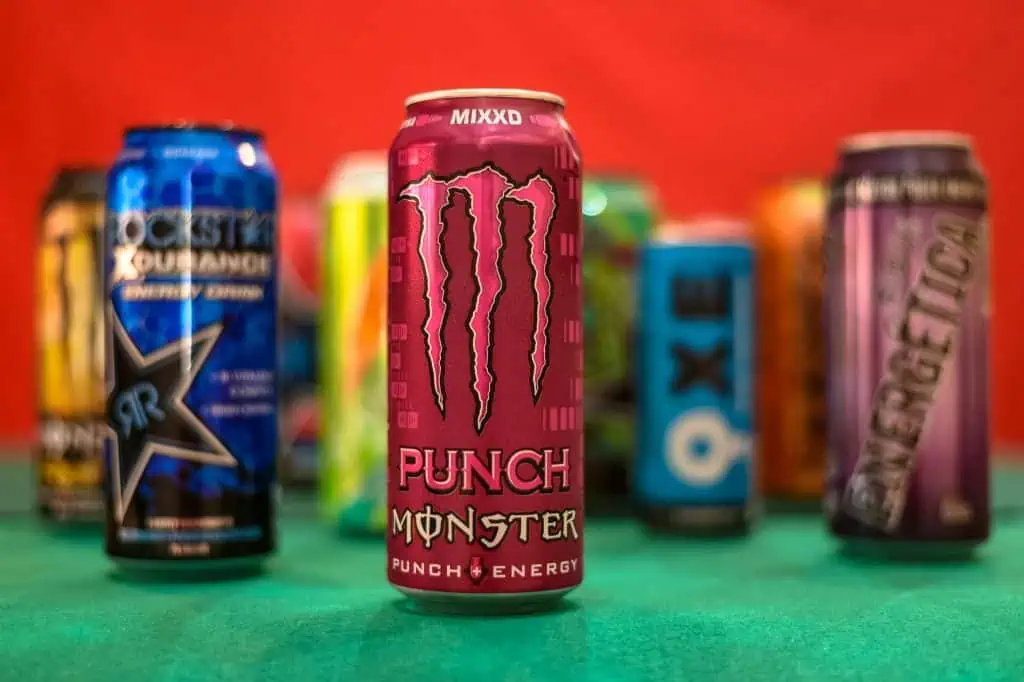
Energy drinks are infamous for their high caffeine content, often exceeding safe daily limits when consumed in excess. They contain artificial flavors, preservatives, and other additives that can negatively impact your health over time. Opt for an infused water with fresh fruit or a homemade iced tea to maintain energy levels naturally. This way, you avoid the excess sugars and questionable ingredients while staying hydrated and alert throughout the day.
Flavored Granola Bars: Candy Bars in Disguise

Often marketed as healthy snacks, flavored granola bars can be laden with sugars, binders, and artificial flavoring, making them more akin to candy bars. A more nutritious option is to make simple no-bake bars at home with oats, nuts, seeds, and a natural sweetener like dates or agave syrup. You gain control over the ingredients, ensuring each bar is fiber-rich and free of unnecessary additives, ultimately creating a more wholesome snack.
Canned Soups: Salt and Additives Central

Canned soups frequently contain high levels of sodium and a collection of preservatives to prolong shelf life. These additives enhance flavor artificially while potentially impacting health. Creating soups from scratch with fresh vegetables, herbs, and homemade broth allows you to manage sodium levels and maximize nutritional content. This approach provides comforting, flavorful bowls tailored to your health needs without relying on added preservatives.
Processed Sausages: Fillers and Preservatives

Processed sausages often use fillers like corn syrup and preservatives such as nitrates to maintain taste and longevity, posing potential health risks. Choosing fresh meat and making your own sausage blends with natural seasonings and herbs allows for a cleaner, healthier option. You control every ingredient, ensuring a purer taste and improving the nutritional profile while avoiding the hidden sugars and additives frequently found in store-bought versions.
Artificially Flavored Fruit Snacks: Fruit-Free Zone

Artificially flavored fruit snacks often lure consumers with bright packaging and fruity promises, yet they typically lack real fruit content. These snacks are mainly composed of sugars, corn syrup, and a blend of artificial flavors and colors. While their chewy texture might mimic that of real fruit, they offer minimal nutritional value. To craft a more nourishing alternative, consider making your own fruit leather using pureed fresh berries or other fruits blended with a touch of honey. Dehydrate the mixture at a low temperature for a healthy, fiber-rich snack that both kids and adults will enjoy.
