
10 Food Myths People Still Argue About And Why They Won’t Die
Food myths persist, causing confusion in home kitchens. These myths often steer well-meaning cooks away from optimal culinary choices. By dissecting some of these stubborn beliefs, we can equip you with practical insights that enhance both your cooking and eating experiences. Let’s dive into common misconceptions and unveil truths that will help elevate your kitchen confidence.
Microwaves Zap Nutrients? Let’s Investigate

Many suspect microwaves deplete food of nutrients, yet research shows they actually preserve them efficiently. The brief cooking time and minimal liquid usage reduce nutrient loss. For best results, cover food to maintain moisture and use minimal water. This ensures a steam-cooking effect, which is gentle on vitamins like C and B1. Microwaves also excel at reheating without overcooking, making them a time-saving ally in nutrient retention.
Brown vs. White Eggs: The Shell Game
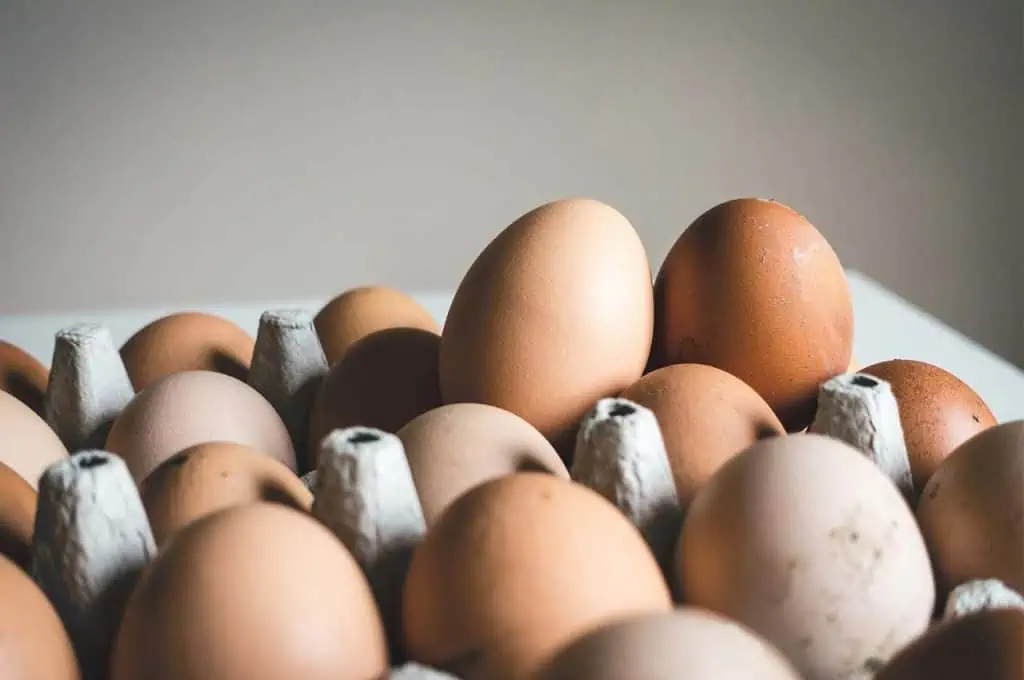
The color of an egg’s shell often misleads consumers about its nutritional value. However, both brown and white eggs offer the same nutrients. The difference is purely in the type of hen that laid them. Focus instead on freshness and quality. Look for eggs with firm whites and centered yolks, indicating better freshness. Try choosing eggs from pasture-raised hens for potentially richer yolks, enhancing both nutritional content and flavor.
Are Carbs Really Your Worst Enemy?

Carbohydrates often face unfair vilification, but they are crucial for a balanced diet. Complex carbs like those in whole grains and legumes provide fiber, vitamins, and sustainable energy. Instead of eliminating them, consider portion size and type. Enjoy whole grain options and pair them with proteins and healthy fats to maintain balanced blood sugar levels. This approach will keep meals satisfying while supporting overall nutritional goals.
To Wash or Not Wash Mushrooms?

Washing mushrooms has long been debated, with many fearing they’ll absorb water. In reality, a quick rinse is fine if mushrooms are promptly dried. Use a damp paper towel to gently brush off dirt first. If you rinse, do it briefly and dry with a cloth. This prevents excess moisture during cooking, which can cause sogginess. Always cook mushrooms on high heat to achieve a flavorful, caramelized exterior and maintain their meaty texture.
Does Searing Meat Lock in Juices?

The notion that searing meat seals in juices is deeply ingrained, yet it doesn’t hold up under scrutiny. Searing creates a flavorful crust due to the Maillard reaction, which enhances taste but doesn’t contain moisture. The key to juicy meat lies in cooking it to the correct internal temperature. Utilize a meat thermometer to ensure precision, especially with cuts like steak or roast. Resting meat post-cooking allows juices to redistribute, culminating in more succulent results. Remember, high heat for a quick sear, then adjust the oven or stovetop temperature according to your desired doneness.
Frozen Food: Nutritional Villain or Hero?
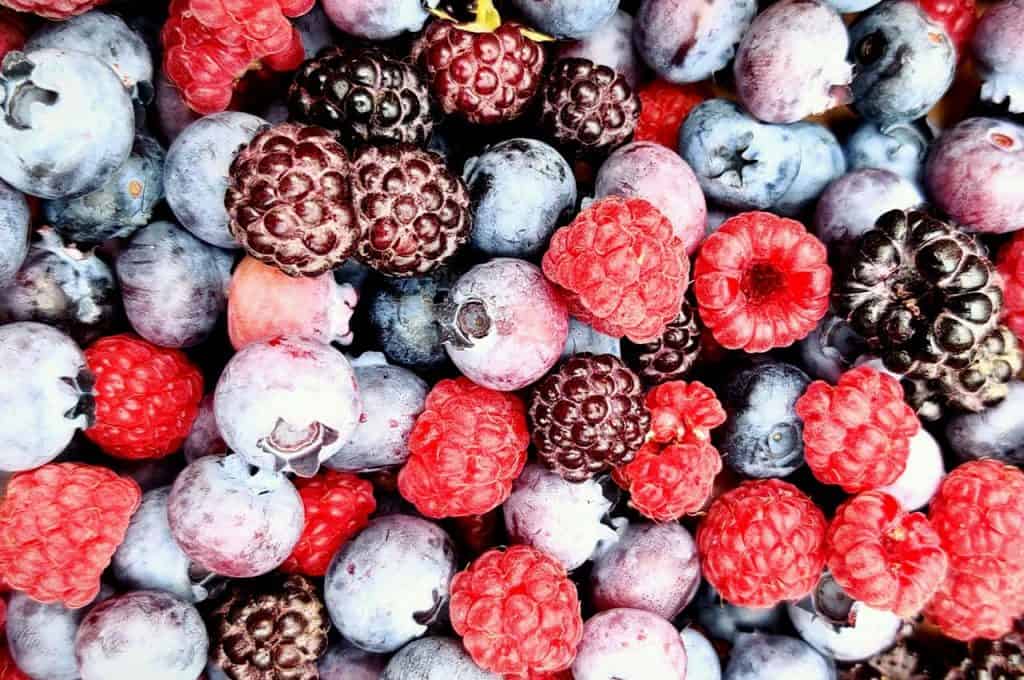
Frozen food often suffers from a bad reputation, yet many options offer nutrition comparable to fresh produce. Freezing processes, done swiftly, lock in vitamins and minerals, making frozen fruits and vegetables reliable staples. Look for options without added sugars or sodium to maintain health benefits. Additionally, frozen proteins such as fish or chicken can be less expensive and handy for quick meals. Thawing gently, preferably in the refrigerator, preserves texture and flavor. Incorporating frozen ingredients into your routine can enhance both cost and time efficiency without nutritional compromise.
The MSG Myth: An Unsolved Mystery

Monosodium glutamate (MSG) has been demonized, yet scientific evidence fails to confirm widespread adverse reactions. As a flavor enhancer, MSG is naturally found in foods like tomatoes and cheese. It contributes umami, the fifth taste, providing depth to dishes. Most studies indicate limited sensitivity, and MSG is deemed safe by global health organizations. When using MSG, a little goes a long way. Add in moderation to soups or stir-fries for subtle complexity, ensuring meals resonate with savory satisfaction. Focus on personal tolerance and perceptions rather than myths.
Eating Late: Fact vs. Fiction

The belief that eating late leads directly to weight gain is oversimplified. It’s not the timing but the type and quantity of food that matter. Eating large, calorie-dense meals late can disrupt sleep and digestion, but light, balanced choices aren’t inherently harmful. Prioritize easily digestible foods like lean proteins and vegetables, and maintain portion awareness. Mindfulness during meals can help prevent overeating at any time of day. Remember, total caloric intake and activity levels dictate weight changes more than the clock does, so consider what fits best with your lifestyle.
Is Organic Always More Nutritious?
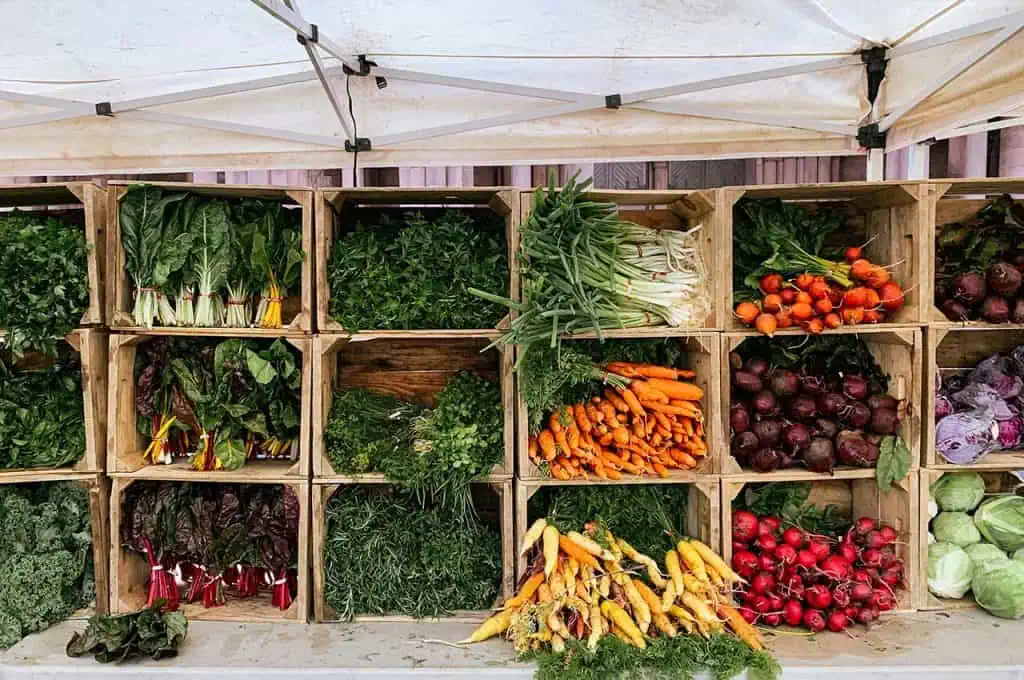
Choosing organic food often stems from health and environmental considerations, yet organic doesn’t automatically equate to more nutritious. Nutrient values of organic produce are typically similar to non-organic counterparts. The real advantage lies in reduced pesticide exposure and environmental impact. When selecting organic, focus on items from the “Dirty Dozen” list if you’re budget-conscious. Washing all produce thoroughly, regardless of its origin, helps reduce residue. Ultimately, a diet rich in fruits and vegetables, organic or not, supports overall health. Empower your choices with knowledge of farming practices and personal dietary needs.
Sugar and Kids: The Hyperactivity Debate

Explore the widely debated notion that sugar leads to hyperactivity in children. Numerous studies indicate that sugar doesn’t inherently cause behavioral changes, yet the perception persists. This underscores the influence of societal beliefs over scientific evidence. When considering children’s diets, focus instead on balanced nutrition, integrating complex carbohydrates, proteins, and fats to maintain energy levels. Encourage mindfulness about portion sizes and emphasize whole foods over sugary snacks, while creating meals full of vibrant, natural flavors to appeal to young, discerning palates.
