
Spanish Peanuts Explained: Flavor, Uses & Recipes
Spanish peanuts are small, rounded nuts known for their rich, robust flavor. Commonly shelled and roasted, they bring a different taste profile compared to other peanut varieties. With a higher oil content, these peanuts enhance both savory and sweet dishes, offering depth and texture. Understanding their unique characteristics can elevate your culinary endeavors, making them an excellent choice for various recipes. Whether using them in traditional or modern cooking, Spanish peanuts provide a gourmet touch.
The Unique Flavor Profile
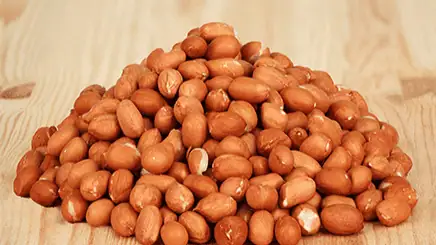
Spanish peanuts boast a distinct, earthy taste, intensified by their high oil content and firm texture. When roasted, they develop a deep, buttery richness with underlying notes of earthiness. This makes them a standout ingredient in both cooking and snacking. Their robust flavor can hold its own in spicy dishes or complement the sweetness in desserts. The small size and dense texture make them ideal for adding a satisfying crunch to a variety of culinary applications, making them an essential pantry staple for adventurous cooks.
Culinary Versatility
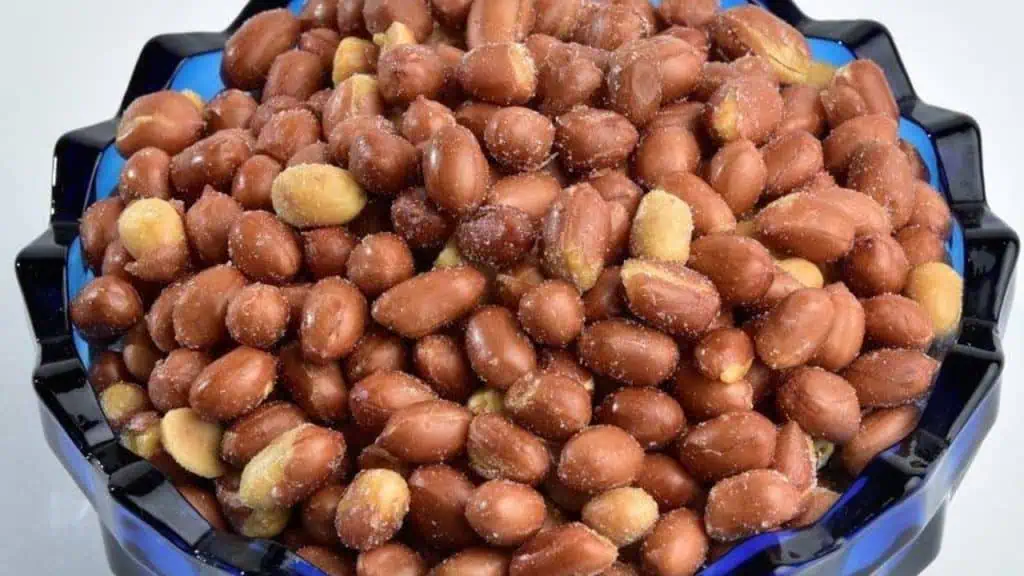
The versatility of Spanish peanuts shines in their ability to enhance both traditional and innovative dishes. They can be ground into a creamy peanut butter or chopped for a textured topping. In savory cooking, they add depth to sauces and stews, while providing a contrast in salads and grain dishes. Their use extends to baking, where they enrich cookies and pastries with their unique taste. Roasted or raw, Spanish peanuts adapt well to different cooking methods, making them a valuable addition to any kitchen.
Nutritional Benefits

Spanish peanuts are not only flavorful but also offer excellent nutritional benefits. Rich in healthy fats, proteins, and fiber, they contribute to a balanced diet. They are a good source of vitamins such as niacin and folate, and minerals like magnesium and phosphorus. Incorporating these nuts into your meals can support heart health and provide sustained energy. When consumed in moderation, they make a nutritious snack option, delivering essential nutrients that support overall well-being and vitality.
Popular Spanish Peanut Dishes
In culinary traditions, Spanish peanuts find their way into an array of delightful dishes. Gachas, a traditional Spanish porridge, is often enhanced with these nuts for added texture and flavor. They also feature in spicy peanut sauces, commonly paired with grilled meats or vegetables. In desserts, the classic ‘turrón’ incorporates roasted Spanish peanuts for a sweet, nutty treat. Their role in dishes like pralines and chocolate clusters highlights their sweetness, showcasing their versatility and appeal in both savory and sweet cuisine.
Innovative Recipes to Try

Transform Spanish peanuts into a stunning peanut sauce by blending them with coconut milk, ginger, and chili for a rich and spicy companion to grilled chicken or tofu. For a savory snack, toss them with smoked paprika, olive oil, and sea salt before roasting until golden. Create a vibrant peanut salad dressing by emulsifying crushed peanuts with rice vinegar, sesame oil, garlic, and soy sauce, perfect for drizzling over fresh greens. These recipes enhance the bold, earthy flavor and natural crunch of Spanish peanuts, offering a delightful twist to traditional dishes.
Storage and Shelf Life
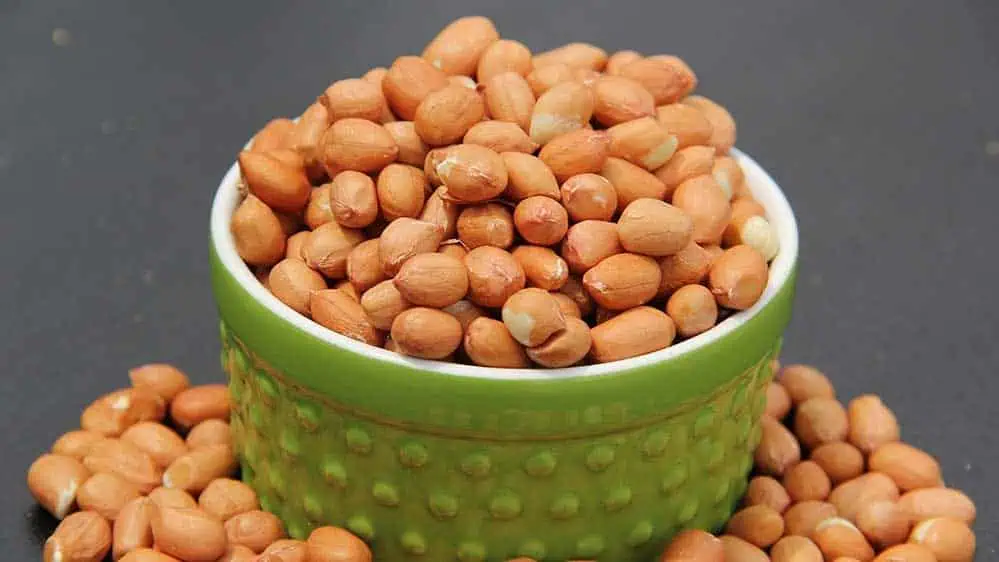
Proper storage of Spanish peanuts is essential to maintain their flavor and texture. Keep them in an airtight container in a cool, dark place. If left in the shell, they can last several months. Shelled nuts, however, should be consumed within a few weeks unless refrigerated, which extends their freshness to up to three months. For long-term storage, consider freezing portions. This method preserves their nutty aroma and reduces the risk of rancidity. Always check for any off smells before use, indicating they may no longer be fresh.
