
Bagel Breakdown: The Healthiest Store-Bought Options
Bagels, beloved for their chewy texture and versatility, often face scrutiny in health-conscious kitchens. While popular, not all bagels are created equal in terms of nutritional value. Choosing the healthiest store-bought options can transform this breakfast staple into a more nutritious choice. In this guide, we’ll explore various bagel options, focusing on their ingredients, nutritional benefits, and helping you make informed decisions without compromising on taste or texture.
Surprising Bagel Stats

A typical bagel can weigh in at 250 to 300 calories, which may come as a surprise to those watching their intake. Carbohydrates dominate the nutritional profile, but sodium and added sugars can also play a significant role. Understanding these stats helps demystify their impact on your diet. Many bagels contain more than half your daily recommended sodium intake, so selecting brands with reduced sodium or no added sugar can significantly improve their health credentials.
Whole Grain Wins
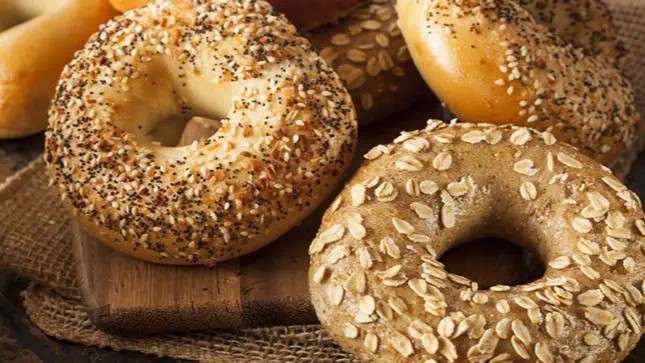
Whole grain bagels offer a richer nutritional profile than traditional refined wheat versions. By retaining the bran and germ, these bagels provide more fiber, essential for digestion and maintaining steady energy levels. Look for bagels labeled 100% whole grain or containing more than 3 grams of fiber per serving for a hearty, satisfying choice. These options not only enhance nutritional intake but also add a nutty flavor and a satisfying chew, elevating your bagel experience.
Mindful Mini Varieties

For those craving lighter options, mini bagels present a smart solution. These smaller versions deliver the same taste and texture in more controlled portion sizes, ideal for calorie-conscious eaters. Often ranging from 100 to 150 calories, they provide an opportunity to enjoy moderation without feeling deprived. Mini bagels are perfect for crafting open-faced sandwiches, allowing the flexibility to add nutrient-dense toppings without overwhelming your meal plan.
Power of Protein-Packed Options

Protein-packed bagels, often made with seeds or legumes like chickpeas, add a nutritional punch by boosting protein content significantly. These bagels help maintain fullness longer and provide a balanced nutritional profile. Brands that incorporate protein isolates or seeds like chia or flax not only enhance texture but also increase omega-3 fatty acids, supporting heart health. Opt for bagels with at least 10 grams of protein to bolster your breakfast with sustenance and flavor.
Gluten-Free Choices

For those avoiding gluten, selecting a satisfying bagel can be challenging but not impossible. Look for options made from alternative flours like almond or rice flour, which offer a nutty or neutral base, respectively. Ensure the texture remains chewy but not overly dense. Brands that incorporate psyllium husk can enhance the elasticity, mimicking traditional bagels. Pay attention to the ingredient list, avoiding unnecessary additives or fillers, and seek out brands that fortify their products with fiber or protein to balance the nutritional profile.
Portion Control Perks

Mindful portioning is key when enjoying bagels as part of a balanced diet. Consider mini or thin bagels, which provide the satisfaction without overloading on calories. These variations allow for versatile meal options, from breakfast sandwiches to bite-sized appetizers. Experiment with slicing techniques, ensuring even toasting to enhance the bagel’s crisp exterior. When cutting calories, focus on nutrient-rich toppings that add volume and flavor, such as fresh vegetables, lean proteins, or low-fat spreads, ensuring a fulfilling and healthful meal experience.
