
Skip the Scoop: 12 Foods With More Protein Than a Shake
Protein is often associated with the convenience of shakes, but many whole foods offer even more impressive content. These natural sources are not only packed with protein but also provide essential nutrients and flavors absent from powdered supplements. Integrating these into your meals can elevate both health and taste, supporting your protein needs while diversifying your diet.
Eggs: Nature’s Protein Powerhouse

Eggs deliver a complete protein profile along with essential amino acids, crucial for muscle repair and growth. One egg contains about six grams of high-quality protein, and their versatility allows them to complement a range of dishes. Whether poached, scrambled, or in an omelet, the key is to cook them just enough to maintain a tender texture. Season with a pinch of salt and pepper to enhance their natural flavor and consider pairing with veggies for added nutrients.
Quinoa: The Complete Protein Plant
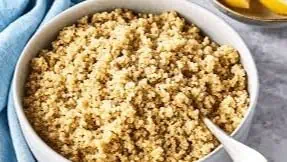
Quinoa stands out as a grain with a full set of essential amino acids, providing about eight grams of protein per cup once cooked. Its nutty flavor and fluffy texture make it a versatile base for a variety of dishes. Rinse quinoa thoroughly to remove its natural saponin coating, which can impart bitterness. Cook it in vegetable broth for a deeper flavor and fluff with a fork before serving. Pair with roasted vegetables or a lean meat for a balanced meal.
Lentils: Tiny Legumes, Big Protein
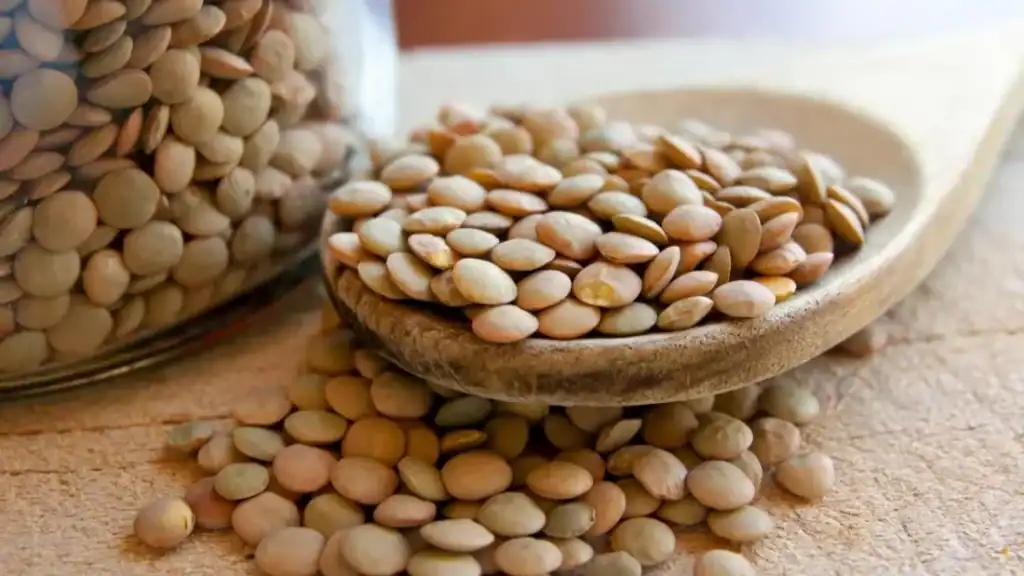
Lentils are a powerhouse with roughly 18 grams of protein per cooked cup, making them a staple for vegetarian diets. They come in several varieties, each with unique textures—green and brown hold their shape well for salads, while red and yellow are perfect for soups. Rinse them before cooking to remove debris. Simmer lentils with aromatics like garlic and bay leaves for added flavor. Serve them with rice or stir into stews for a nutrient-rich dish.
Chicken Breast: Lean and Protein-Rich

Chicken breast is a go-to option for protein, offering around 26 grams per three-ounce serving without the saturated fats present in many red meats. For moist and tender results, marinate the chicken in olive oil, lemon juice, and herbs before grilling or baking. Avoid overcooking to prevent drying out the meat. Let the chicken rest before slicing to ensure juices are distributed evenly, and serve alongside steamed greens or grain salads for a complete meal.
Greek Yogurt: Creamy Protein Boost

Greek yogurt offers a richer protein profile than typical yogurts. Its thick, creamy texture enhances both savory and sweet dishes. To serve, start with a plain, unsweetened version to maintain control over flavor additions. A modest serving of 6 ounces packs an impressive 18 grams of protein. Pair it with fresh berries, a drizzle of honey, or a sprinkle of nuts for a balanced meal or snack. For savory applications, use it as a base for dressings or dips—combine with herbs and spices for a healthful sauce with zest.
Cottage Cheese: Dairy Protein Delight

Cottage cheese is an underrated protein source, offering about 24 grams per cup. Its curds provide a pleasantly chewy texture that pairs effortlessly with both sweet and savory foods. For a nutritious breakfast, top it with sliced peaches and a sprinkle of cinnamon. Alternatively, incorporate it into savory dishes by mixing with chives or dill for an invigorating spread. Its subtle flavor makes it a versatile ingredient for cooking, baking, or as a standalone snack.
Almonds: Nutty Protein Punch

Almonds are a protein-rich nut, offering about 6 grams per ounce. Their crunch and natural flavor make them a versatile addition to various recipes. Toast almonds lightly in a dry pan to elevate their nutty aroma, enhancing salads, yogurt, or baked goods. Consider using almond slivers for texture or blend them into homemade almond butter for a creamy spread. Almonds are also excellent in granolas or as a protein boost in smoothies, providing a satisfying, nutrient-dense option.
Tofu: Versatile Soy Protein

Tofu adapts well to a variety of cuisines, providing about 10 grams of protein per half cup. Firm tofu is ideal for frying, grilling, or baking because it holds its structure. Press it to remove excess moisture before marinating with soy sauce, ginger, and garlic for depth of flavor. For a softer option, silken tofu blends smoothly into soups or smoothies. Its neutral taste allows it to take on strong seasonings or sauces, making it an essential protein in both vegetarian and omnivorous dishes.
Edamame: Green Protein Pods
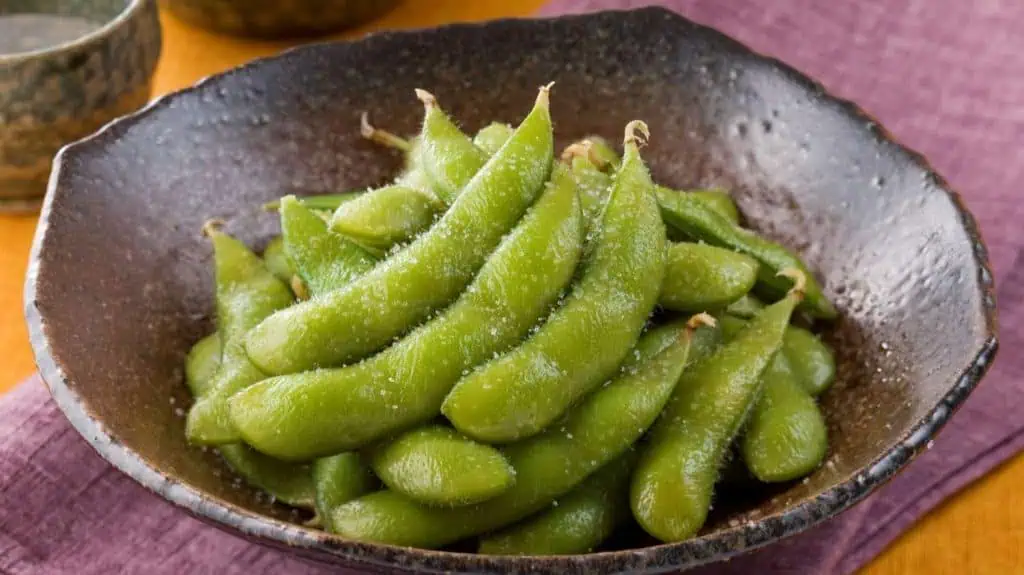
Edamame, or young soybeans, are not only a great snack but also a protein powerhouse with 18 grams per cup. Steam or boil them briefly to maintain their bright color and crisp texture. Once cooked, sprinkle with sea salt or toss with sesame oil and chili flakes for a savory treat. They also make an excellent addition to salads, stir-fries, or as a side dish. Their fresh flavor and nutritional benefits allow them to complement a wide range of meals seamlessly.
Tuna: Ocean’s Protein Gift

Tuna, rich in lean protein, offers an exceptional alternative to protein shakes. Whether canned or fresh, tuna provides around 24 grams of protein per 100 grams, coupled with essential omega-3 fatty acids. Opt for fresh tuna steaks, searing them briefly on each side over high heat to keep the center moist and flavorful. Adding salt, pepper, and a squeeze of lemon enhances its natural taste. Use canned tuna in salads, combining with mayonnaise, lemon zest, and a touch of black pepper for a simple yet satisfying meal.
Hemp Seeds: Crunchy Protein Seeds
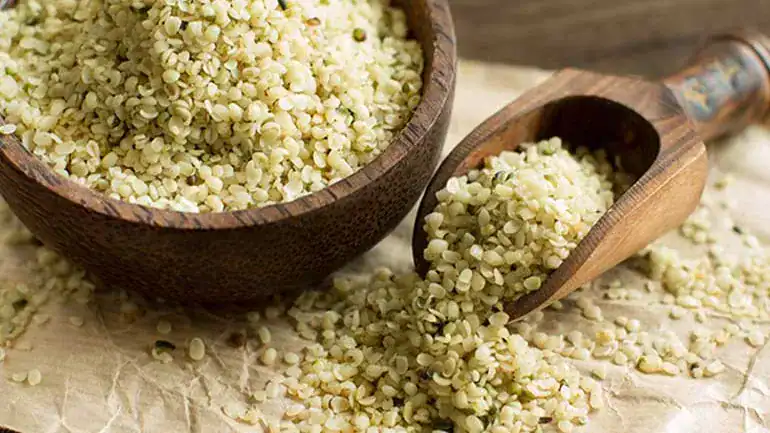
Hemp seeds deliver a powerful protein punch with around 10 grams of protein per 3-tablespoon serving. They’re a versatile addition to various dishes, offering a nutty flavor and crunchy texture. Sprinkle them over yogurt, salads, or oatmeal for enhanced nutritional value. Toasting them lightly in a dry skillet can bring out their rich flavors. Include them in smoothies, blending fully to ensure an even distribution. Their ease of use makes them an effortless way to boost protein intake, especially for plant-based diets.
Turkey: Lean Meat, High Protein

Turkey is a phenomenal source of lean protein, offering around 29 grams of protein per 100 grams. This makes it a hearty alternative to a protein shake. Use turkey breast for the leanest cut, grilling or roasting to maintain its tenderness. Marinate with olive oil, garlic, and thyme for a depth of flavor without overwhelming the meat. Shred leftovers into salads or sandwiches, ensuring nothing goes to waste. Turkey’s mild taste pairs well with diverse cuisines, maximizing versatility and ease of preparation.
