
9 Hidden Sources of Sugar in “Healthy” Foods
Discovering hidden sugars in foods often labeled as “healthy” requires a discerning eye and awareness. Many products marketed as nutritious options contain significant amounts of added sugars that can undermine your health goals. This guide will highlight common offenders, providing clarity on how to make informed choices in your dietary routine, ultimately enhancing your understanding of product labels and ingredient lists.
Granola Bars: Sweetness in Disguise

Granola bars, often marketed as wholesome snacks, can harbor hidden sugars that elevate their caloric content. Check for ingredients like high-fructose corn syrup, honey, or agave syrup. Opt for bars with minimal ingredients and natural sweeteners like dates or unsweetened nuts. These choices help maintain energy without the spike, allowing you to enjoy a snack without unintended sugar intake.
Flavored Yogurt: A Sugary Surprise

Flavored yogurts can be deceptively sweet, often containing more sugar than a dessert. When choosing yogurt, scrutinize the label for added sugars like cane sugar or fruit concentrate. Selecting plain yogurt and adding fresh fruit or a drizzle of honey yourself offers control over sweetness levels. This approach not only reduces sugar but also enhances the yogurt’s natural tanginess.
Smoothies: Fruit or Sugar Bomb?

Smoothies offer excellent nutrition but can become sugar bombs if loaded with sweetened juices or flavored yogurts. Use unsweetened almond milk or water as a base and choose whole fruits for natural sweetness. Adding spinach or avocados can enhance nutrient density without the sugar. This method ensures a refreshing drink that supports, rather than sabotages, your health objectives.
Cereals: A Sweet Start to Your Day

Many breakfast cereals are sugar-laden despite claims of health benefits. Carefully examine nutrition labels for hidden sugars like malt syrup or molasses. Choose oatmeal or muesli with a lower sugar content to start your day on a balanced note. By incorporating whole grains or nuts, you achieve a satisfying texture and flavor minus the excess sugar, setting a fortified foundation for your day.
Dried Fruits: Nature’s Candy
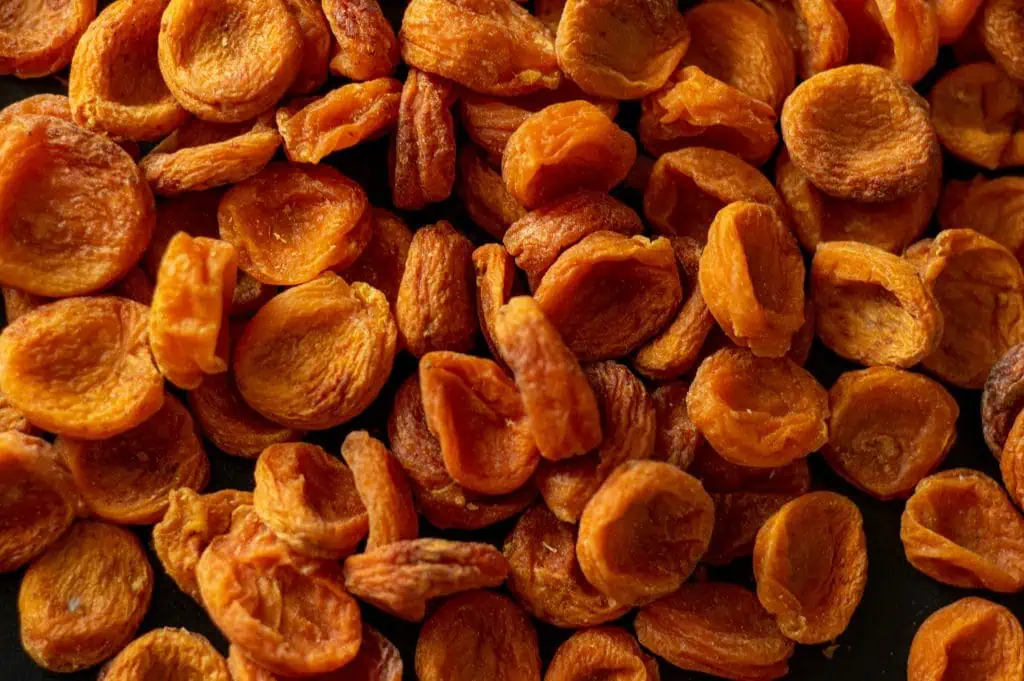
Dried fruits, like raisins and apricots, are often seen as a wholesome snack. However, the dehydration process concentrates their natural sugars and can lead to higher sugar content per serving compared to their fresh counterparts. When purchasing, check labels for added sugars used as preservatives or flavor enhancers. To mitigate this, pair dried fruits with nuts or yogurt to balance sweetness and add protein. Opt for unsweetened versions to enjoy their natural, concentrated flavor without unnecessary sugar spikes.
Nut Butters: Beyond the Nuts
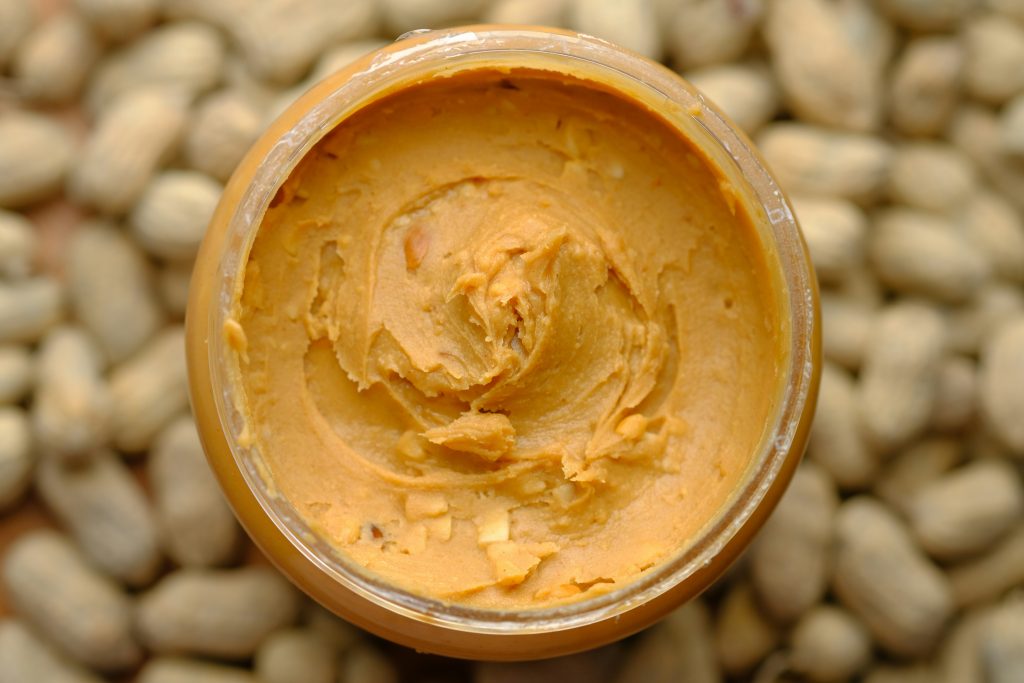
Nut butters are a popular option for those seeking plant-based protein, yet many brands incorporate added sugars to enhance taste. It’s crucial to examine the ingredient list; look for products containing only nuts and perhaps a pinch of salt. The natural oils in the nuts offer richness and flavor without needing sweeteners. For better results, try making your own nut butter by blending roasted nuts in a food processor, giving you control over texture and sugar content.
Energy Bars: Fuel or Sugar High?
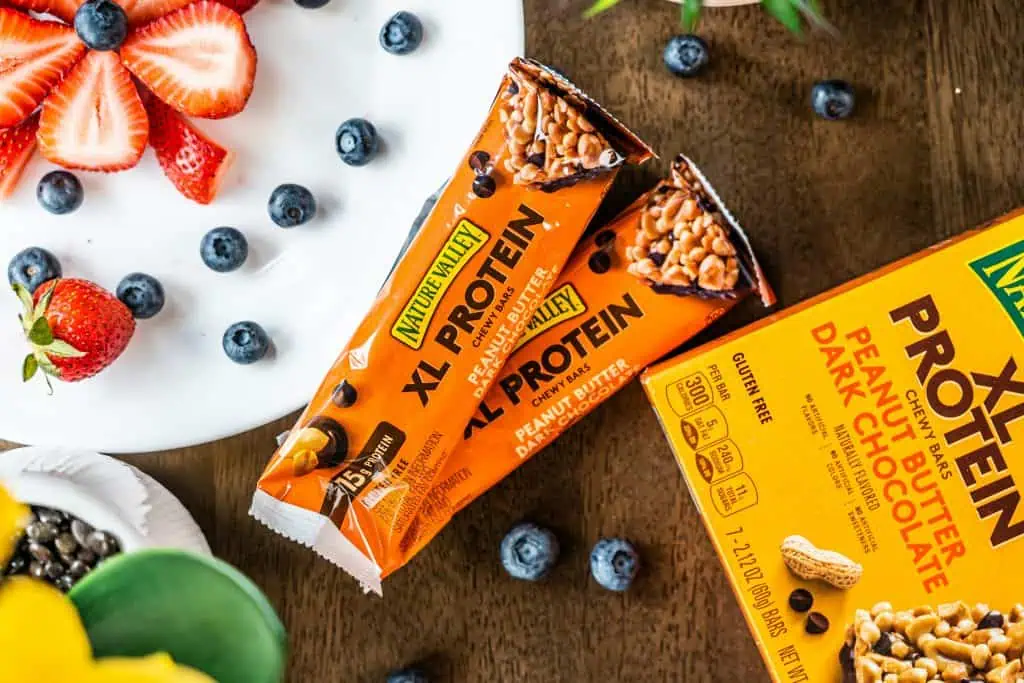
Energy bars promise convenience and nutrition, but often at the cost of added sugars. Check the nutrition labels carefully, as many bars use honey, corn syrup, or brown rice syrup to sweeten. Choose bars with whole food ingredients such as oats, nuts, and dates, which offer natural sweetness and sustenance without sugar overload. Alternatively, create homemade bars to customize flavor and nutrient content, ensuring a healthier and satisfying snack.
Salad Dressings: Hidden Sweet Hits

Salad dressings can transform a dish but often come with hidden sugars. Commercial varieties, especially those labeled ‘light’ or ‘fat-free,’ frequently replace fats with sugar for flavor balance. Create your own dressings using olive oil, vinegar, and fresh herbs, ensuring complete control over ingredients. Adding citrus or mustard can provide necessary tang and depth without relying on added sugars, enhancing the natural tastes of your salad.
Plant-Based Milk: Sweet Sips

Plant-based milks like almond, soy, and oat are valued for their versatility, but flavored options often include added sugars. When choosing milk alternatives, select unsweetened varieties to avoid unnecessary sugar consumption. Homemade versions are also an excellent alternative, allowing full control over texture and taste. When preparing at home, blend your choice of nuts or grains with water, then strain for a pure, wholesome beverage free from sweeteners.
