
15 Signs You’re About to Have a Bad Restaurant Experience
Identifying potential signs of a bad restaurant experience before sitting down can save you from disappointment. Observing specific details can help you assess if a meal will meet your expectations. From the state of the parking lot to the presentation of the menu, each factor provides insight into the dining experience ahead.
Lonely Lot at Rush Hour
A sparse, empty parking lot during peak dining hours signals a potential issue. A popular spot typically has a constant flow of patrons, indicating good food and service. Consider this when assessing the restaurant’s reputation. It’s wise to explore nearby options if the lot remains notably vacant when you arrive.
Menus You Stick To

When a menu is physically unkempt or sticky, it suggests neglect in other areas. A poorly maintained menu may reflect a lack of care for hygiene and a casual approach to food safety. Inspecting the condition of the menus upon arrival can be an early indicator of the restaurant’s overall standards.
The Unwelcoming Crew
An uninviting staff sets a negative tone for the entire dining experience. Attentiveness and friendliness are key signs of quality service. If the welcome feels indifferent or dismissive, it may foreshadow more issues with service. A positive team creates an atmosphere where diners feel valued and cared for.
Menu Overload Mania
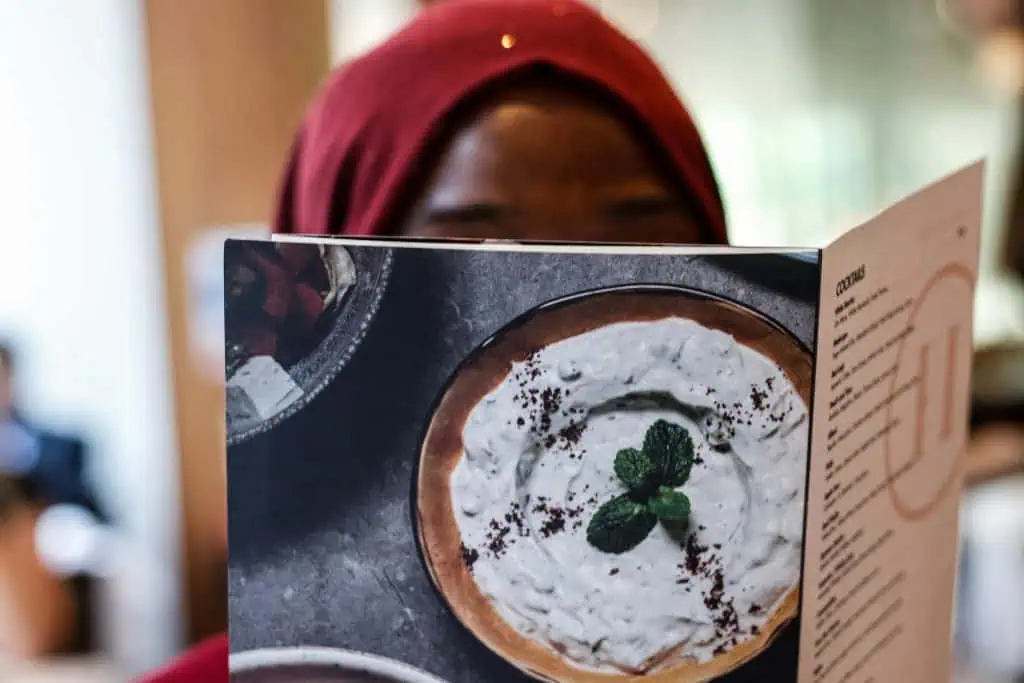
Overly extensive menus can signal trouble, as they often indicate a kitchen attempting too much without focus. This can lead to inconsistent quality and long wait times. A concise, curated menu reflects careful planning and a commitment to fresh, well-executed dishes. Opt for establishments that prioritize quality over quantity.
Scent Drama
A restaurant’s aroma is a key indicator of quality. Upon entering, a rich, appealing scent usually suggests fresh ingredients and skilled preparation. If the smell is musty or dominated by cleaning chemicals, it’s a sign of poor ventilation or neglect. Distinct, pleasant food aromas signal well-managed kitchens, while unpleasant or aggressive odors could hint at stale ingredients or poor hygiene. Trust your nose; it often knows what you’re about to encounter.
Cleanliness Red Flags
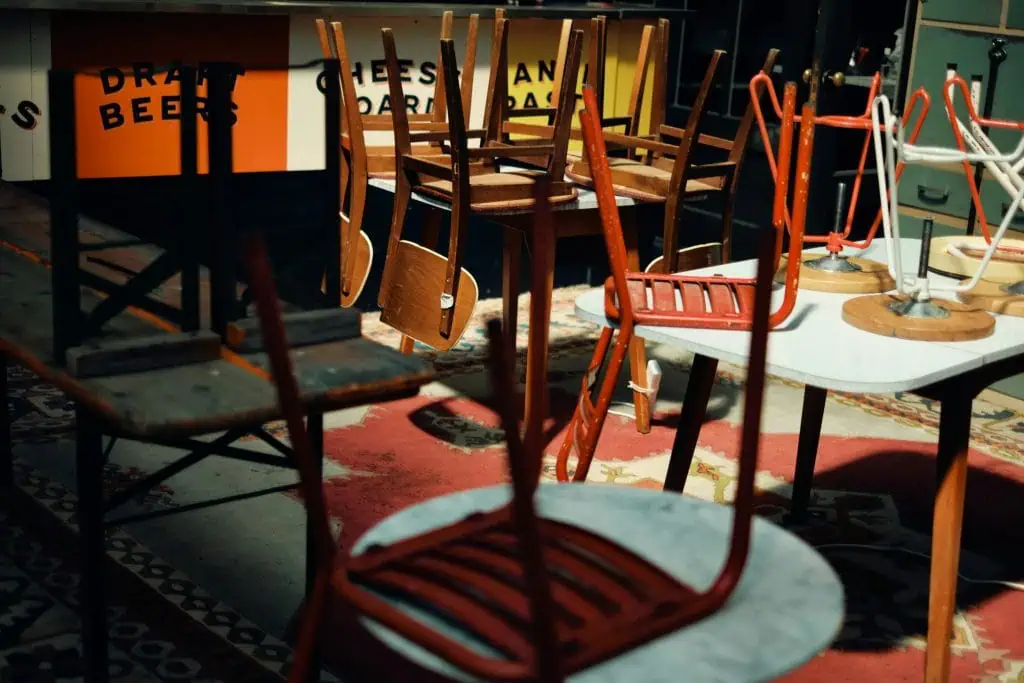
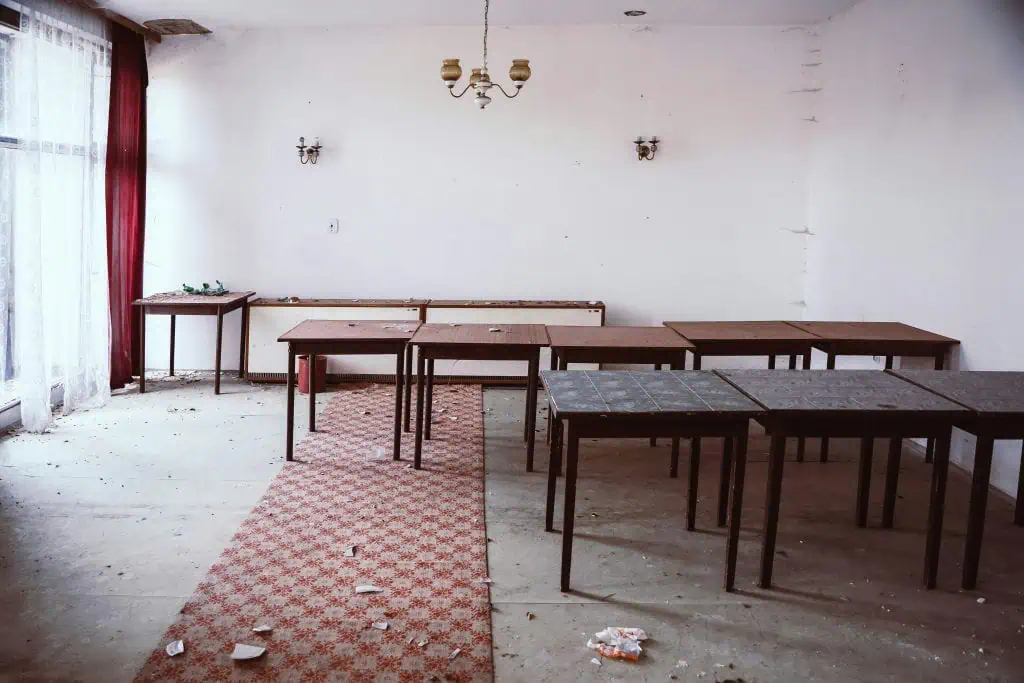
The cleanliness of a restaurant extends beyond the dining area. Observing sticky tables, grimy menus, or unswept floors can indicate neglect. Peek into restrooms; they often reflect wider sanitation standards. A clean, well-maintained space shows respect for guests and attention to detail. Any signs of disrepair or dinginess might suggest similar lapses in kitchen hygiene, making it worth reconsidering your choice to dine there.
Wait Without Explanation

Experienced restaurants manage wait times proactively, balancing expectations and service. If you’re left waiting without acknowledgment or explanation, it suggests disorganization or disregard for guests’ time. Competent hosts communicate delays and offer alternatives. An unexpected, unexplained wait can reflect poor management or understaffing and might forecast further disappointments during the meal.
Clueless Servers
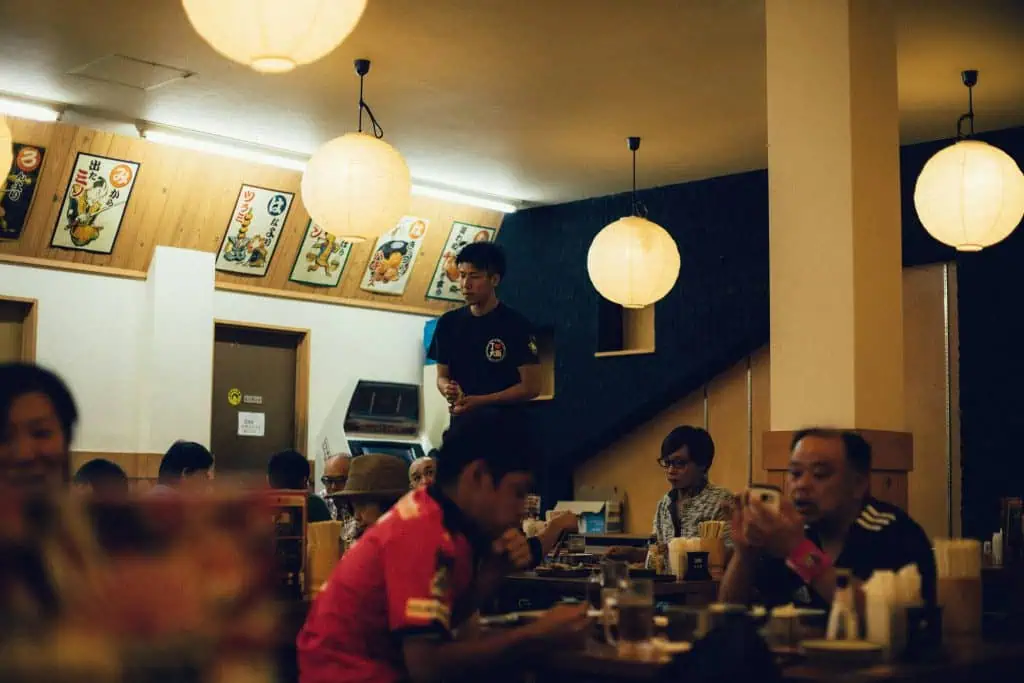
Servers should be familiar with the menu and able to confidently answer queries. If questions about dishes or ingredients are met with uncertainty, it signals insufficient training or lack of care. Skilled servers enhance the dining experience with knowledge and recommendations. A server’s inability to inform clearly about the menu may suggest lapses in staff management and insight into broader service quality issues.
Ingredient Mystery
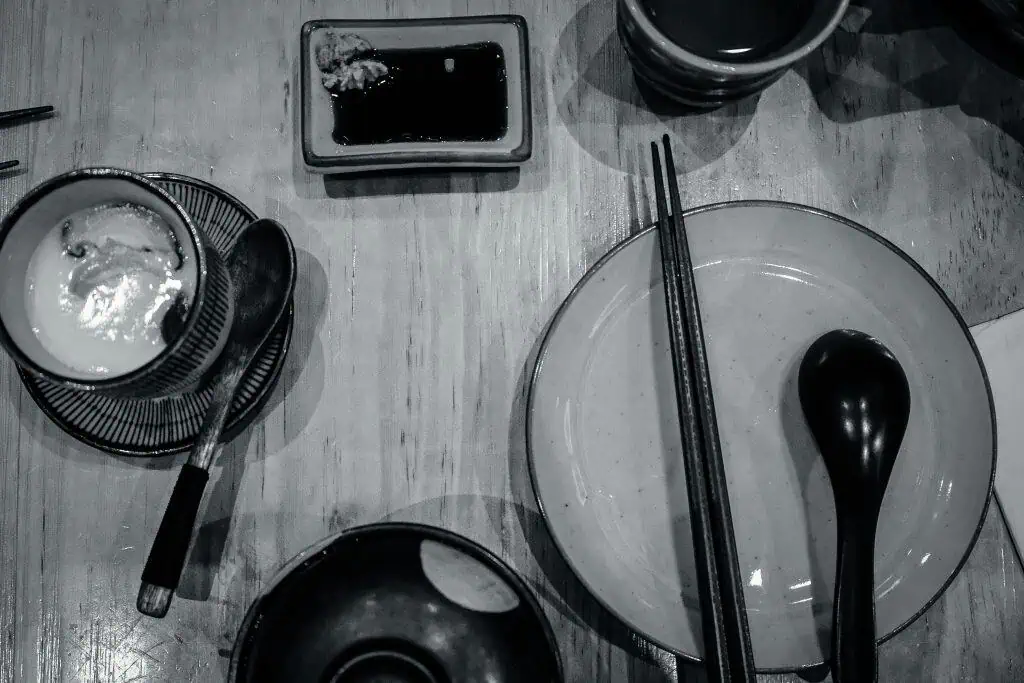
Transparency in ingredients ensures trust and satisfaction. If the menu is vague or descriptions are misleading, diners risk encountering subpar or unexpected ingredients. A good restaurant is upfront about sourcing and clearly describes dishes. When items appear or taste different from their description, or queries about components are avoided, this raises concerns about authenticity and quality standards.
Chaotic Soundtrack
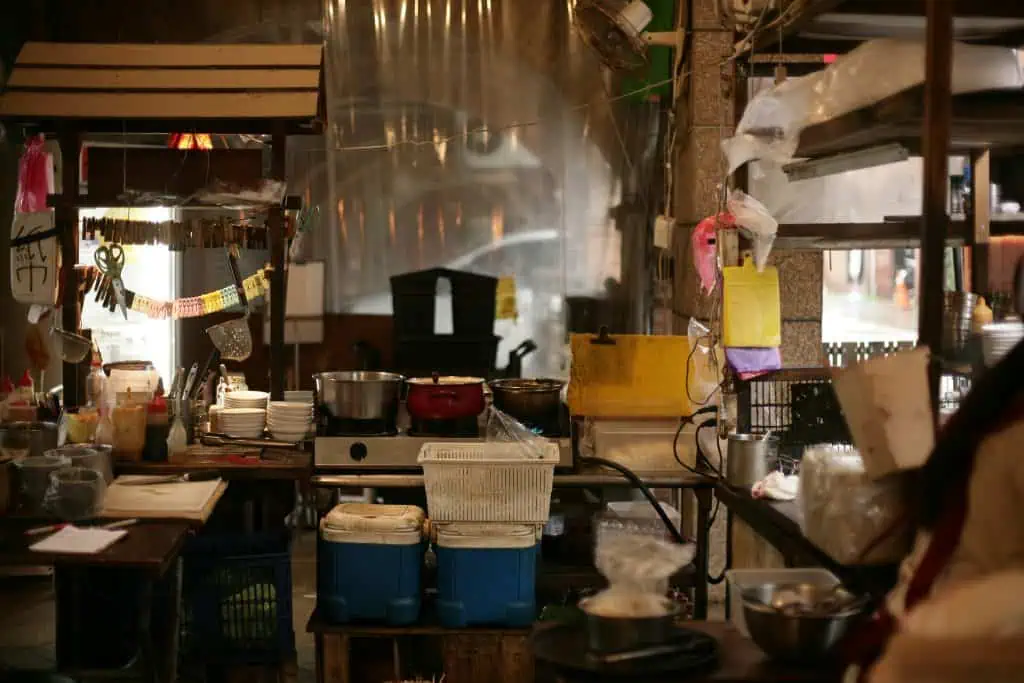
A chaotic soundtrack in a restaurant often drowns out conversation and disrupts the dining experience. Loud, disorganized music can indicate a lack of attention to detail, with the potential to signal poor overall management. When curating a playlist, a good restaurant aims for a balanced ambience, choosing tunes that complement rather than compete with the meal. Pay attention to the atmosphere upon entering. If it feels more like a loud concert than a dining venue, it may reveal underlying issues that could affect your service and meal enjoyment.
Dim Diner Dilemma

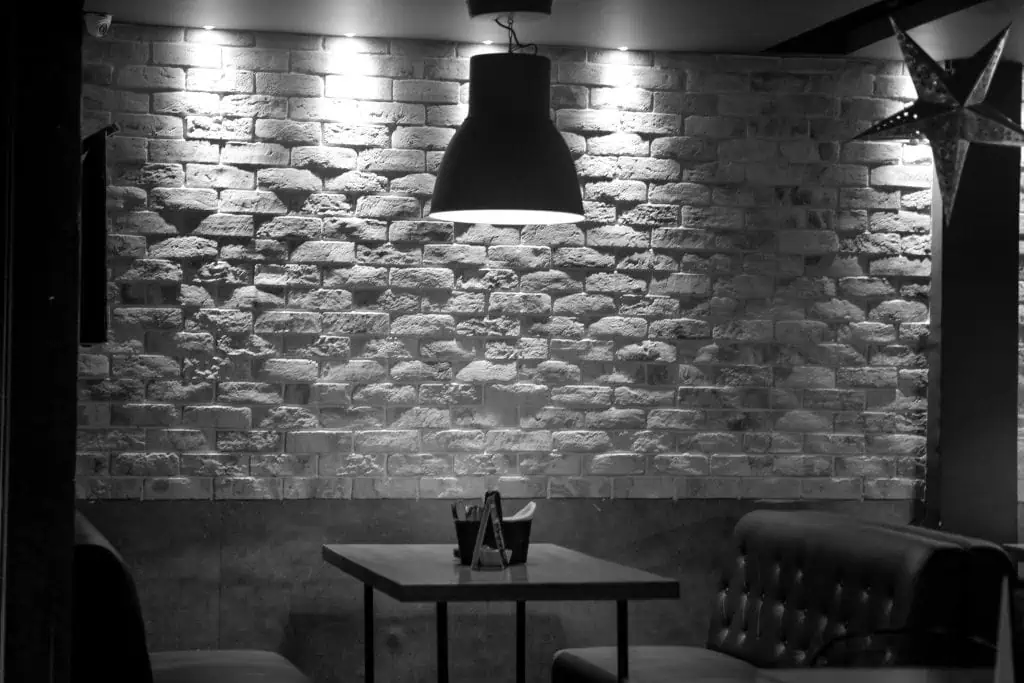
While dim lighting can create a romantic atmosphere, excessive dimness can signal trouble. If the lighting is so low that reading the menu becomes a struggle, it might suggest poor maintenance or even an attempt to disguise uncleanliness. Good lighting should be warm and inviting, allowing guests to comfortably see their meal’s presentation. Observe whether the dimness complements the décor or merely hides imperfections. A thoughtful setup ensures clarity without losing ambiance, allowing the culinary artistry to shine.
Mystery Health Grade
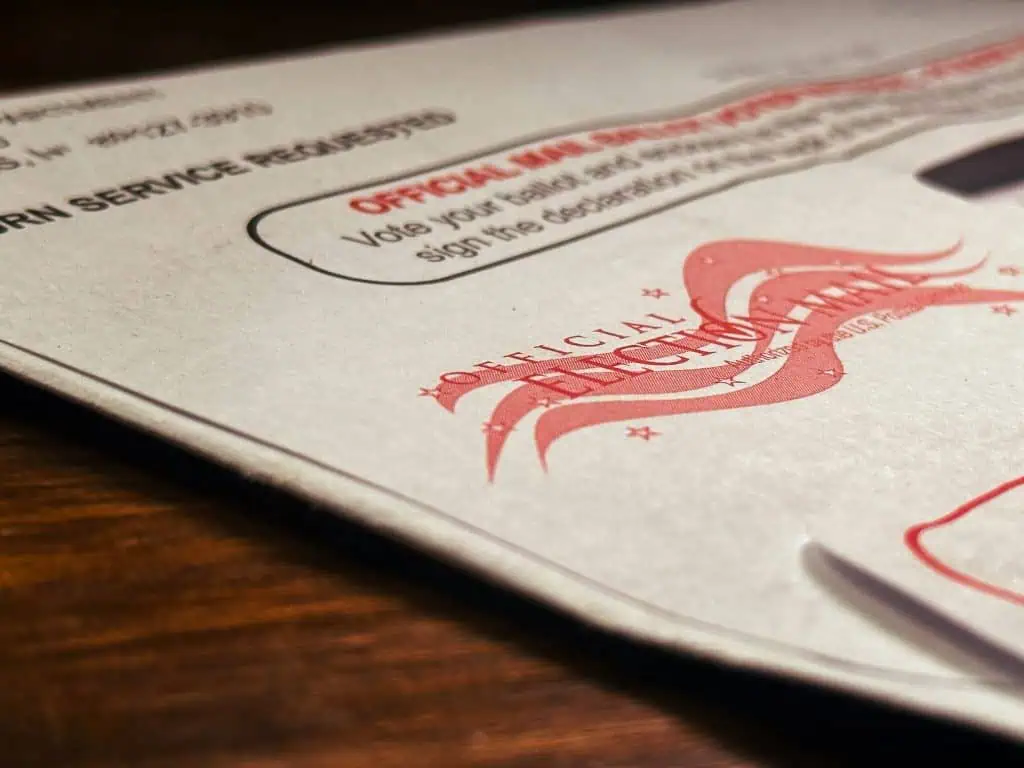
An undisplayed or ambiguous health grade raises concerns about cleanliness and safety. Reliable establishments proudly show their compliance with health standards. If a health certificate is missing or hidden, it might indicate lapses in hygiene practices. Always look for clear and recent health inspections to ensure the kitchen upholds sanitary measures. This grade provides insight into the restaurant’s commitment to maintaining a safe dining environment, ensuring that what’s on your plate is handled with care.
Online Opinion Storm
An overwhelming number of negative reviews with consistent themes can be a red flag. While individual tastes vary, patterns in feedback—such as poor service or inconsistently cooked food—are noteworthy. Analyze recent reviews, focusing on how the management addresses complaints. Responsive management with constructive changes often turns around a troubled establishment. However, if the same issues persist without acknowledgment, it may be wise to reconsider dining there, as it reflects possible ongoing problems.
Surprise Cash-Only Shock

Unexpectedly finding a restaurant is cash-only can indicate outdated practices or financial instability. Modern diners expect flexibility in payment methods, including credit cards and digital wallets. A lack of options may reveal basic management issues or a lack of transparency. This approach can be inconvenient, especially when unannounced. Check in advance if there’s a preference for cash, which ensures a smoother dining experience and sets expectations clearly, avoiding any abrupt surprises when settling the bill.
Staff Squabbles on Show
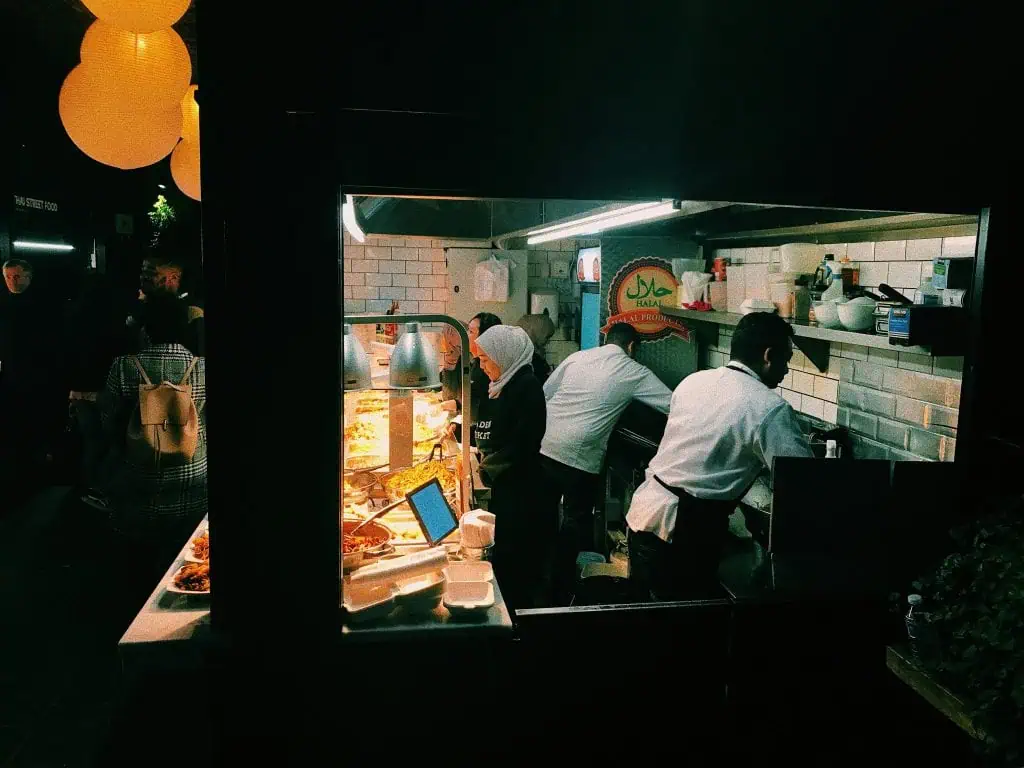
Witnessing disagreements among staff can be a red flag for disorganization and poor management. Such conflicts often lead to a disrupted dining experience, as service tends to suffer when teamwork is absent. If you notice visible tension or hear raised voices, it might be wise to reconsider your meal choice. This atmosphere can affect everything from the timing of your order to the attention your table receives. Staff harmony is crucial for a seamless, enjoyable dining outing.
