
Oats vs. Quinoa: Which Grain is Better for You
Step into any health-conscious kitchen and you are likely to find two familiar faces side by side. Oats and quinoa have both earned loyal followings, and for good reason. Each one brings serious nutritional credentials to the table, along with a rich history that stretches back centuries. But while they are often mentioned in the same breath, they are far from interchangeable. Understanding what sets them apart can help you choose the right grain for the right moment, whether you are building a hearty breakfast or a satisfying dinner bowl.
In this guide, we will compare oats and quinoa across the categories that matter most, from their ancient origins and nutritional profiles to their heart-health benefits, gluten-free status, and remarkable versatility in the kitchen. We will also look at cost, availability, and sustainability, so you can make a choice that fits both your lifestyle and your values. As your guide, I want to help you see these two staples in a new light and inspire you to use them with confidence and creativity. So let’s dig into the delicious debate between oats and quinoa.
Ancient Roots: From Fields to Superfoods

Oats have been cultivated in Europe for over a thousand years, prized for their resilience in temperate climates. In contrast, quinoa has a storied history in South America, revered by the Incas as “the mother of all grains.” Despite its recent ascent to superfood status, quinoa’s ancient origins highlight its nutritional depth. Both grains have transcended cultural boundaries, becoming staples in modern global cuisine. Their historical significance underscores their role as enduring dietary choices.
Fiber vs. Protein: Nutritional Breakdown

When comparing oats and quinoa, fiber and protein content stand out. Oats are rich in fiber, particularly beta-glucan, which promotes digestive health and helps regulate cholesterol. Quinoa, on the other hand, is a complete protein source, containing all nine essential amino acids, a rare feat for plant foods. While oats provide sustained energy and satiety through their complex carbohydrates, quinoa boasts a higher protein content, making it a compelling choice for vegetarians and vegans.
Heart Health and Beyond: Research-Backed Benefits

Oats are lauded for their heart-healthy properties, owing largely to their beta-glucan fiber, which effectively lowers LDL cholesterol levels. Quinoa, rich in antioxidants and anti-inflammatory compounds, contributes to reduced risk factors for heart disease. Studies also suggest quinoa’s role in improving metabolic health. Both grains support weight management through their satisfying fiber content while also aiding blood sugar control, making them excellent additions to a balanced diet.
Gluten-Free Digestibility Factors

For those with gluten sensitivities, both grains offer excellent options, though with nuances. Oats, naturally gluten-free, can sometimes be contaminated with gluten during processing. Seeking certified gluten-free oats ensures safety for sensitive individuals. Quinoa is inherently gluten-free and easily digestible, making it suitable for various dietary needs. Its versatility allows it to replace traditional gluten-containing grains without compromising taste or nutrition.
Versatility: From Breakfast to Dinner
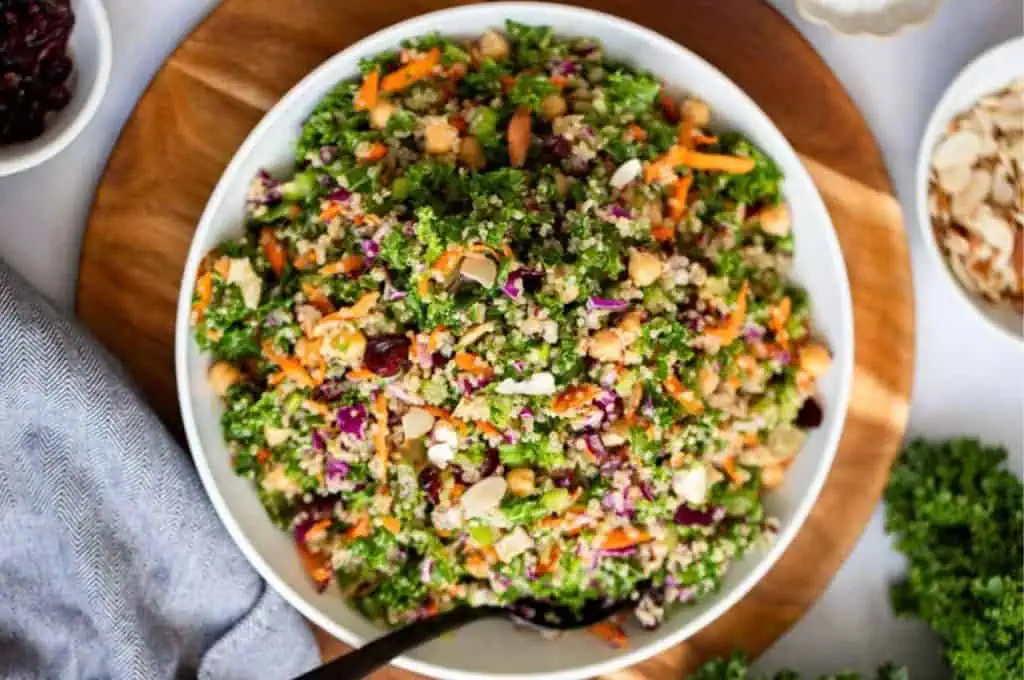
Oats and quinoa are versatile staples that adapt seamlessly from breakfast to dinner. Rolled oats create a creamy base for porridge, while their nutty crunch elevates granola. Swap oats into baking recipes for added texture and fiber. Quinoa, with its tender, chewy grains, provides a protein-rich base for salads and bowls. Use it to stuff vegetables or as a substitute in stir-fries. Both grains absorb flavors well, pairing perfectly with herbs, spices, and sauces, letting you craft dishes that range from sweet to savory with ease.
Get the recipe: Quinoa and Celery Salad
Cost, Availability, and Sustainability

Oats are widely available and generally more affordable than quinoa, making them a budget-friendly choice for many households. They require less water to grow, impacting their environmental footprint positively. Quinoa, though slightly more costly, is now more accessible due to rising demand. Its cultivation supports diverse ecosystems and fair trade practices boost farming communities. Sustainable choices depend on evaluating your local options and considering the broader environmental costs. Balancing price with eco-conscious decisions adds an informed layer to your grain selection.
The Verdict: Choose What Fits Your Lifestyle

The choice between oats and quinoa ultimately hinges on your dietary preferences and lifestyle needs. Oats, rich in fiber and beta-glucans, are excellent for heart health and easy to incorporate daily. Quinoa offers a complete protein source and is gluten-free, which suits high-protein diets or those with gluten sensitivities. Consider your health goals, budget, and taste preferences when deciding. Integrating both grains allows for nutritional variety and culinary experimentation, enhancing your meals with diverse textures and flavors.
