
Why Major Restaurant Chains are Shrinking Their Dining Rooms
If you have walked into a newly built Taco Bell or McDonald’s recently, you likely noticed something missing: half of the tables. According to 2026 industry reports, major chains are factually shrinking their dining room footprints by up to 50% compared to a decade ago.
This shift isn’t a sign of failure, but rather a strategic response to a world where “off-premise” dining now accounts for over 60% of all restaurant traffic. In 2026, every square foot of a restaurant is being scrutinized for its “ROI,” and empty chairs simply don’t pay the rent.
The 60% Off-Premise Shift
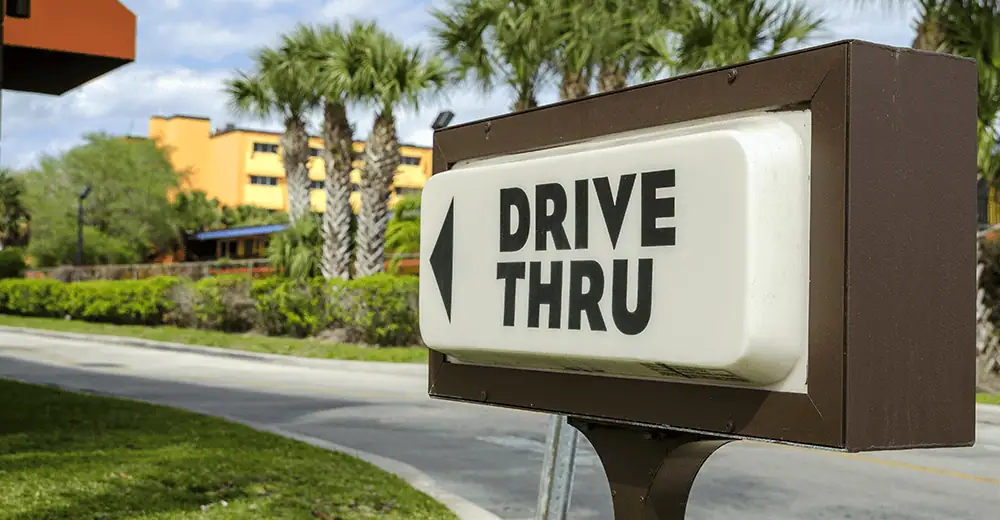
The primary driver of smaller dining rooms is the factual dominance of takeout, delivery, and drive-thru orders. According to the National Restaurant Association’s 2026 outlook, more than six out of ten meals are now consumed away from the restaurant.
This has turned many traditional dining rooms into “expensive waiting areas” rather than active social hubs. As a result, chains are reallocating that space to expand their kitchens and storage to handle the massive volume of digital orders.
The Rise of “Digital-Only” Lanes
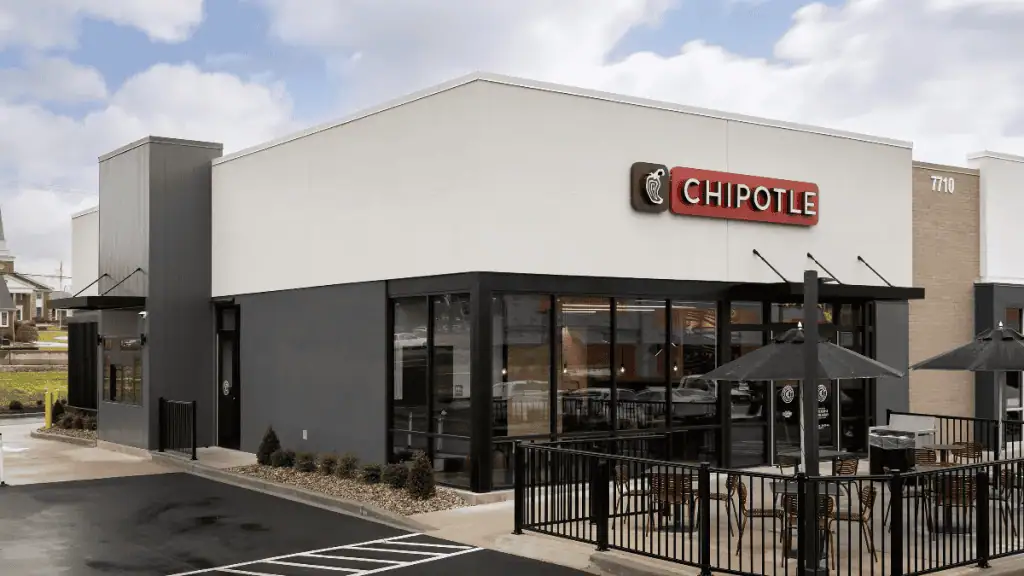
Chains like Chipotle and Taco Bell are leading the 2026 trend of replacing seating with dedicated “pickup lanes.” According to 2026 architectural audits, the “Chipotlane” model a drive-thru exclusively for mobile ordersnow accounts for over 80% of new Chipotle openings.
By removing the dining room, these locations can fit onto smaller, cheaper plots of land while moving cars through significantly faster. This “digital-first” design ensures that the high-speed needs of 2026 app users are met without the overhead of maintaining a public restroom or a soda fountain.
The “Third Place” is Moving Home
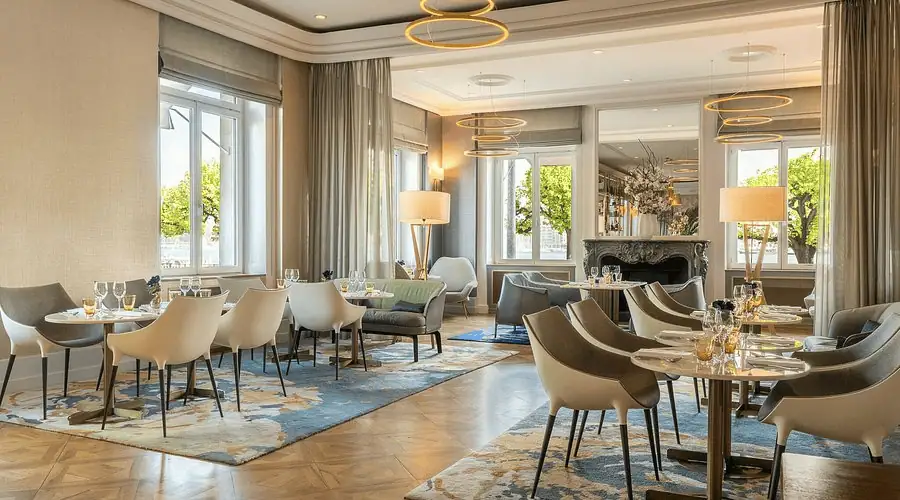
For decades, fast-food chains marketed themselves as a “third place” between work and home, but 2026 consumer behavior has moved that “place” to the living room. According to recent psychological studies, 57% of Millennials and Gen Z now prefer eating delivery while watching TV over dining out with family.
This shift has made large, brightly-lit dining rooms feel “excessive” to a demographic that values privacy and convenience. To stay relevant, chains are focusing their 2026 budgets on high-quality packaging that keeps food hot during transport rather than fancy interior decor.
Labor Costs and “Cleaning Efficiency”

Shrinking a dining room is a factual way to lower one of the industry’s biggest 2026 headaches: labor costs. According to 2026 retail management data, every table in a restaurant requires a staff member to clean, sanitize, and manage it throughout the day.
By reducing the number of seats, managers can operate with a leaner crew, focusing their staff entirely on “order fulfillment” rather than “housekeeping.” In a year defined by rising minimum wages and labor shortages, a smaller room is simply a more efficient machine.
The “Ghost Kitchen” Influence
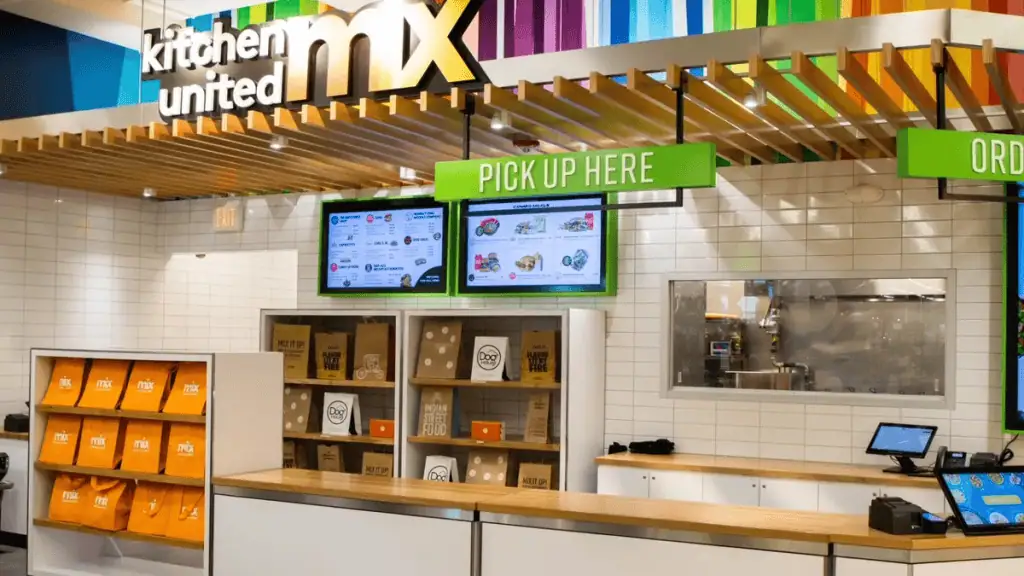
The success of ghost kitchens (restaurants with no storefront at all) has proven that a dining room is no longer a factual requirement for brand success. According to 2026 culinary strategy reports, “hybrid” models are now the standard, where a small counter serves walk-ins while the back-of-house serves three different virtual brands.
This “multi-brand” approach requires a massive kitchen but almost no public space, turning the restaurant into a high-tech fulfillment center. For the chains of 2026, the real “front of house” is now the user interface on your smartphone.
