
12 Everyday Snacks With Origins You Would Never Guess
Everyday snacks often hold surprising bits of history and innovation. Knowing the origins behind these familiar bites not only adds depth to your appreciation but can also inspire new culinary explorations in your kitchen. Delving into the unexpected past of these snacks brings context to their flavors and methods, making each one a little more special next time you savor them. Discover the intriguing stories of some popular treats you thought you knew well.
Potato Chips: A Culinary Accident

Potato chips, crisp and addictive, owe their existence to a moment of frustration in a 19th-century kitchen. When a demanding customer repeatedly sent back his fried potatoes as too thick, chef George Crum sliced them paper-thin, fried them to a crisp, and inadvertently created a timeless snack. The key to perfecting potato chips at home lies in uniform thinness, careful seasoning, and achieving that golden crunch. Use a mandoline for precision and fry in small batches to maintain even heat distribution.
Pop-Tarts: From Breakfast to Icon

Pop-Tarts were born from technological advances in food preservation pushed by the post-war era's convenience culture. Originally intended as a toaster-friendly breakfast revolution, this shelf-stable pastry quickly became a beloved treat. For homemade versions, focus on flaky pastry dough and vibrant fillings. Laminate your dough with care, ensuring layers that puff and crisp. Experiment with fillings like fresh fruits and rich jams, and glaze with simple icing to recapture their nostalgic essence.
Peanut Butter: Ancient Beginnings
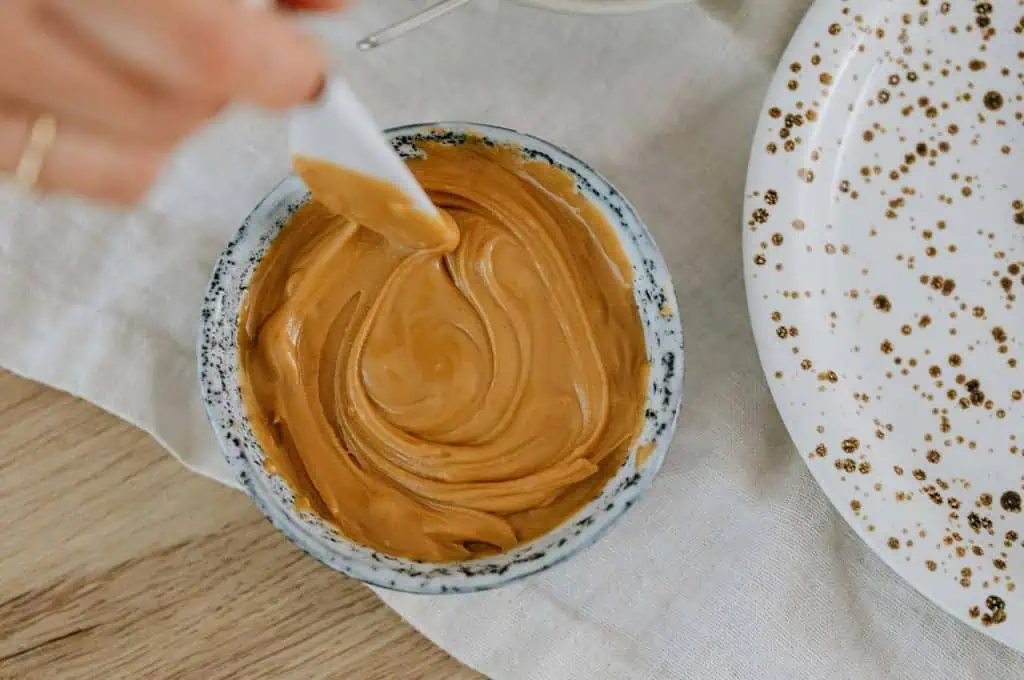
Peanut butter's history traces back to the Aztecs, long before it became a pantry staple. They ground roasted peanuts into a paste, a technique that's evolved into today’s creamy or crunchy spreads. To master homemade peanut butter, roast your peanuts until aromatic, then process them into a smooth or chunky texture, adding salt and perhaps a touch of honey for balance. Control the process to bring out the nut's natural oils for a spread that's fresher and more flavorful than any store-bought option.
Twinkies: The Depression-Era Treat

Twinkies originated as an economical solution during the Great Depression when a bakery had surplus shortcake pans but no strawberries. The innovation was filling them with banana cream instead, later replaced by vanilla due to wartime shortages. Recreate Twinkies at home by focusing on a light, airy sponge and a rich, creamy filling. Use egg whites to achieve a feather-like texture in the cake, and whip your filling to silky perfection, offering indulgent nostalgia within each bite.
Doritos: The Accidental Flavor Hit

Doritos began as a simple means to reduce waste at a Mexican restaurant in Disneyland. Stale tortillas were cut, fried, and seasoned, giving rise to what would become a cultural icon. The key to replicating their addictive quality is balancing the seasoning. Achieving the signature zesty kick involves a blend of chili powder, cumin, and a hint of lime. Allowing the chips to cool after frying ensures maximum crunch. Attention to detail in seasoning will transform plain tortilla chips into a flavorful snack reminiscent of the original accidental hit.
Cheez-Its: The Cheese Cracker Revolution
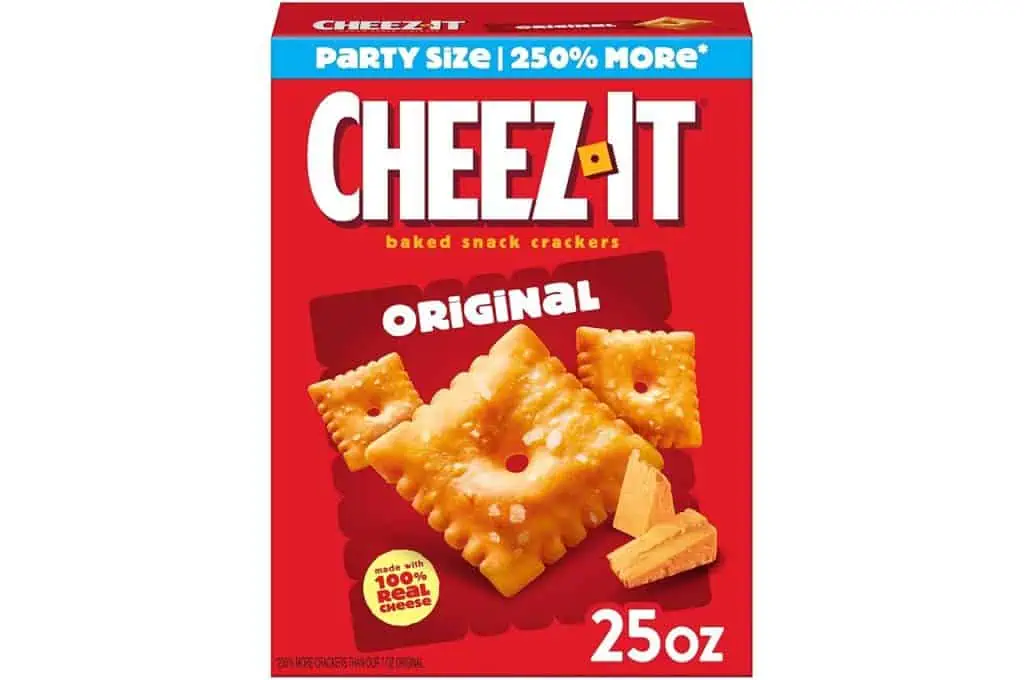
Cheez-Its were born from the desire to create a snack that embodied the richness of cheese within a simple cracker. This involves selecting a sharp cheddar that releases robust flavors when baked. The dough's preparation is crucial; knead just enough to achieve a flaky texture without overworking. A touch of paprika gives the crackers their distinctive color. Baking until golden brown enhances their flavor profile, turning a humble snack into a culinary standout. Small details, like precise cheese selection and dough handling, elevate these crackers above ordinary offerings.
Oreo Cookies: Rivalry Fueled Innovation

The Oreo cookie emerged from an intense rivalry, crafted to surpass existing chocolate sandwich biscuits. Key to capturing Oreos’ legacy is the contrast between the deep cocoa flavor and the smooth, sweet filling. For the cookie, use quality cocoa powder and a touch of sea salt to amplify the chocolate's complexity. The filling requires just the right mix of vanilla extract to complement without overpowering the cocoa. Roll the dough to an even thickness to ensure even baking, creating a crisp snap that defines this timeless treat.
Goldfish Crackers: Swiss Treasure
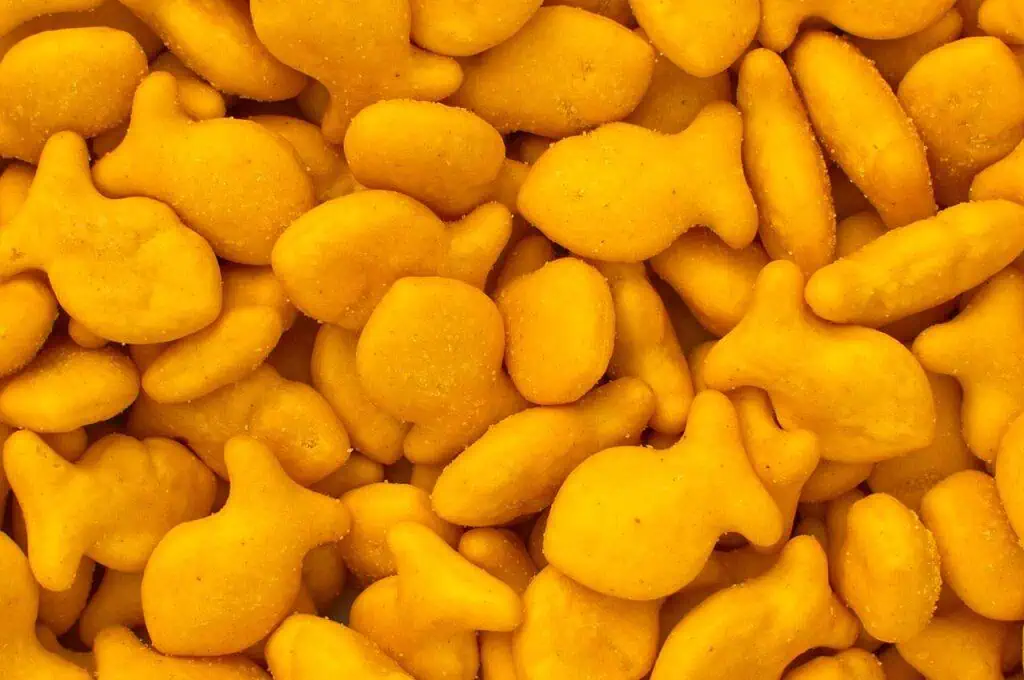
Goldfish crackers trace their origin to a Swiss inventor's desire to create a celebratory snack. The delicate balance of cheese and butter flavors are enhanced with quality Swiss cheese, offering a nutty depth. Achieving their light, airy texture is about perfecting the dough's leavening. Rolling it thin ensures a crisp, even bake. A dash of paprika isn’t just for color; it provides a subtle warmth, rounding out the flavor profile. When executed with precision, these crackers become an eternal symbol of Swiss ingenuity in snack form.
Pringles: Science Meets Snack
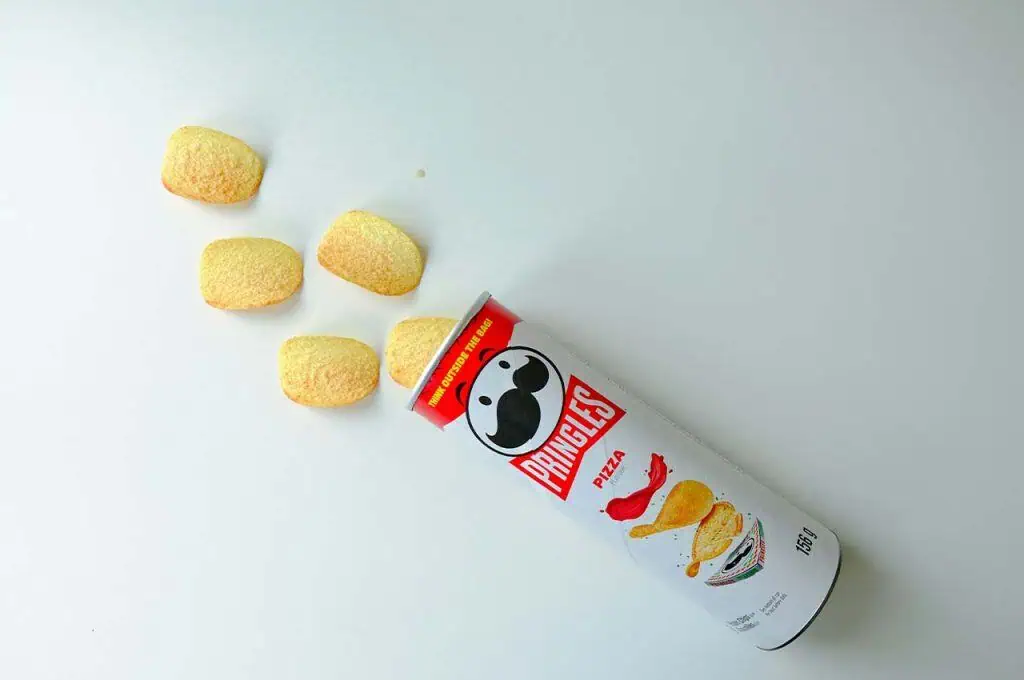
Pringles were engineered as uniform potato crisps, addressing inconsistencies in traditional chips. The key lies in blending dehydrated potato flakes with cornstarch and emulsifiers, which ensures a consistent texture. The uniform stacking is not just for appearance but allows for even cooking. Controlling oil temperature is vital; too hot and they’ll become greasy, too cool and they’ll lose their crispness. The seasoning is a science of its own, requiring precise measurements for balance. The result is a stackable, scientifically-crafted snack that is as innovative today as it was at inception.
Popcorn: Ancient Origins in Theatre
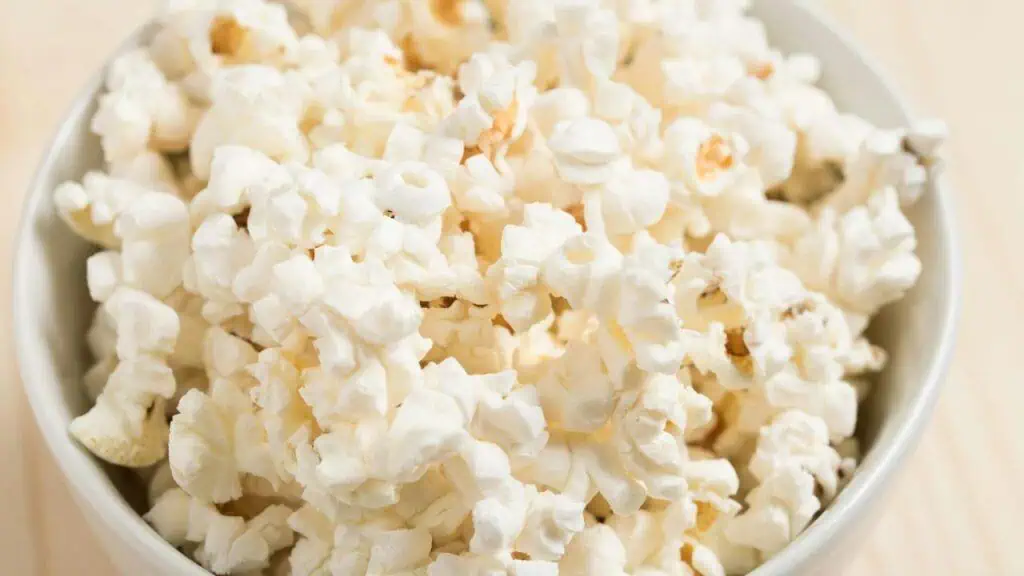
Popcorn is an ancient snack with roots tracing back to indigenous cultures who used heated vessels to pop corn kernels. Its popularity soared in the 20th century, becoming a staple in American theaters. To achieve the ideal texture, start with quality kernels and use a heavy-bottomed pot. Heat oil to the right temperature, it should sizzle with a few trial kernels. Once popping begins, keep the lid slightly ajar for steam to escape, ensuring crispness. Salt the popcorn immediately after popping to maximize flavor adherence.
M&M’s: Military Beginnings

M&M’s were devised during World War II as a travel-friendly, melt-resistant chocolate for soldiers. Their appeal lies in the balance between the crisp sugar shell and creamy chocolate core. To enhance a homemade version, use high-quality chocolate, melted gently over a double boiler. Craft small, uniform rounds for even coating, using a sugar syrup heated to the soft-crack stage at 270°F (132°C). Carefully rolling the chocolate centers ensures a smooth shell. This thoughtful recreation offers insight into the careful engineering behind these iconic candy-coated chocolates.
Kit-Kat: The Break-Time Invention

Kit-Kat originated in the UK as a convenient treat for workers on break. Its success is found in the harmony between wafer layers and smooth chocolate. Recreate this by selecting crisp wafers and premium chocolate. Use tempered chocolate for a shiny, snap-worthy coating. Sandwich the wafers with a spreading of chocolate to maintain structure. Carefully immerse the assembled wafers in chocolate, ensuring complete coverage for that characteristic crack. This process highlights the delicate engineering behind a seemingly simple snack, inviting a satisfying pause in your day.
