
Nut Showdown: Almonds vs. Cashews—Who Wins?
Nuts are one of the best snacks out there. They’re crunchy, satisfying, and packed with nutrients. But when it comes to almonds vs. cashews, which one deserves a spot in your pantry? It’s a classic debate. Almonds are the overachievers—loaded with vitamin E, magnesium, and fiber, they’re great for heart health and keeping you full. Cashews are the creamy, buttery cousins—rich in iron, zinc, and healthy fats, they’re perfect for sauces, dairy-free creams, and smooth snacking. Both are nutritious, both are delicious, but they shine in different ways. The choice really comes down to what you need and how you plan to use them.
So if you’ve ever stood in the snack aisle wondering which nut to grab, you’re in the right place. In this article, we’re breaking down the key differences between almonds and cashews—from nutritional profiles and healthy fats to texture, culinary uses, and even sustainability. You’ll learn why almonds might keep you fuller longer, how cashews can transform into creamy sauces, and what to consider if you care about eco-impact. No complicated science. Just real, practical info to help you choose the right nut for your lifestyle. Let’s crack it open.
Nutrient Face-Off: Health Benefits Clash
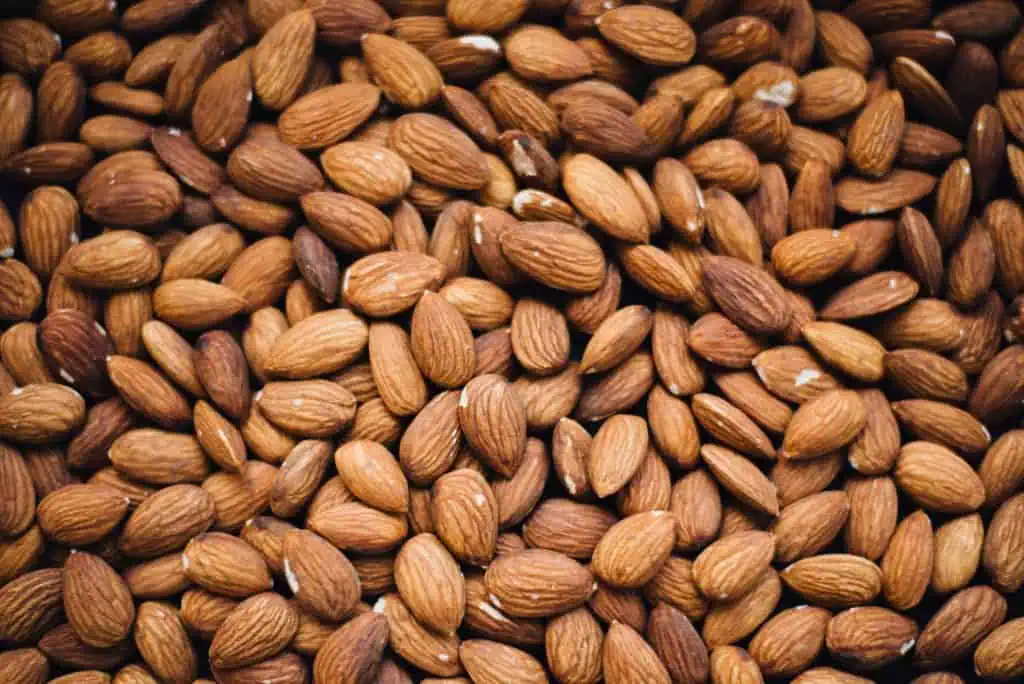
Almonds boast an impressive array of nutrients, including vitamin E, magnesium, and fiber, making them a powerful ally for heart health and skin vitality. Cashews, on the other hand, provide a rich source of iron, zinc, and vitamin K. They support immune function and bone health. Both nuts are excellent plant-based protein sources, but almonds edge ahead with their higher fiber content, contributing to improved digestion and stability in blood sugar levels.
Crunch Factor: Texture & Culinary Uses

In the kitchen, the texture of almonds stands out with their firm, crunchy bite, ideal for salads, granolas, or nut butter. Cashews, buttery and rich, excel in creamy sauces and desserts, offering a smooth texture when blended. For baking, almonds can be used in meal form for gluten-free alternatives, while cashews create luxurious dairy-free creams and cheeses. Both nuts are versatile, but their distinct textures suit different culinary needs.
The Fat Debate: Good vs. Bad Fats
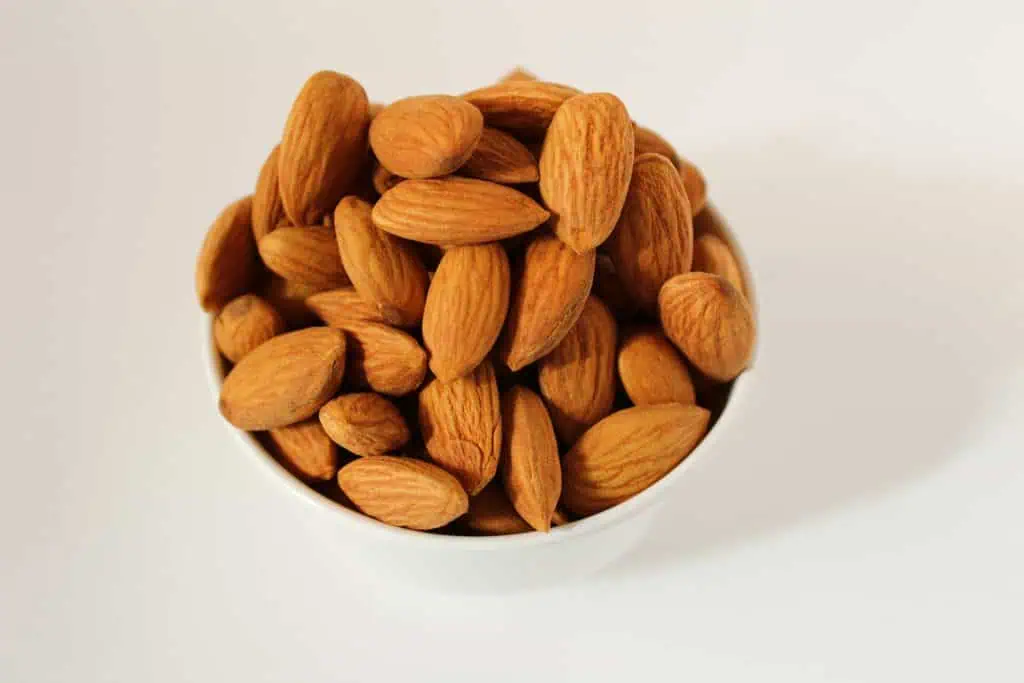
Both almonds and cashews contain heart-healthy monounsaturated fats, essential for cholesterol management. Almonds have a slight advantage with a higher proportion of these beneficial fats while maintaining lower levels of saturated fats. Cashews contain more saturated fats, but still fit within a heart-healthy diet when consumed in moderation. Understanding the quality of fats each nut provides aids in choosing the right nut for your dietary goals.
Snack Wars: Who Keeps You Fuller?
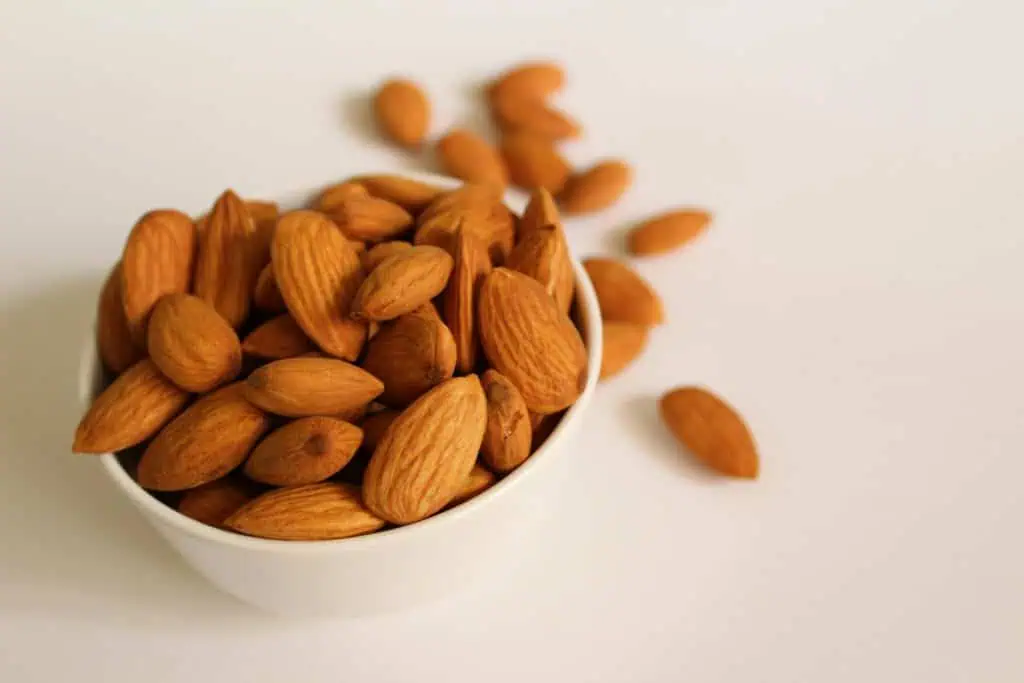
When it comes to snacking, maintaining satiety is crucial. Almonds, with more fiber and protein, often deliver a longer-lasting sense of fullness. This combination slows digestion, reducing hunger pangs. Cashews, though lower in fiber, are rich and satisfying due to their creamy texture and fat content. If reaching for a snack that curbs hunger for longer stretches, almonds might be the preferred choice, especially for those seeking to manage their weight or blood sugar.
Eco Impact: Sustainability Stakes

When assessing sustainability, almonds and cashews present distinct challenges. Almonds demand significant water resources, particularly pressing in drought-prone California. Cultivating almonds sustainably involves integrating water-efficient irrigation practices to mitigate this impact. Conversely, cashews often require intensive labor, typically in tropical climates. Ethical sourcing focuses on fair trade and labor rights, ensuring fair wages and safe working conditions for farmers. Both nuts require mindful consumption and sourcing that considers these environmental and social factors to truly support sustainability.
