
Doing Dry January? These Are the 10 Best Drinks to Order Instead of Alcohol
Dry January has become a popular reset for people looking to reassess their drinking habits without opting out of social life. The biggest challenge is often not avoiding alcohol, but finding drinks that still feel adult, intentional, and enjoyable in bars or restaurants. Ordering plain soda can feel anticlimactic, especially in social settings built around cocktails. Fortunately, many alcohol-free options deliver complexity, ritual, and presentation, helping Dry January participants stay engaged without feeling like they’re missing out.
Sparkling Water with Citrus and Bitters Substitute
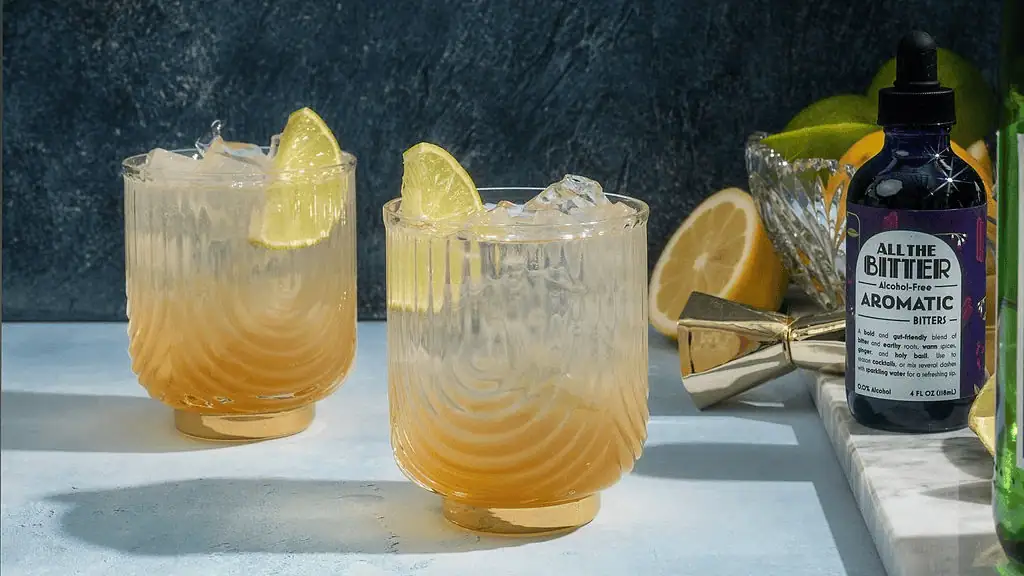
Sparkling water dressed with fresh citrus delivers brightness and bite without alcohol. When paired with non-alcoholic bitters or aromatic herbs, it mimics the complexity of a cocktail while staying refreshing. This option works well at bars because it looks intentional rather than improvised. The carbonation adds structure, while citrus oils provide aroma, making it feel like a real drink choice rather than a placeholder.
Tonic Water with Lime
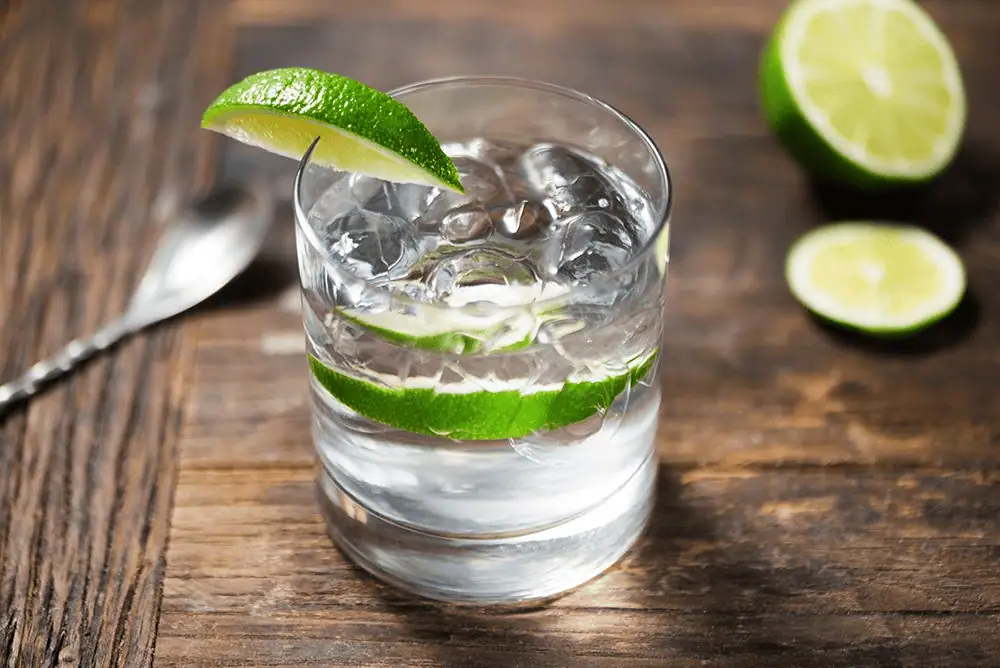
Tonic water offers bitterness and depth that plain soda lacks, making it a natural alcohol-free substitute. The quinine provides a sharp edge, while fresh lime adds acidity and freshness. This drink feels familiar in cocktail settings, helping Dry January participants blend in socially. Its crisp profile makes it suitable for slow sipping, especially when served over ice in a proper glass.
Ginger Beer or Ginger Ale with Fresh Lime

Ginger-based drinks deliver heat, spice, and lingering flavor that alcohol-free options often lack. Ginger beer, in particular, offers boldness and mouthfeel that make it satisfying to sip. Adding fresh lime balances sweetness and enhances complexity. This drink works well in bars because it mirrors the assertiveness of a cocktail, helping avoid the sense of drinking something watered down or juvenile.
Non-Alcoholic Mojito

A non-alcoholic mojito combines mint, lime, sugar, and soda for a drink that feels festive and intentional. The muddled mint releases aroma, while lime provides acidity and balance. Served properly, it looks identical to its alcoholic counterpart, removing awkwardness in group settings. Its freshness makes it ideal for social drinking moments without relying on alcohol for impact.
Iced Herbal Tea
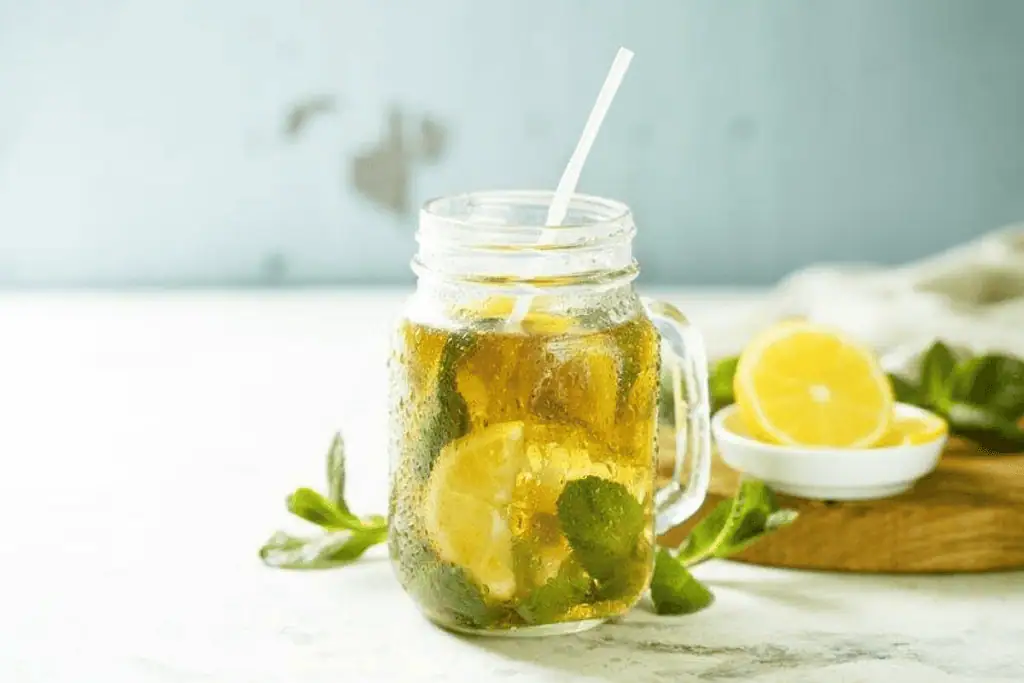
Iced herbal tea offers depth and subtle complexity without caffeine or alcohol. Options like hibiscus, chamomile, or mint provide floral or earthy notes that feel grown-up and calming. When served chilled with citrus or herbs, iced tea feels deliberate rather than default. It’s a good choice for long conversations, offering flavor without stimulation or heaviness.
Kombucha

Kombucha has become a popular Dry January option due to its tangy flavor and fermented character. The slight acidity and carbonation mimic aspects of beer or wine without crossing into alcohol territory. Its complexity makes it satisfying to sip slowly, and it fits naturally into modern bar menus. Kombucha helps bridge the sensory gap for people accustomed to more layered drinks.
Mocktail with Shrub or Vinegar Base

Shrub-based mocktails use vinegar, fruit, and sugar to create sharp, complex drinks that feel sophisticated. The acidity provides structure similar to alcohol, while fruit adds depth. These drinks appeal to people who miss bold flavors rather than sweetness. Ordering a shrub-based mocktail signals intention and familiarity with alcohol-free trends, making it a confident Dry January choice.
Espresso Tonic

An espresso tonic combines chilled espresso with tonic water for a drink that is bitter, fizzy, and invigorating. It feels modern and deliberate, especially in cocktail-forward spaces. The contrast between coffee and carbonation creates complexity that holds attention. This option works best earlier in the evening, offering stimulation without alcohol while still feeling like a crafted beverage.
Hot Spiced Apple Cider

Hot spiced apple cider delivers comfort and ritual without alcohol, especially in colder months. Cinnamon, clove, and citrus peel add warmth and aroma, making it feel seasonal and intentional. Served in a mug, it replaces the social role of hot cocktails like mulled wine. This drink appeals to those seeking coziness rather than sharp refreshment during Dry January.
Alcohol-Free Beer or Wine Alternatives
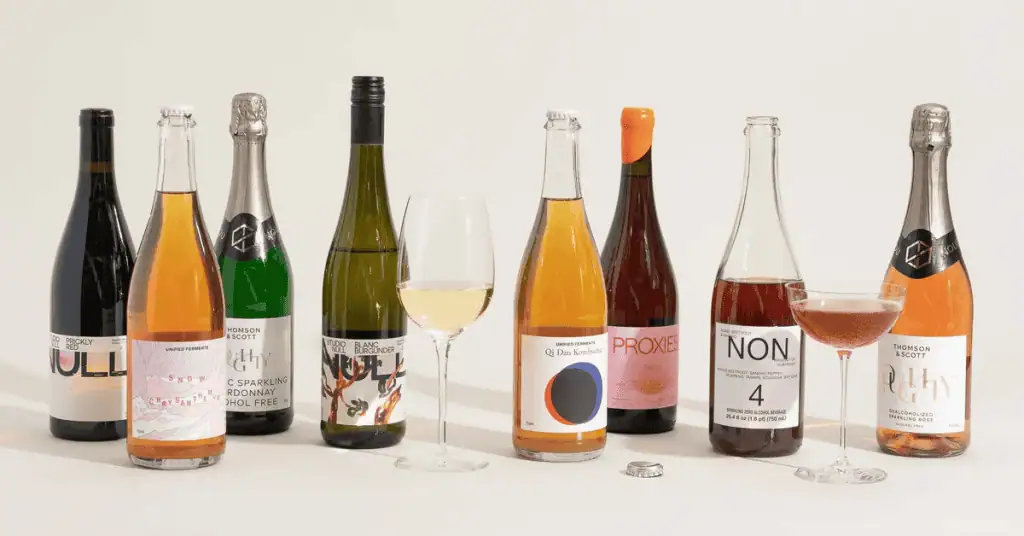
Alcohol-free beer and wine options have improved significantly, offering recognizable flavors without intoxication. While not identical to traditional versions, they provide familiarity and social ease. Ordering them allows Dry January participants to maintain rituals associated with drinking while staying aligned with their goals. These options work best for people who value the experience of holding a familiar glass.
