
8 foods that get Confiscated at Airports more than any others
Airport security doesn’t just confiscate oversized liquids or forgotten electronics; food is one of the most commonly taken categories at checkpoints worldwide. Many travelers assume familiar snacks are automatically allowed, only to lose them due to liquid restrictions, agricultural laws, or international biosecurity rules. Edibility doesn’t guarantee clearance. According to airport security data and frequent traveler reports, certain foods are repeatedly flagged and removed. These items aren’t rare or exotic, which is exactly why they catch people off guard and disappear at screening more often than expected.
Liquids and Spreadable Foods Over the Limit

Foods classified as liquids or gels are the most frequently confiscated items at airport checkpoints. Yogurt, hummus, peanut butter, soft cheeses, jams, dips, and sauces all fall under liquid restrictions when they exceed carry-on size limits. Many travelers assume food is exempt from these rules, but security applies the same standards used for toiletries. Once flagged, these items are rarely allowed through. This category causes constant surprise, especially because the foods seem solid, familiar, and harmless compared to traditional liquid items.
Fresh Fruits and Vegetables

Fresh fruits and vegetables are commonly confiscated, particularly on international flights or when entering certain regions. Items like apples, oranges, bananas, peppers, or leafy greens may be taken due to agricultural protection laws. These rules exist to prevent pests, invasive species, and plant diseases from crossing borders. Travelers often assume small quantities are acceptable, only to learn otherwise at screening. Because the restrictions vary by destination, many people don’t realize the risk until their produce is removed, making fresh foods one of the most consistently confiscated categories.
Meat and Meat Products

Meat products are among the most commonly confiscated foods at airports, especially on international routes. Cured meats, sausages, jerky, pâté, and fresh or frozen meat are tightly regulated due to animal disease prevention and import laws. Even vacuum-sealed or commercially packaged meats aren’t guaranteed to pass, as rules vary by destination. Travelers often bring these items as gifts, assuming sealed packaging makes them safe. In reality, animal products trigger strict inspections, and many are removed on the spot. This category consistently catches travelers off guard because the restrictions aren’t widely understood.
Cheeses (Especially Soft Cheeses)
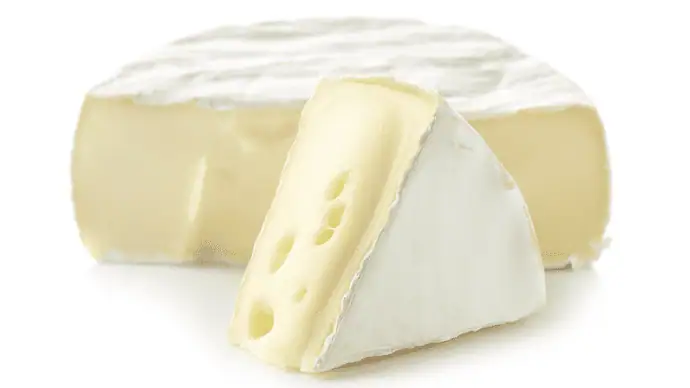
Cheese surprises many travelers at security checkpoints. While hard cheeses like cheddar or parmesan usually pass, soft cheeses are frequently confiscated. Brie, camembert, ricotta, cream cheese, and similar varieties are classified as liquids or spreadables under carry-on rules. That texture alone can trigger removal if the item exceeds size limits. Many travelers assume all cheese is solid and therefore allowed, only to lose it at screening. Because the distinction isn’t obvious, soft cheeses remain one of the most commonly seized food items, despite feeling like a harmless, travel-friendly snack.
Soups, Stews, and Broths
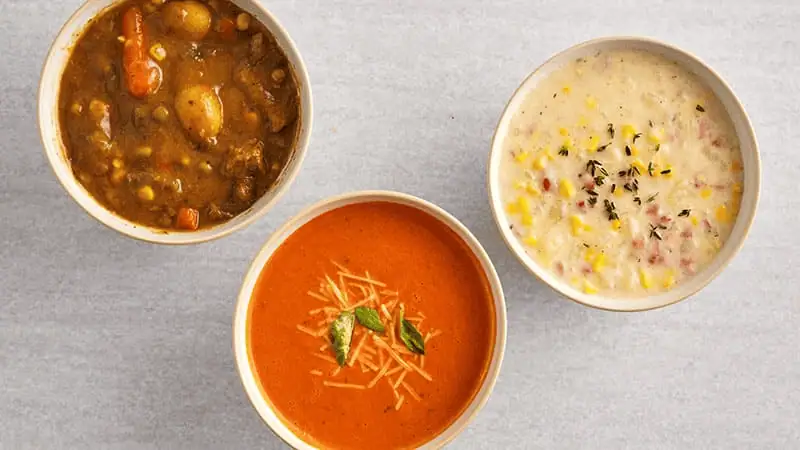
Soups, stews, and broths seldom make it through airport security in carry-on bags. Any food with high liquid content is subject to the same restrictions as beverages, regardless of how much solid material it contains. Homemade soup packed for comfort or leftovers saved for later are frequently flagged and discarded. Travelers are often shocked to see carefully sealed containers confiscated. The issue isn’t food safety, it’s volume and consistency. Because these meals look substantial, many people don’t realize they fall squarely under liquid regulations until it’s too late.
Alcoholic Desserts and Infused Foods

Desserts and foods infused with alcohol are frequently confiscated due to alcohol content, liquid volume, or customs limits. Items like rum cake, liqueur-filled chocolates, soaked fruit, or syrup-heavy desserts can cross regulatory thresholds without travelers realizing it. Even small amounts of alcohol may violate carry-on or import rules depending on the destination. Because these foods don’t resemble drinks, travelers often assume they’re exempt. In reality, both security and customs may flag them, making alcohol-infused treats a common casualty at checkpoints, especially on international flights.
Homemade Foods Without Clear Packaging
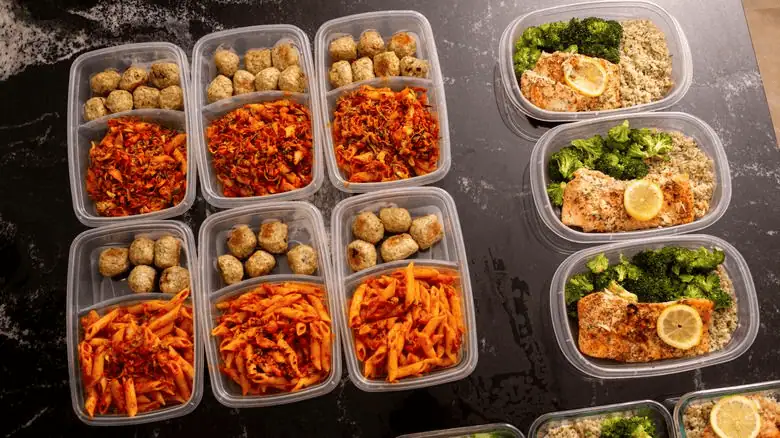
Homemade foods wrapped in foil or packed in unlabeled containers are far more likely to be flagged at airport security. When officers can’t easily identify what an item contains, it increases scrutiny and the chance of confiscation. Even if the food itself isn’t prohibited, unclear packaging raises red flags and slows the screening process. Security agents prioritize speed and certainty, and homemade items work against both. Travelers often assume home cooking feels safer, but without labels or transparency, these foods are frequently removed simply because they can’t be verified quickly.
Powdered Foods in Large Quantities
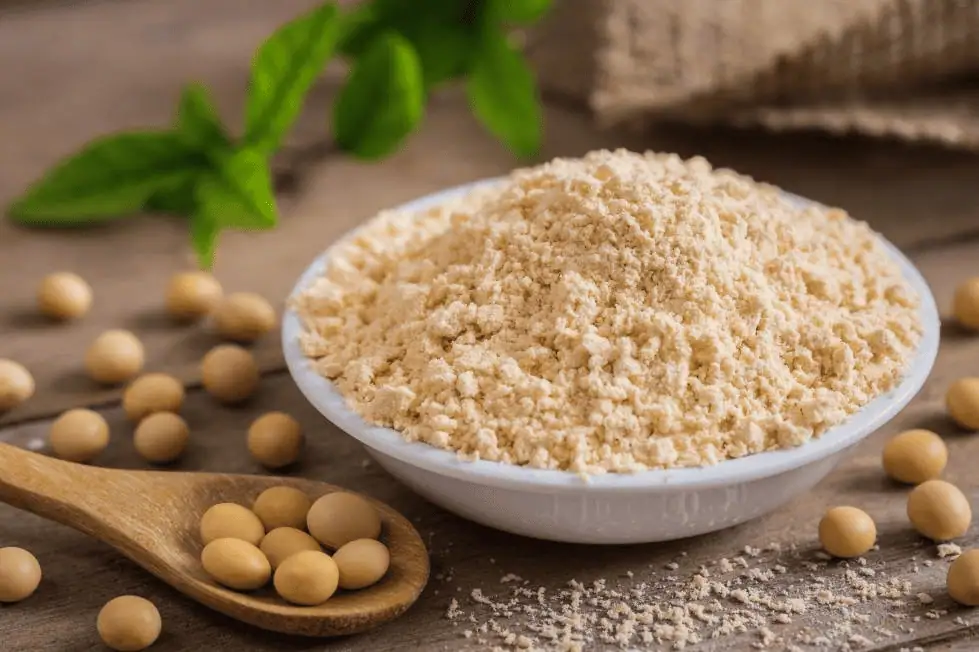
Powdered foods such as protein powder, spices, flour, or drink mixes are increasingly scrutinized at airport checkpoints. Large quantities often trigger additional screening and may lead to confiscation if officers can’t quickly assess the contents. While powders aren’t automatically banned, they raise security concerns due to their texture and appearance. Travelers are often surprised when everyday items cause delays or removal. Even permitted powders can be restricted based on volume or destination rules, making them a common source of disruption during screening despite seeming harmless.
