
Servers Admit these 5 orders make them Roll their Eyes
Servers develop a sharp radar early in a shift. Within the first few minutes, small behaviors can signal whether a table will be smooth or emotionally draining. These red flags aren’t about ordering mistakes or asking reasonable questions, but about tone, expectations, and how guests frame the interaction. Servers say these early cues often predict how communication, patience, and satisfaction will unfold. While none guarantee a bad experience, they tend to appear quickly and, once established, rarely improve as the meal continues.
Leading With “I’m in the Industry”

When a guest announces they’re “in the industry” during the first interaction, servers immediately take note. Sometimes it’s meant as a friendly rapport, but it often carries implied authority or heightened scrutiny. Servers say this comment can signal constant comparisons, nitpicking, or expectations for special treatment. Rather than creating solidarity, it often shifts the dynamic into quiet tension. The red flag isn’t shared experience; it’s the pressure that follows, where the guest positions themselves as both peer and critic from the start.
Asking “Is This Good?” About Everything

Asking for recommendations is normal, but repeatedly asking if every menu item is good raises concern. Servers say this behavior signals deep indecision and shifts full responsibility for satisfaction onto them. When no clear preferences are shared, the question becomes impossible to answer well. This red flag often leads to disappointment regardless of what’s ordered, because expectations stay vague. Servers notice that guests who ask this way are more likely to blame the server later if the meal doesn’t meet an undefined, shifting standard.
Talking Down to the Staff

Tone matters more than wording, and servers notice it immediately. Speaking slowly, dismissively, or with subtle condescension, even when making a reasonable reques,t signals a power imbalance that drains energy fast. Servers say this tone often shows up within the first interaction and rarely softens over time. Once it’s established, every exchange requires extra emotional labor. Instead of focusing on smooth service, the server shifts into self-monitoring mode, managing attitude as much as tasks. That early signal often defines the entire meal, turning hospitality into quiet emotional work rather than a shared, respectful experience.
Sending a Drink Back Immediately
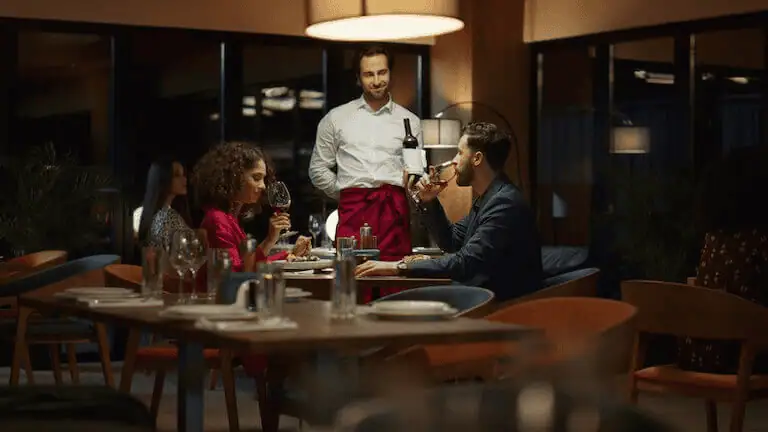
Sending an item back isn’t automatically an issue, but servers pay attention when a drink is returned after a single sip with little explanation. This behavior often appears early and signals heightened scrutiny. Servers say it frequently predicts more returns, more adjustments, and rising dissatisfaction as the meal continues. It suggests the guest may be searching for an ideal rather than enjoying what’s in front of them. The red flag isn’t the correction; it’s the pattern it hints at, where nothing quite meets expectations, and pressure steadily builds throughout service.
Testing Boundaries Right Away

When guests immediately push limits asking for off-menu items, policy exceptions, or rushed service, servers take note. Early boundary testing often signals a need for control rather than simple curiosity. Servers say this behavior tends to escalate, leading to frustration when requests can’t be accommodated. Once the pattern starts, it shapes the entire interaction, with each “no” feeling more charged than the last. The red flag isn’t creativity; it’s the expectation that rules are flexible for one table, creating tension that lingers for the rest of the meal. It’s about pressure building while the rest of the dining room continues to move.
