
If You’re a Picky Eater, Servers Say Don’t Order These 7 Foods
This list isn’t about “bad” or “wrong” food. Servers consistently say these dishes cause regret for picky eaters because they require a level of trust, adaptability, or tolerance for surprise that many diners don’t realize until it’s too late. On the menu, they sound familiar, safe, or even comforting. On the plate, they often introduce unexpected textures, flavors, or combinations that can’t be adjusted once served. If you prefer predictability, clear separation, and control over what you’re eating, these are the seven foods servers quietly recommend skipping to avoid an uncomfortable or disappointing meal.
Chef’s Choice or Chef’s Tasting Items

Anything labeled “chef’s choice” or “tasting” removes control completely, which is exactly what makes it risky for food-sensitive eaters. Servers say picky eaters often order these hoping the dish will land somewhere familiar, then feel trapped when unexpected ingredients, textures, or techniques arrive. These items aren’t designed to accommodate preference or predictability; they’re meant to showcase creativity and surprise. Once the plate hits the table, there’s little room to adjust, making the experience stressful rather than enjoyable for anyone who relies on knowing what’s coming.
Burgers With Long Modification Lists

Burgers seem like a safe default, but heavy modification is where disappointment usually starts. Servers notice that removing sauces, changing cheeses, altering doneness, and swapping toppings often creates a final product that doesn’t match what the guest imagined. Even when the kitchen follows instructions exactly, the balance changes. Texture, moisture, and flavor can all shift in ways that feel “wrong.” What started as a comfort order turns into frustration, not because of mistakes, but because the original design of the dish was dismantled.
Pasta With “House Sauce”
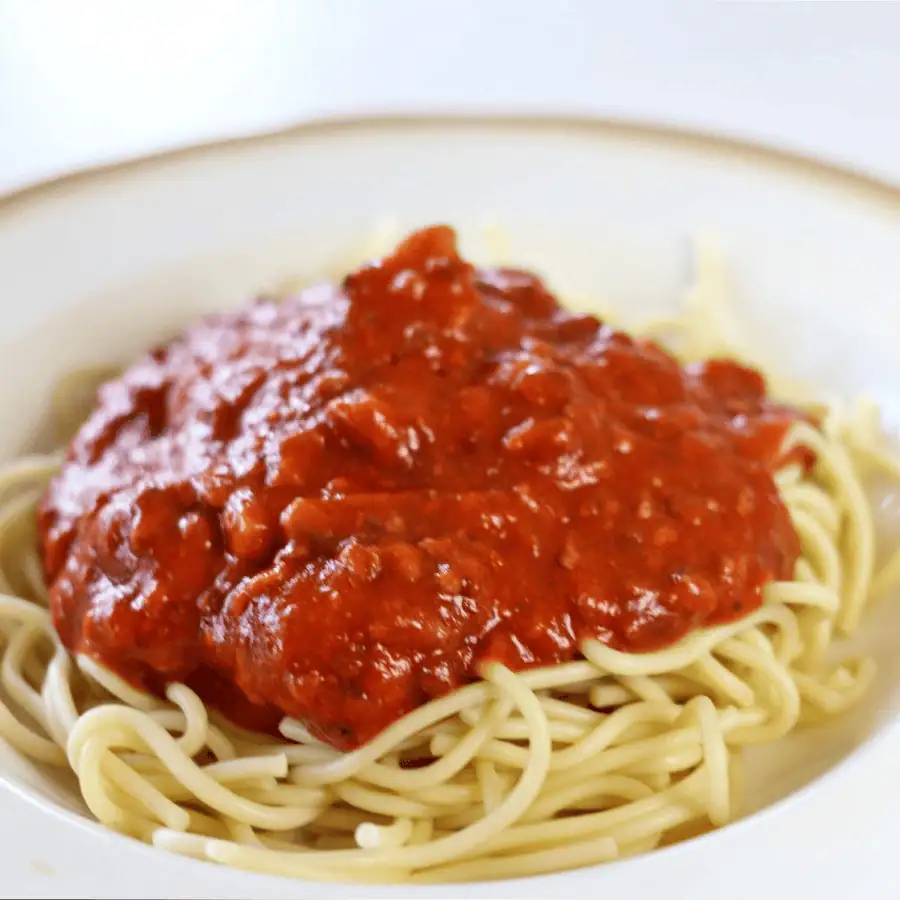
House sauces sound reassuring, but they’re rarely simple. Servers know these sauces often include wine reductions, anchovies, strong cheeses, herbs, or spice blends that aren’t fully listed on the menu. Picky eaters expecting plain cream or straightforward tomato frequently regret the order once the depth of flavor hits. The sauce may be well-made, but complexity itself can be overwhelming. For sensitive eaters, vague descriptions signal unpredictability, making “house sauce” one of the most common quiet regrets.
Mixed-Protein or Combo Dishes
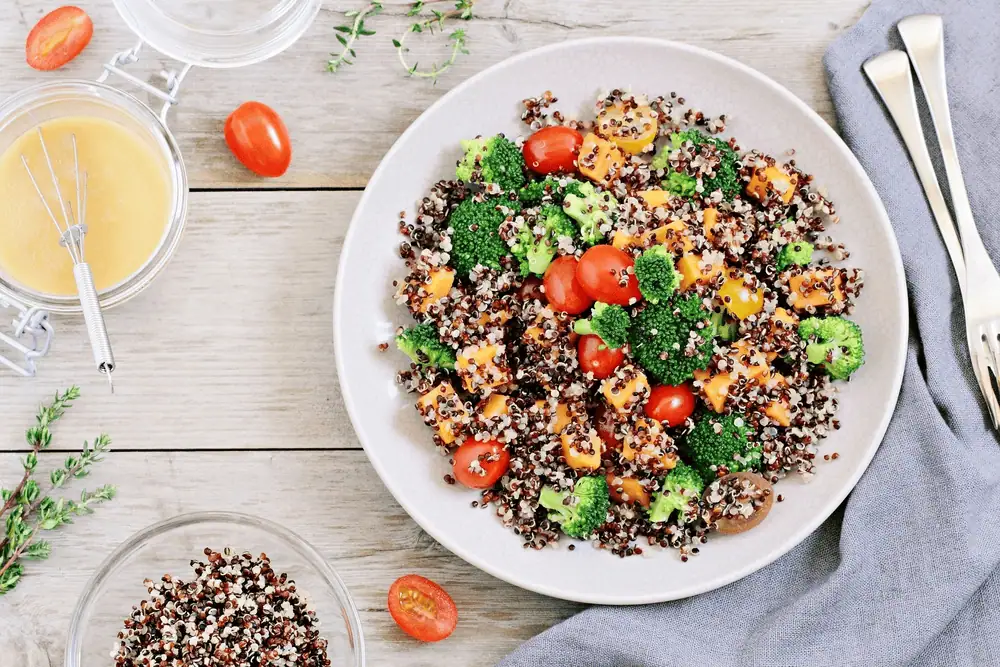
Dishes that combine chicken, shrimp, sausage, or multiple meats require comfort with mixed textures and flavors in the same bite. Servers say picky eaters often struggle when one element feels off but can’t be separated or adjusted. Even if most of the dish is acceptable, a single unexpected texture can dominate the experience. The food itself isn’t wrong or poorly made, it’s simply inflexible once plated, which makes combo dishes risky for anyone who relies on predictability to feel comfortable eating.
Tasting Platters or Sampler Boards

Sampler boards look like a safe way to explore the menu, but they demand the flexibility that picky eaters often don’t have. Portions, sauces, doneness, and textures are all pre-determined, leaving no room to customize or simplify. Servers frequently notice picky eaters enjoying one item while avoiding the rest, which leads to frustration rather than satisfaction. What’s meant to reduce risk can actually increase it, because the lack of control makes the entire plate feel unpredictable instead of reassuring.
“Loaded” Versions of Familiar Foods

Loaded fries, loaded mac and cheese, or fully dressed nachos often overwhelm picky eaters despite starting with familiar bases. Once sauces, toppings, and textures are piled on, there’s no way to undo the complexity. Servers say these dishes cause regret because what sounded comforting turns chaotic on the plate. The issue isn’t flavor quality, it’s sensory overload. When everything is mixed, there’s no option to simplify, adjust, or eat around what feels uncomfortable.
Rare or Soft-Cooked Proteins
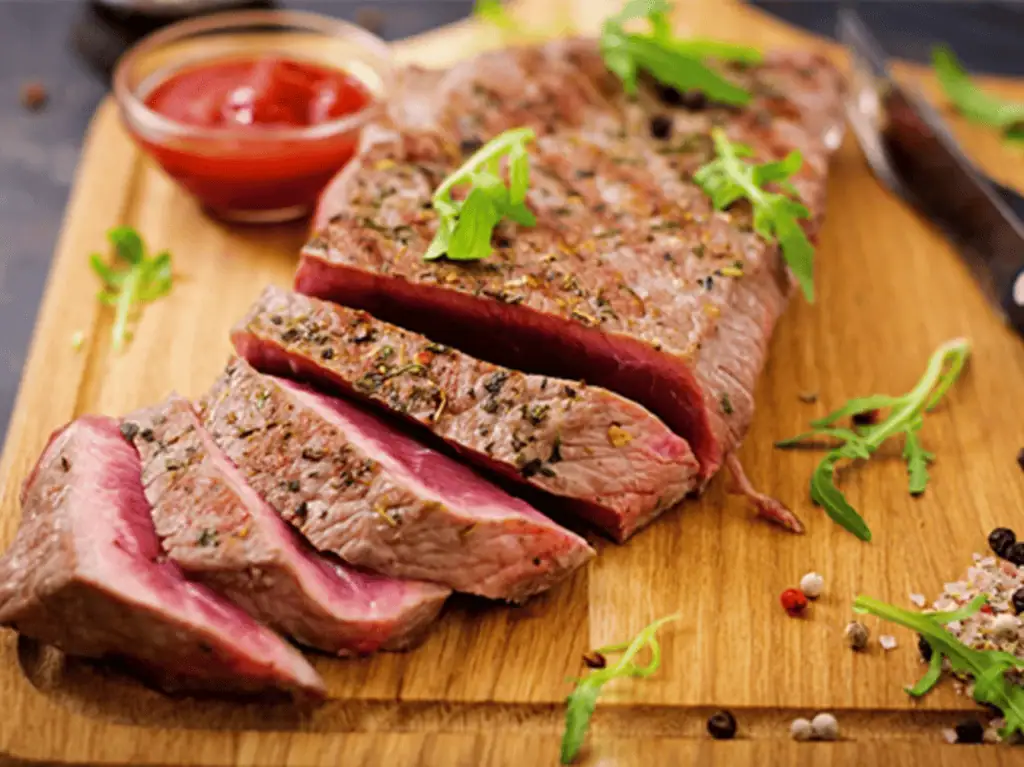
Proteins served rare, soft-cooked, or raw, like rare steak, soft eggs, or sushi, aren’t unsafe, but they require tolerance for specific textures. Servers often see picky eaters underestimate how different these feel compared to fully cooked versions. The reaction is immediate and physical rather than logical. Even when flavor is mild, the texture alone can trigger discomfort. These dishes demand sensory flexibility, which makes them a common regret for diners who prefer firmness and predictability.
