
10 Foods Americans Love to Hate But Can’t Stop Eating
Some foods live in a permanent contradiction. Americans complain about them online, warn others about their health effects, and promise to cut them out, yet keep eating them anyway. These foods survive criticism because they aren’t just about taste; they’re tied to routine, convenience, emotion, and memory. People may publicly distance themselves from these items, but privately rely on them when tired, stressed, busy, or nostalgic. Love and hate coexist, making these foods impossible to truly quit.
Fast-Food Burgers

Fast-food burgers are frequently criticized for being overly processed, unhealthy, and mass-produced; yet, they remain a go-to meal for millions. People often say they’re “done” with fast food, but still pull into drive-thrus when time is short. The predictable flavor, speed, and affordability make these burgers reliable even for critics. While mocked for lacking quality, they effectively address hunger. Americans may complain loudly about fast-food burgers, but convenience keeps them firmly in rotation.
Frozen Pizza

Frozen pizza is frequently dismissed as inferior to restaurant or homemade versions, yet it dominates American freezers. Shoppers complain about thin crusts, artificial toppings, and uneven baking, but still buy it for reliability. It requires no planning, minimal cleanup, and satisfies multiple people at once. Frozen pizza survives criticism because it removes decision-making on busy nights. Even those who claim to dislike it keep a box on hand “just in case.”
Hot Dogs

Hot dogs are frequently criticized for being highly processed and nutritionally questionable, yet they remain deeply embedded in American food culture. Many people claim they don’t truly like hot dogs, but still eat them at cookouts, sporting events, and quick family meals. Their soft texture, familiarity, and strong sense of nostalgia often outweigh health concerns. Hot dogs persist because they’re tied to shared social rituals rather than individual preference. Even when mocked, they’re rarely refused when offered, showing how tradition and context sustain their appeal.
Sugary Breakfast Cereals

Sugary cereals are frequently blamed for energy crashes, excessive sugar, and weak nutrition, particularly when it comes to children. Parents criticize them openly, and many adults claim they’ve outgrown them altogether. Yet those same cereal boxes continue to disappear from store shelves. The combination of crunch, sweetness, and nostalgia remains powerful. Even outspoken critics often return to sugary cereal during rushed mornings or late-night snacking. Familiarity and comfort frequently outweigh nutritional ideals, keeping these products relevant despite ongoing criticism.
Microwave Popcorn

Microwave popcorn is often criticized for artificial flavorings, excessive sodium, and uneven popping that leaves behind half-popped kernels or greasy residue. Despite these complaints, it remains a staple for movie nights and quick snacking. The appeal goes beyond taste alone. The sound of popping, the smell filling the room, and the familiar ritual all contribute to its draw. Popcorn functions as an experience as much as a food, and that emotional attachment keeps it popular even among people who openly point out its flaws.
Boxed Mac and Cheese

Boxed mac and cheese is frequently mocked for being overly processed and inferior to homemade versions. Many people insist they prefer “real” mac and cheese, yet still find themselves craving the boxed variety. Its specific texture, bright color, and unmistakable flavor trigger comfort and nostalgia in ways homemade dishes often don’t replicate. It’s quick to prepare, affordable, and emotionally familiar. Criticism never fully overpowers that emotional pull, which helps explain why boxed mac and cheese remains relevant and widely eaten across generations.
Candy Bars

Candy bars are often criticized as empty calories and classic impulse purchases, yet they remain fixtures at checkout lines across the country. Many people say they plan to cut back on sugar, but still reach for one “just this once.” The single-serve format makes indulgence feel contained and low-risk, rather than excessive. Candy bars offer immediate gratification without commitment, preparation, or leftovers. Their simplicity, familiarity, and constant availability make them difficult to resist, even for consumers who openly question or criticize sugary foods.
French Fries

French fries occupy a conflicted place in American food culture, both celebrated and blamed at the same time. They’re criticized for being greasy, addictive, and nutritionally empty, yet their popularity rarely fades. Even health-conscious diners often make exceptions, ordering fries “just this time.” The combination of salt, crunch, and soft interior is deeply satisfying and hard to replace. Fries persist because they elevate nearly any meal, making restraint feel less like discipline and more like an unnecessary sacrifice.
Soda
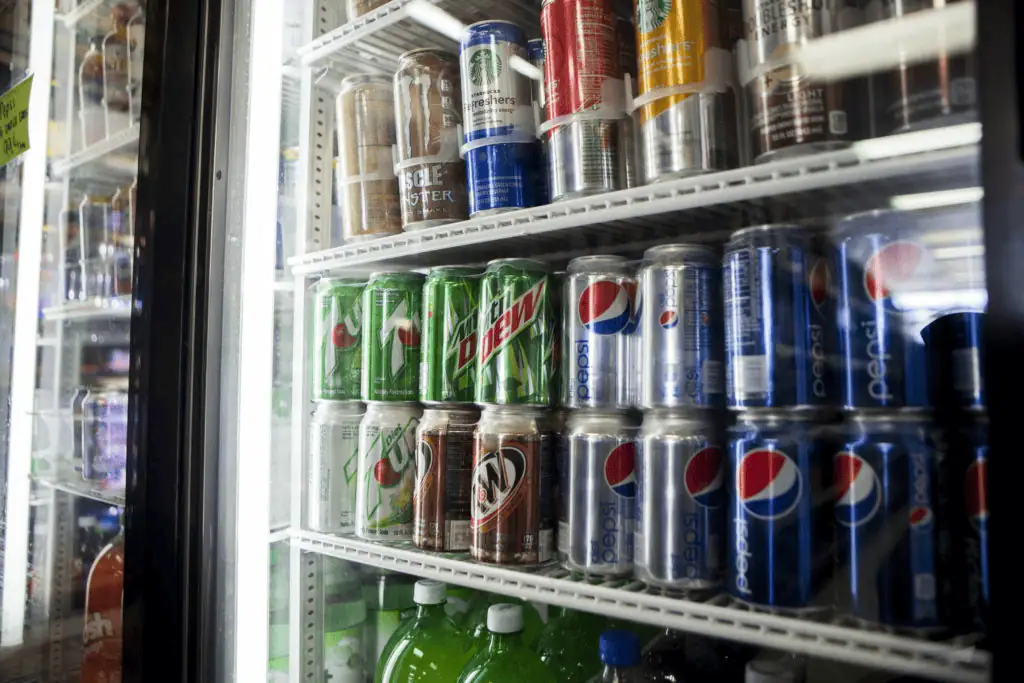
Soda is one of the most openly criticized foods in America, frequently blamed for excess sugar intake and long-term health concerns. Many people claim they are trying to quit or cut back, yet overall consumption remains surprisingly steady. The combination of carbonation, sweetness, and caffeine creates a powerful habit loop that goes beyond taste alone. Soda is woven into routines, comfort moments, and social settings. Even outspoken critics often return to it during stress, fatigue, or familiarity-driven moments, showing how difficult it is to fully let go.
Packaged Snack Cakes
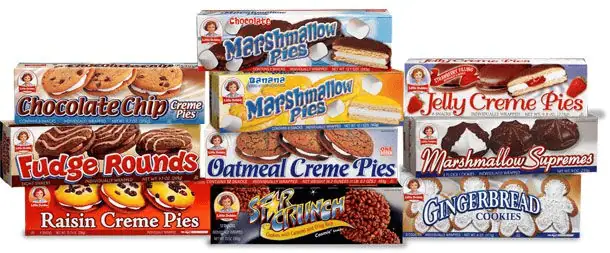
Snack cakes are often criticized as artificial, overly sweet, and nutritionally empty, frequently dismissed as “fake food.” Despite that reputation, many people continue to buy them for nostalgia, convenience, or emotional comfort. Their long shelf life and perfectly predictable taste make them feel reliable during stressful or busy moments. Snack cakes persist not because they’re respected, but because emotional satisfaction outweighs rational criticism. They offer familiarity and reassurance, which helps explain why, even as eating habits evolve, these products remain difficult to fully abandon.
