
Starbucks Is Closing Hundreds of Stores, Here’s Where & why
Starbucks is reducing its global footprint by closing hundreds of stores. This decision is driven by evolving market demands and a strategic aim to enhance customer experience. Understanding the factors influencing this plan provides insight into the changing landscape of retail operations within the coffee giant. As Starbucks navigates these transformations, the implications for employees and financial logistics become focal points in assessing the overall impact.
What’s Behind the Starbucks Plan?

The primary drivers behind Starbucks’ restructuring include the shift towards digital and delivery services, impacted by consumer behavior changes accelerated by the pandemic. By optimizing store locations, Starbucks aims to focus on faster service and enhanced engagement, leveraging their app and delivery partnerships. This shift reflects a broader industry trend towards more flexible and efficient operational models to better meet customer needs.
Pinpointing Target Locations
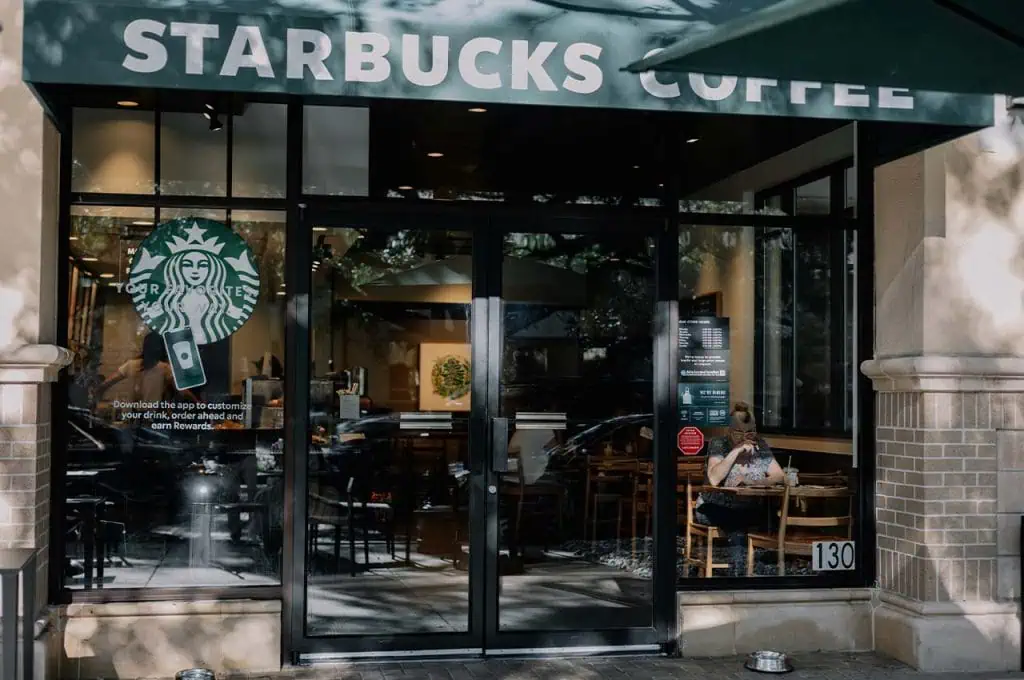
Starbucks is carefully selecting stores for closure based on several factors, including underperformance and proximity to other locations. Urban areas with high density and foot traffic are predominant targets where the market can be oversaturated. By consolidating resources to better-performing locations, Starbucks hopes to streamline operations, ensuring that each store maintains high standards of service and profitability.
Impact on Employees
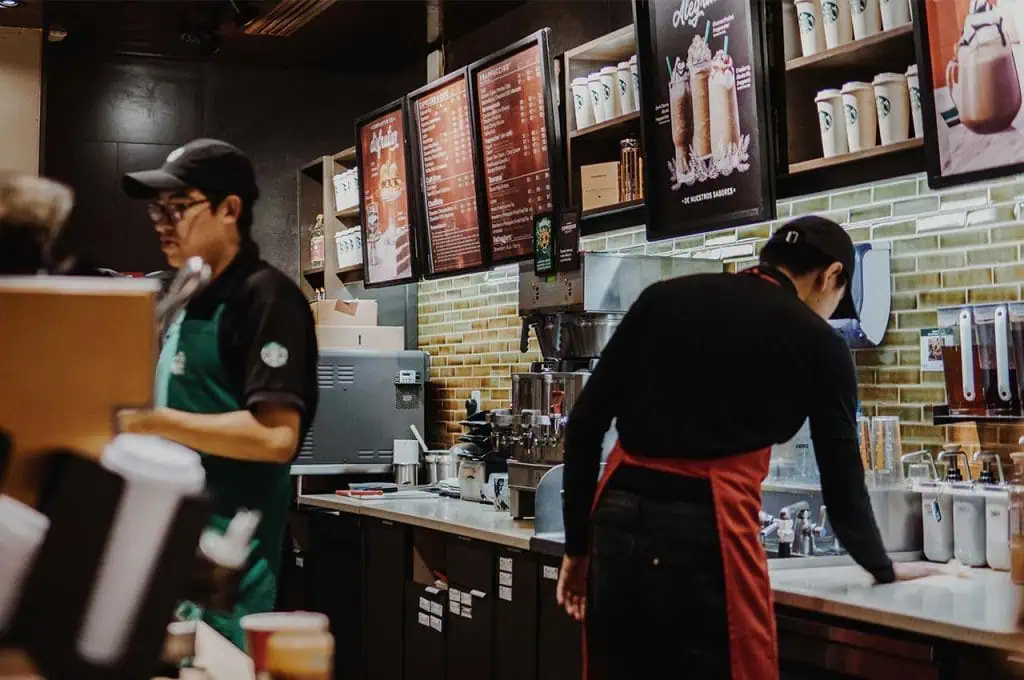
Store closures inevitably affect employees, presenting challenges such as job displacement. Starbucks has committed to supporting staff through this transition, offering opportunities at nearby locations or providing severance packages where appropriate. This effort highlights the company’s focus on community and staff welfare during transformations, although the broader impact on job availability remains a concern for many affected workers.
Financial Costs of Store Closures

The financial implications of closing stores are significant, involving expenses like lease termination and relocation costs. However, Starbucks anticipates that streamlining its operations will lead to long-term savings and a stronger balance sheet. By focusing investments on innovations and high-demand markets, the company aims to maintain its profitability amidst evolving consumer behaviors, ensuring sustainable growth in line with its strategic objectives.
Investing in the Future
Starbucks is strategically closing hundreds of its locations as part of a forward-thinking initiative aimed at future growth and adaptation. This decision allows them to redirect resources towards more promising ventures, such as drive-thru models and mobile ordering. By leveraging technology and focusing on locations with high foot traffic, Starbucks is aligning its operations with contemporary consumer preferences, ensuring that their business is resilient and poised to meet the evolving demands of a digital and convenience-oriented market.
Enhancing Customer Experience

The closures are also a part of Starbucks’ effort to enhance customer experience by optimizing store formats that offer more personalized and efficient service. This shift includes expanding their presence in urban areas where smaller, more focused stores can provide a quicker, more seamless interaction. Additionally, these changes are set to bolster community engagement, as Starbucks plans to invest in diverse store concepts that cater to local needs. By re-imagining their approach, Starbucks aims to deliver a more agile and satisfying customer journey.
