
7 Ways You’re Overpaying for Steak Without Realizing It
Steak is often treated as a special-occasion purchase, which makes it easier to overlook small pricing differences. But subtle choices at the grocery store or butcher counter can significantly inflate the final cost. From paying for unnecessary labels to choosing cuts that don’t match your cooking method, overpaying for steak often comes down to information gaps rather than quality. Understanding how pricing works and what actually affects flavor can help you spend more strategically without sacrificing satisfaction.
Paying Extra for “Premium” Labels
Terms like “prime,” “natural,” or “heritage” often suggest superior quality, but they can also significantly increase price. While USDA Prime grading reflects higher marbling and tenderness standards, other descriptive labels may serve more as marketing language than as measurable improvements. In many cases, a well-selected USDA Choice cut with visible marbling performs nearly as well when cooked properly. Relying solely on packaging claims can lead to unnecessary spending. Examining the meat directly looking for even fat distribution and color, often provides better guidance than branding alone, helping shoppers balance quality with value.
Buying Pre-Cut or Pre-Seasoned Steaks
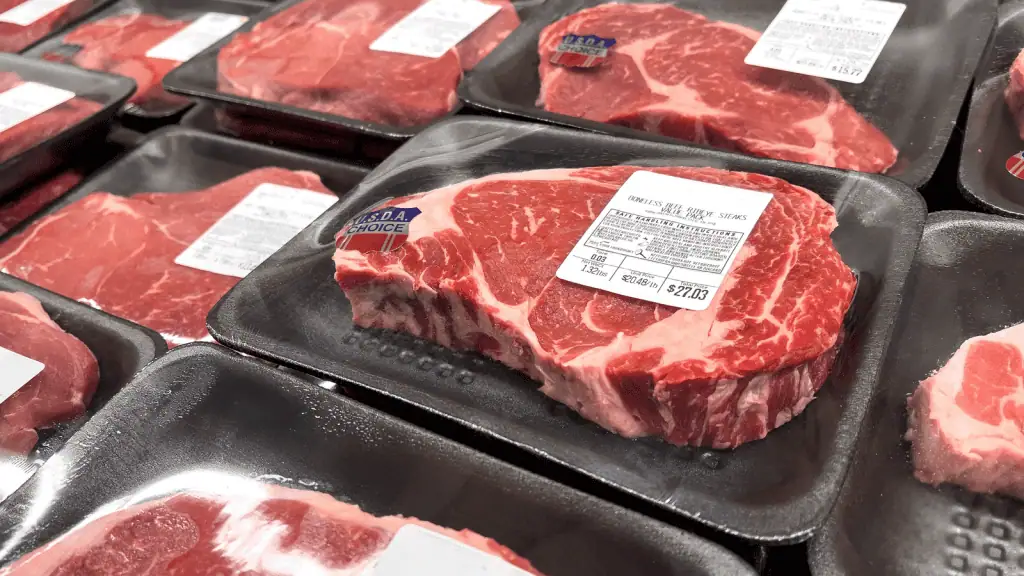
Pre-trimmed, pre-seasoned, or pre-marinated steaks typically come with noticeable markups for added convenience. While these options save preparation time, they rarely improve the meat’s underlying quality. Heavy seasoning or marinades can also mask freshness and make it harder to evaluate texture and color. Purchasing whole cuts and trimming or seasoning them at home usually reduces cost per pound and offers more control over flavor. Over time, paying repeated convenience premiums adds up. Simple at-home preparation can maintain quality while keeping grocery spending more consistent.
Choosing the Wrong Cut for Your Cooking Method

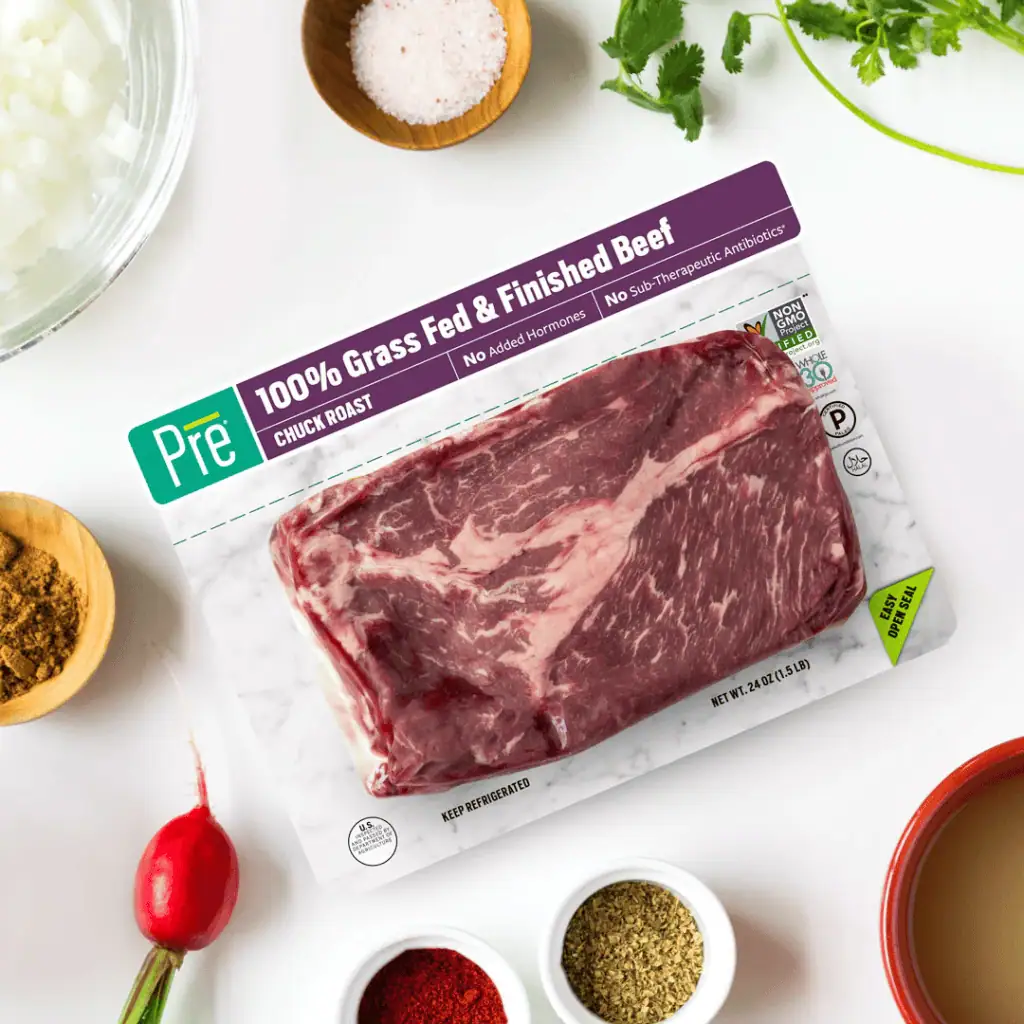
Different steak cuts are priced according to tenderness and ideal cooking style. Purchasing a tenderloin for slow braising, for example, wastes both its delicate texture and the higher price paid for it. Meanwhile, more affordable cuts like flank, skirt, or chuck can deliver excellent results when matched with the proper technique. Slow cooking transforms tougher cuts, while quick, high-heat methods suit naturally tender ones. Understanding how the preparation method affects texture allows shoppers to choose cost-effective options that still perform beautifully. Aligning the cut with the cooking method prevents overspending without sacrificing flavor or satisfaction.
Ignoring Weight and Thickness
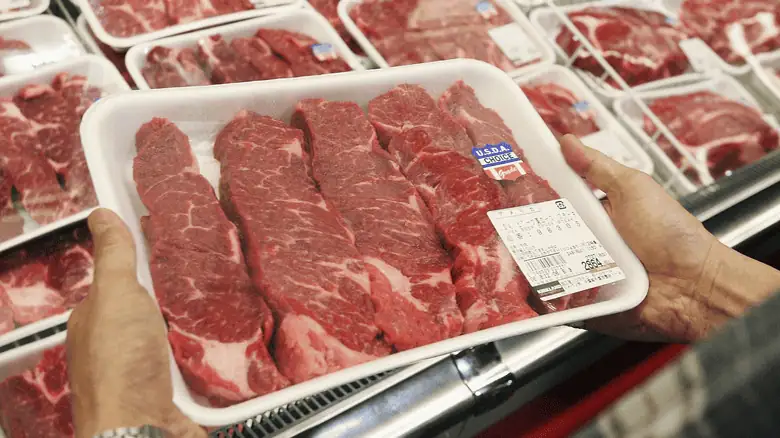
Thin-cut steaks may look less expensive at first glance because the total package price appears lower. However, they often cost more per pound than thicker cuts and cook much faster, increasing the risk of overcooking and dryness. Thicker steaks tend to retain moisture better and offer more flexibility in achieving desired doneness. Purchasing a thicker portion and slicing after cooking can stretch servings more effectively. Always checking the price per pound rather than focusing solely on the sticker total provides a clearer comparison and helps ensure better overall value.
Shopping Without Comparing Per-Pound Prices
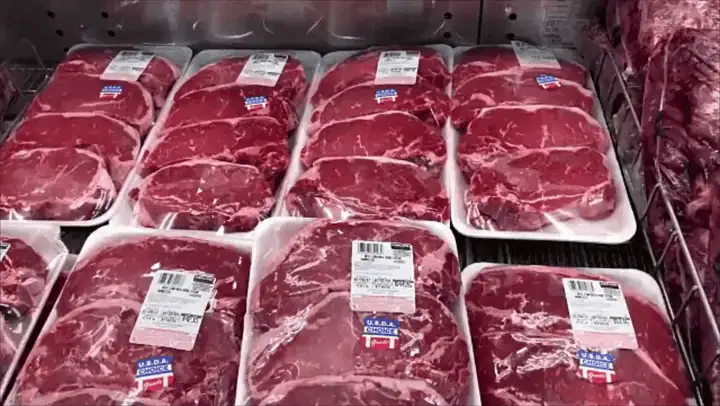
Bulk packaging can create the illusion of savings, but a larger size doesn’t automatically mean better value. Some family-size steak packs are priced very close to smaller portions when you calculate the cost per pound. Stores may rely on visual volume to suggest a deal, knowing shoppers often focus on the total package price instead of unit cost. Carefully comparing per-pound pricing across cuts and package sizes can reveal inconsistencies that aren’t obvious at first glance. Reading labels closely helps prevent subtle overpayment and ensures that “bigger” truly translates into better value.
Overlooking Sales Cycles
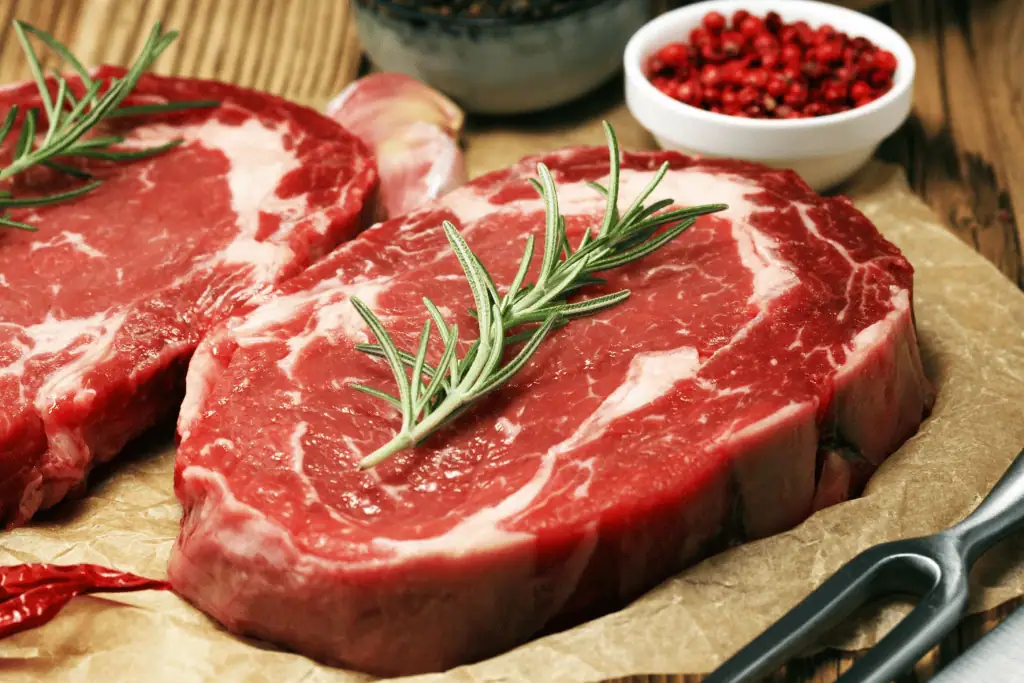
Steak prices often fluctuate around predictable seasonal demand patterns. Holidays, summer grilling weekends, and major sporting events can push prices higher due to increased demand. Purchasing during these peak periods may mean paying more than necessary for the same cut. Many grocery stores rotate meat promotions on a regular cycle, offering significant discounts during slower weeks. Planning steak meals around advertised sales can reduce costs noticeably over time. Properly wrapping and freezing cuts bought on promotion also allows shoppers to stock up without sacrificing quality or freshness.
Paying Restaurant Markups at Home
Some specialty grocery counters price certain cuts in ways that resemble restaurant menus, especially visually dramatic options like tomahawk ribeyes. While these steaks can look impressive, much of the premium reflects presentation rather than meaningful flavor differences. A standard ribeye without the extended bone often delivers nearly identical tenderness and taste at a lower cost per pound. Recognizing which features are aesthetic rather than functional helps shoppers avoid paying extra for visual appeal. Understanding this distinction allows for smarter purchasing decisions without compromising eating quality.
