
10 Frugal food habits from the past decades You’re Ignoring That Could Be Saving You Hundreds
Before the rise of convenience foods and the prevalence of dining out, frugality influenced how people cooked every day. Past generations developed food habits out of necessity, not trends, focusing on efficiency, reuse, and making the most of limited resources. These habits weren’t restrictive; they were practical systems that reduced waste and kept households fed on tight budgets. As grocery costs rise again, many of these forgotten strategies feel surprisingly relevant. Revisiting them isn’t about nostalgia, but about rediscovering smarter ways to cook, eat, and plan.
Cooking Once, Eating in Phases

Instead of treating leftovers as an afterthought, many households planned meals in deliberate stages. A roast wasn’t just dinner for one night, but the starting point of a sequence. It appeared hot and whole first, then sliced into sandwiches, and later simmered into soup, gravy, or stew. Each version had a clear role in the week and felt intentional, not recycled. This system saved fuel, time, and money while quietly reducing waste. Modern cooking often resets every day; earlier kitchens moved forward with purpose, letting one meal quietly fund several more.
Using Every Part Because It Was Normal

Earlier kitchens operated on the assumption that ingredients were meant to be fully used. Vegetable scraps went into stock pots, stale bread became crumbs or puddings, and bones were simmered until they gave up their last bit of flavor. This wasn’t framed as thrift or sustainability; it was simply how food was handled. Throwing usable food away meant wasting money and effort. Today, many kitchens discard scraps without thought. Reviving this habit isn’t about restriction, but about returning to a mindset where ingredients were respected and exhausted before anything new was bought.
Planning Meals Around What Was Already There

Rather than shopping for specific recipes, families once cooked from inventory. Pantry shelves, freezers, and cupboards dictated meals, not inspiration boards or weekly food trends. A quick look at what was on hand shaped dinner decisions and kept spending predictable. This approach minimized waste and reduced unnecessary shopping trips. Today, meal planning often starts with new ideas that require new purchases, even when food is already available. Cooking from what exists first restores flexibility and turns stored food into an active system rather than forgotten backup.
Stretching Protein Without Hiding It

Meat was treated as an ingredient, not a centerpiece. Small portions were folded into stews, casseroles, and meatloaf alongside grains and vegetables, creating filling meals that fed many without excess. This wasn’t about disguising scarcity, but about balance. Protein added flavor and substance without dominating the plate. Modern meals often reverse this ratio, driving up grocery costs without adding satisfaction. Returning to protein-stretching habits offers a realistic way to reduce spending while keeping meals hearty, familiar, and nutritionally complete.
Baking as Routine, Not a Project
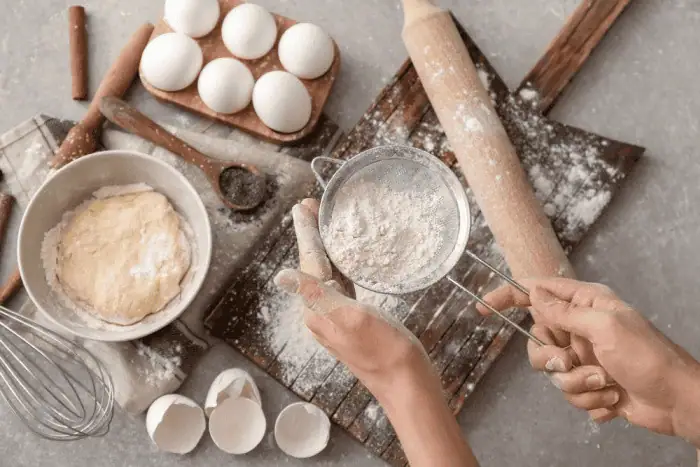
Baking used to be woven into weekly rhythms, not reserved for special occasions. Bread, simple cakes, and biscuits came from basic pantry staples and were made regularly without ceremony. Store-bought treats were occasional extras, not daily staples. This reduced spending and reliance on packaged foods while keeping households stocked with filling basics. Today, baking is often framed as time-intensive or optional. Reclaiming its everyday role lowers food costs, reduces packaging waste, and restores a quiet sense of food independence without requiring advanced skills.
Seasonal Eating Without Calling It That

Past generations ate seasonally by default. Produce followed harvest cycles because that’s what was affordable and available. Meals naturally shifted as ingredients appeared and disappeared throughout the year. Modern year-round availability has turned seasonal eating into a lifestyle choice rather than a necessity, often at a higher cost. Paying attention to what’s abundant again can quietly lower grocery bills while improving flavor. It doesn’t require strict rules or labels, just awareness of what’s naturally in season and priced accordingly.
Soup as a Weekly Anchor Meal

Soup wasn’t occasional comfort food; it was infrastructure. Small amounts of meat, vegetables, grains, and leftovers could be stretched into meals that fed an entire household. It reheated well, froze easily, and adapted to whatever was available. This made it especially valuable during busy weeks when time and energy were limited. Modern kitchens often overlook soup’s efficiency in favor of faster but costlier options. Bringing it back as a regular meal stretches groceries further while still offering warmth, balance, and familiarity.
Predictable Meal Rhythms

Many households relied on quiet repetition, cooking the same meals on the same nights each week. Certain dishes were tied to specific days, which removed the daily question of what to cook and reduced decision fatigue. Shopping became simpler and more intentional because ingredients were bought with a clear purpose. Predictability wasn’t boredom; it was efficiency. Today’s push for constant variety often leads to stress and wasted leftovers. Reintroducing gentle repetition turns consistency into a practical budgeting tool, making frugal eating easier to sustain without constant planning.
Restaurants as Events, Not Defaults

Dining out was once reserved for celebrations or meaningful occasions. Home cooking wasn’t a fallback option; it was the everyday standard. This naturally kept food budgets under control and reinforced basic cooking skills. Today, frequent takeout and delivery quietly inflate spending without much notice. Reframing restaurants as occasional treats restores intention around food choices and spending. It also makes dining out feel special again, while shifting everyday meals back to the home, where costs are lower and control is greater.
Preserving Food as Insurance

Canning, freezing, and drying weren’t hobbies but practical safeguards. Families bought produce when it was affordable, preserved it, and relied on it later. This helped stabilize food budgets and reduced the need for constant shopping. While modern storage tools make preservation easier than ever, the habit has faded from daily routines. Reviving it helps smooth grocery expenses across seasons, reduces impulse buying, and turns surplus food into long-term security rather than short-term clutter.
