
How People Use Rice in Different Cultures
Rice is one of those rare ingredients that quietly shapes the daily life of billions of people. It appears on breakfast tables, in lunch boxes, and at celebratory feasts across every continent. What makes rice so remarkable is not just its mild, adaptable flavor, but its extraordinary ability to carry the identity of a culture. Every region has its own way of preparing, seasoning, and sharing this humble grain, turning it into something far greater than a simple side dish.
In this guide, we will journey through the many faces of rice, from the steamed jasmine rice of Thailand and the delicate art of Japanese sushi rice to India’s fragrant biryani, China’s comforting congee, and the vibrant jollof rice of West Africa. We will also explore the beloved Creole dishes of the American South, the festive paella of the Mediterranean, and the exciting ways modern cooks are blending rice traditions from around the globe. As your guide, I want to help you appreciate the history and technique behind each style while inspiring you to try something new in your own kitchen. So grab a pot and let’s celebrate the world through rice.
Asia’s Staple: Rice as Daily Bread

In Asia, rice serves as a cornerstone of daily nourishment, akin to bread in the Western world. Whether it’s steamed jasmine rice in Thailand or sticky rice in Laos, the preparation of rice emphasizes simplicity and respect for the grain’s natural flavor. Mastering the absorption method, where water is perfectly measured and cooked until evaporated, ensures fluffy rice every time. It’s vital to rinse the grains thoroughly to remove excess starch, resulting in a separation of grains that enhances the dish’s texture and appeal.
Sushi and the Japanese Art of Rice

In Japan, rice reaches an art form with sushi, where balance between rice and filling is paramount. Sushi rice requires a precise blend of short-grain rice, rice vinegar, sugar, and salt, creating a subtle sweetness and aroma. The rice should be cooked to retain a slightly sticky texture, allowing it to form and hold shape without overwhelming the delicate flavors of the fish. Cooling the rice with a fan as you fold in the vinegar dressing is an essential technique that imparts shine and ideal consistency.
India’s Biryani and Spice of Celebration

India’s biryani stands as a testament to rice’s ability to absorb and accentuate bold spices. Using basmati rice, known for its long grains and aromatic fragrance, biryani incorporates layers of marinated meats, caramelized onions, and a blend of spices like cumin, saffron, and cardamom. Slow cooking in a sealed pot, or ‘dum,’ allows flavors to meld into a sumptuous, fragrant dish. Parboiling the rice to a perfect al dente before layering ensures a tender yet distinct grain in the final presentation.
China’s Congee: Comfort in a Bowl

Congee, or rice porridge, is a beloved comfort food across China, adaptable to any meal of the day. Prepared by simmering rice with a large volume of water or broth until broken down and creamy, its soothing texture offers a comforting base for an array of toppings. Slow cooking is key, drawing out the starches for a silky consistency. Common additions such as sliced ginger, pickled vegetables, or shredded chicken infuse the congee with layers of flavor, making it both nourishing and heartwarming.
Latin America’s Arroz Traditions

Latin American cuisine often elevates rice to a comforting staple through its many “arroz” preparations. Arroz con pollo, a popular dish throughout the region, combines the fluffy texture of seasoned rice with tender chicken, enriched by a soffritto of peppers, onions, and garlic. The key is using medium-grain rice, which absorbs flavors without becoming mushy. Saffron or annatto may be added for color and aroma. For a perfect finish, let the dish rest covered for a few minutes after cooking, allowing the flavors to meld thoroughly.
The American South’s Creole Rice Dishes

Creole rice dishes from the American South are rich in flavor and tradition, showcasing ingredients like andouille sausage and shrimp. Jambalaya exemplifies this, blending rice with the ‘holy trinity’ of Creole cooking: onions, bell peppers, and celery. Use long-grain rice for its structure and absorbency. Incorporate Creole seasoning for a deep, spicy kick, and finish with fresh herbs like parsley or scallions for balance. Stir occasionally to avoid sticking, ensuring that each grain remains distinct and flavorful.
Middle Eastern Pilafs and Hospitality

Middle Eastern pilafs are known for their aromatic and hospitable nature, often served at significant gatherings. Basmati or jasmine rice is preferred for its fragrant quality. Sautéing the rice in oil with spices like cardamom, cinnamon, and cumin releases essential oils, enhancing the dish’s complexity. Typically, nuts and dried fruits such as almonds and raisins are added, providing a textural contrast and sweetness. Pilafs benefit from a steady simmer with a tight lid, ensuring each grain stays separate and fluffy.
African Jollof Rice and Communal Feasts

Jollof rice, a hallmark of West African cuisine, is vibrant in color and taste, often featuring tomatoes, peppers, and spices. The secret is slowly cooking the tomato paste until it caramelizes, imparting a deep, rich base. Long-grain parboiled rice holds its shape and absorbs the bold flavors excellently. This communal dish is suited for large gatherings, traditionally served with grilled meats or fish. Garnish with sliced onions or fried plantains for added texture and flavor, celebrating a shared meal tradition.
Mediterranean Paella and Festive Gatherings
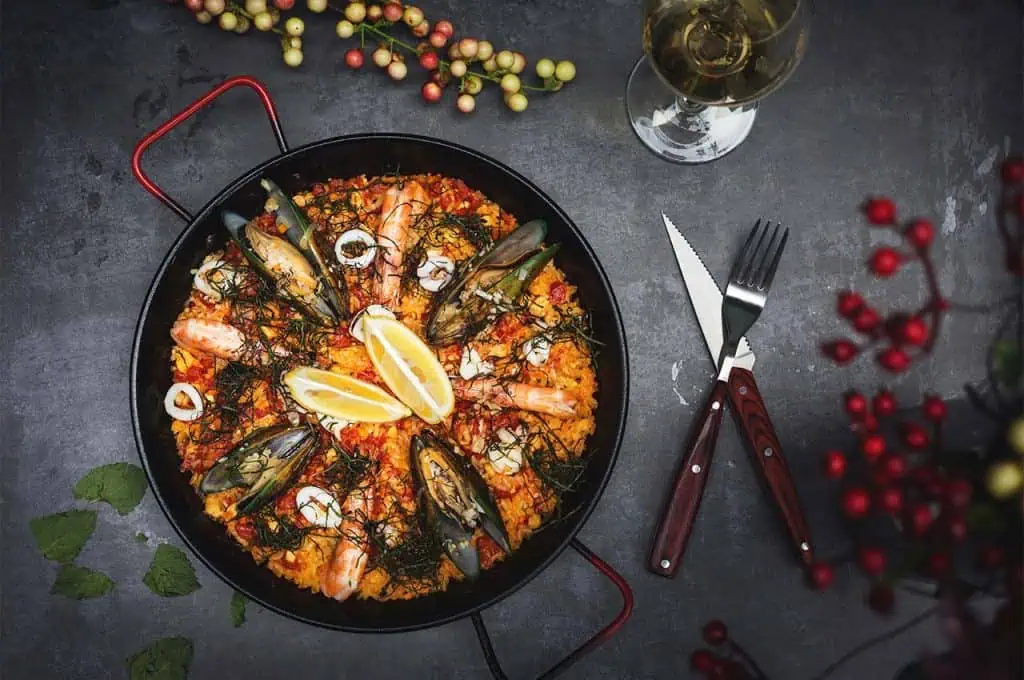
Paella, a symbol of Mediterranean festivity, balances the robustness of saffron and the freshness of seafood or meats. Short-grain rice like bomba is essential to achieve the desired texture; it absorbs flavors while forming the coveted “socarrat” crust at the bottom. Begin with a sofrito base, slowly cooked to deepen its sweetness. Gradually add broth and simmer without stirring, allowing the grains to cook evenly. A final rest under foil ensures the socarrat develops, and the dish reaches peak flavor.
Global Fusion: Rice in Modern Kitchens

In today’s culinary scene, rice transcends its traditional roots to play a key role in global fusion cuisine. Modern cooks experiment by incorporating aromatic jasmine rice in sushi burritos, a delightful twist adding floral notes to a Japanese classic wrapped in a Mexican favorite. For a savory yet bright dish, consider a lemon-infused Mediterranean pilaf using basmati. This elevates the nutty fragrance that basmati is revered for, marrying it with vibrant citrus and fresh herbs. Also, a creamy Thai coconut risotto transforms Italian comfort food into an exotic delight, enhancing the arborio rice’s texture with sweet coconut milk and a hint of lemongrass. Each iteration respects rice’s versatility while inviting culinary exploration, proving its place in any innovative kitchen.
